Energy-efficient upgrades & remodeling · Financing options may be available for qualifying homeowners
License #1072607

Fence installation in Northern California with gates that stay square

Metal, wood and vinyl fences set on posts sized for your wind and soil, plus a free on-site estimate.

About the service. Good fence installation starts below ground, where the posts carry the wind.

Wind pushes on a solid panel the way it pushes on a sail, so fence installation depends on posts that carry the load. For that reason, we set each post about one third of its length below grade and pour a concrete footing around it. Most fences that lean were set too shallow or sat in wet soil. Next, we string the line, set the panels level and hang gates on posts larger than the rest. Before any digging, we call 811 so buried utilities are marked. Afterward, we walk the fence with you and test every gate. Our hardscape team can plan a fence beside a new patio or wall.
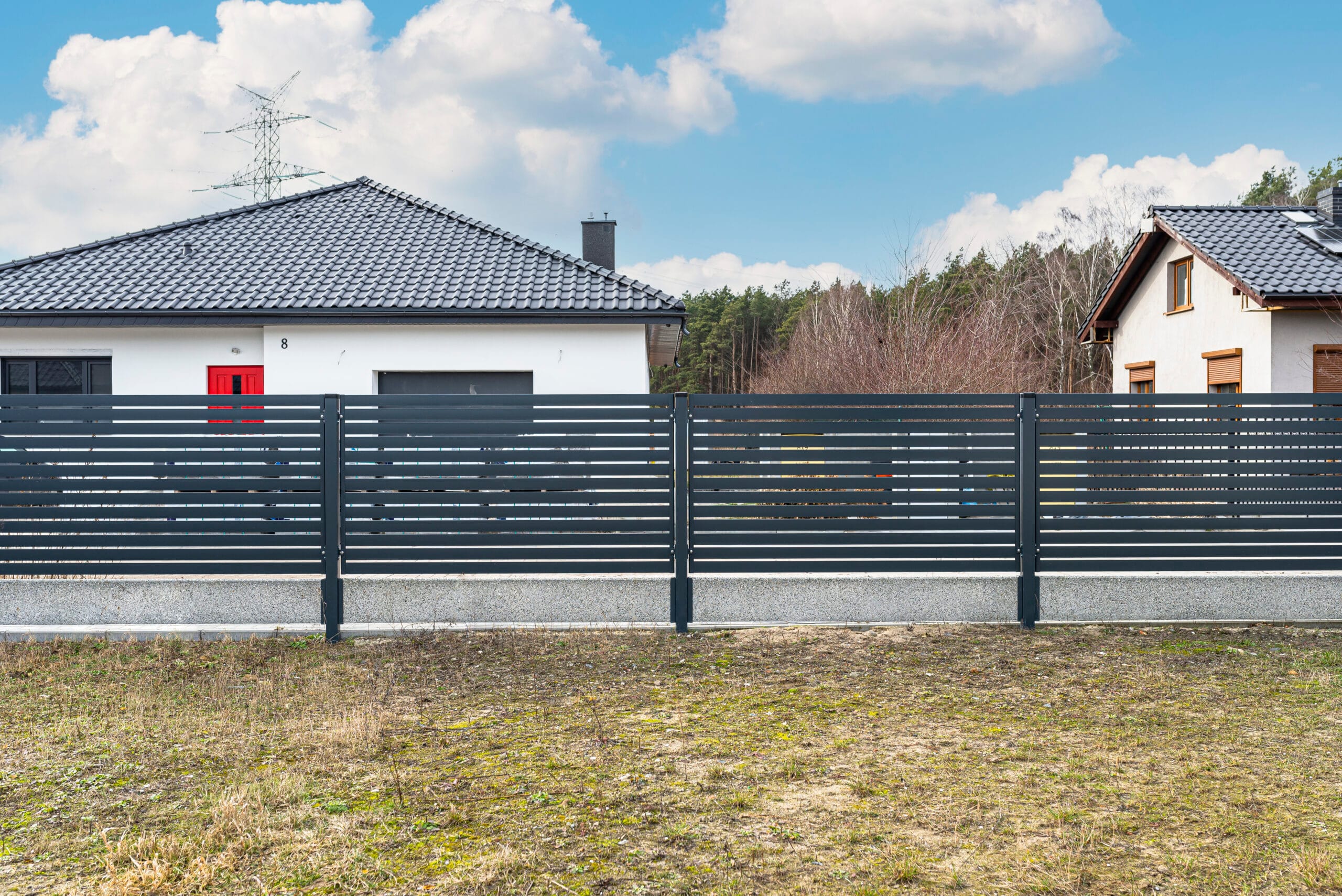
Black horizontal slat fence on a concrete base with a house behind

Why us. Why homeowners choose our fence installation crew.

Four things we do the same way on every fence.
01

Posts set deep and in concrete

A fence leans when its posts do. On an 8 foot post, about 32 inches sits underground. Our fence installation crew pours a footing wider than the post and checks plumb with a level before the concrete sets.
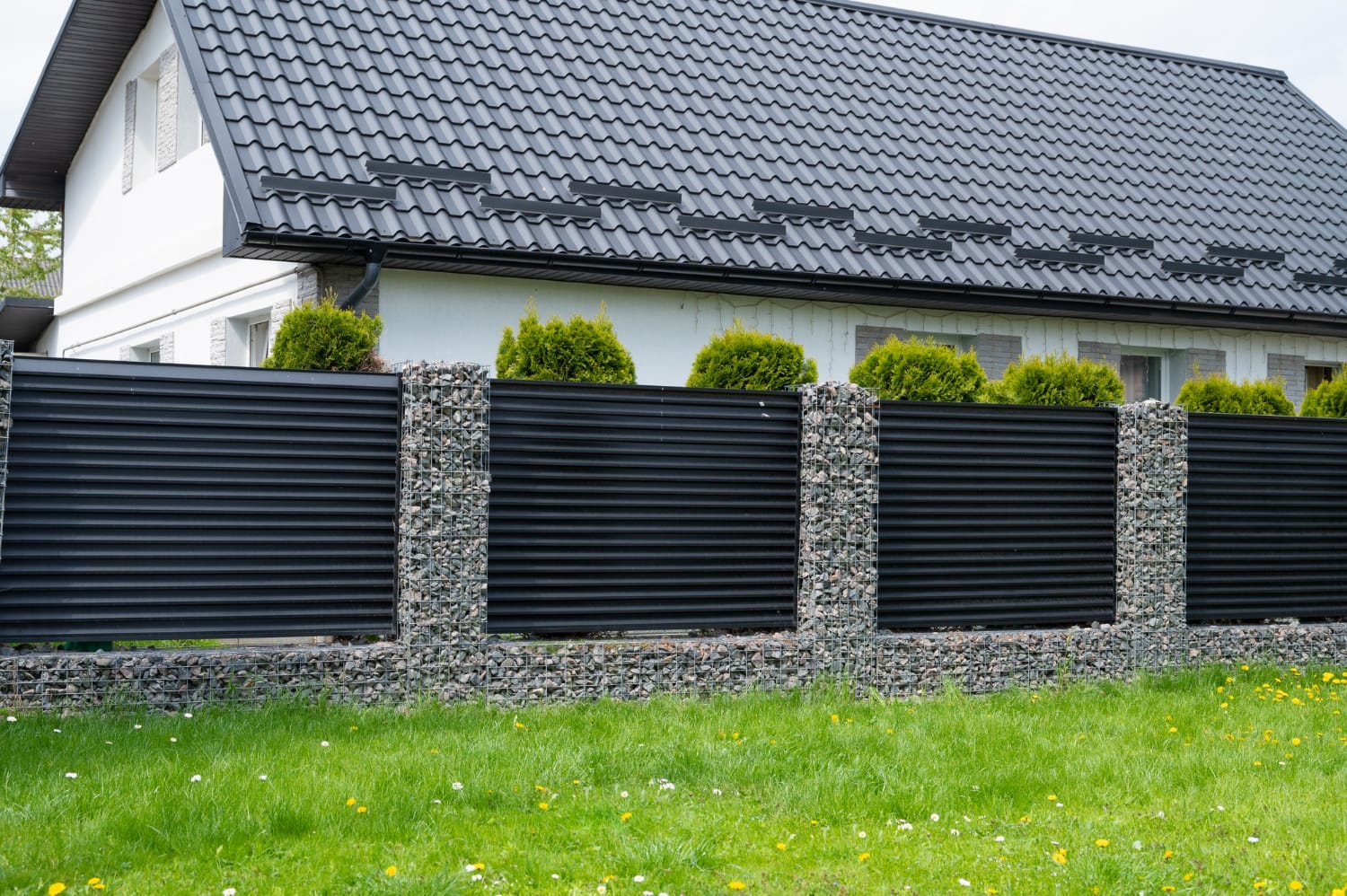
Dark metal panels between gabion stone piers with a house behind
02

Gates hung so they close without a drag

A 4 foot walk gate hangs its whole weight on one hinge post. We use a larger hinge post and a rigid leaf frame, so the gate stays square. Then we test the swing and latch before we leave.
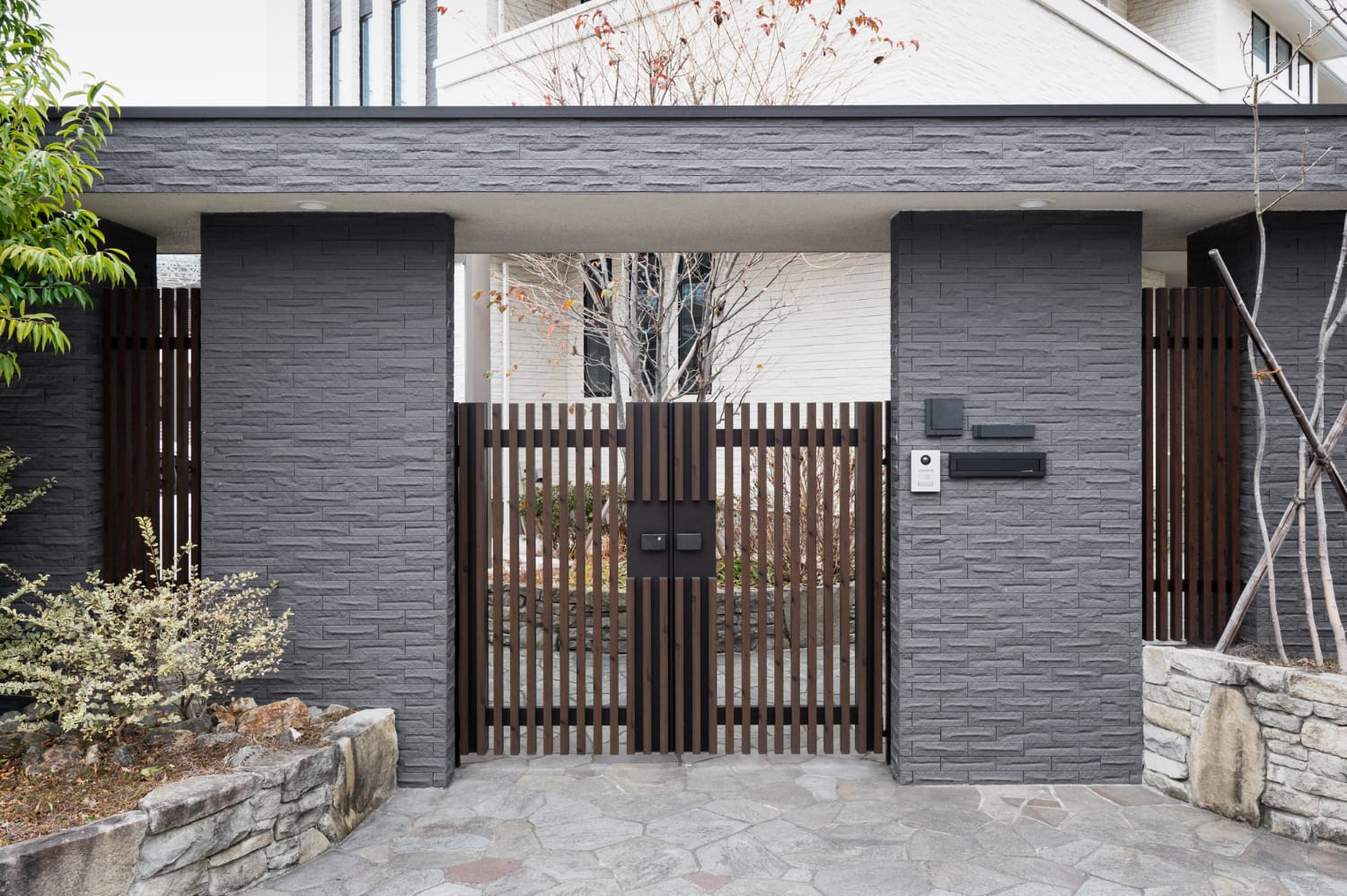
Wood slat gate between gray block pillars with stone paving
03

Line and utilities confirmed first

A fence in the wrong place is costly to move, so fence installation starts with the line. We confirm it with you and call 811 before we dig. Utility owners need about two working days to mark buried lines, and we plan the start date around that.
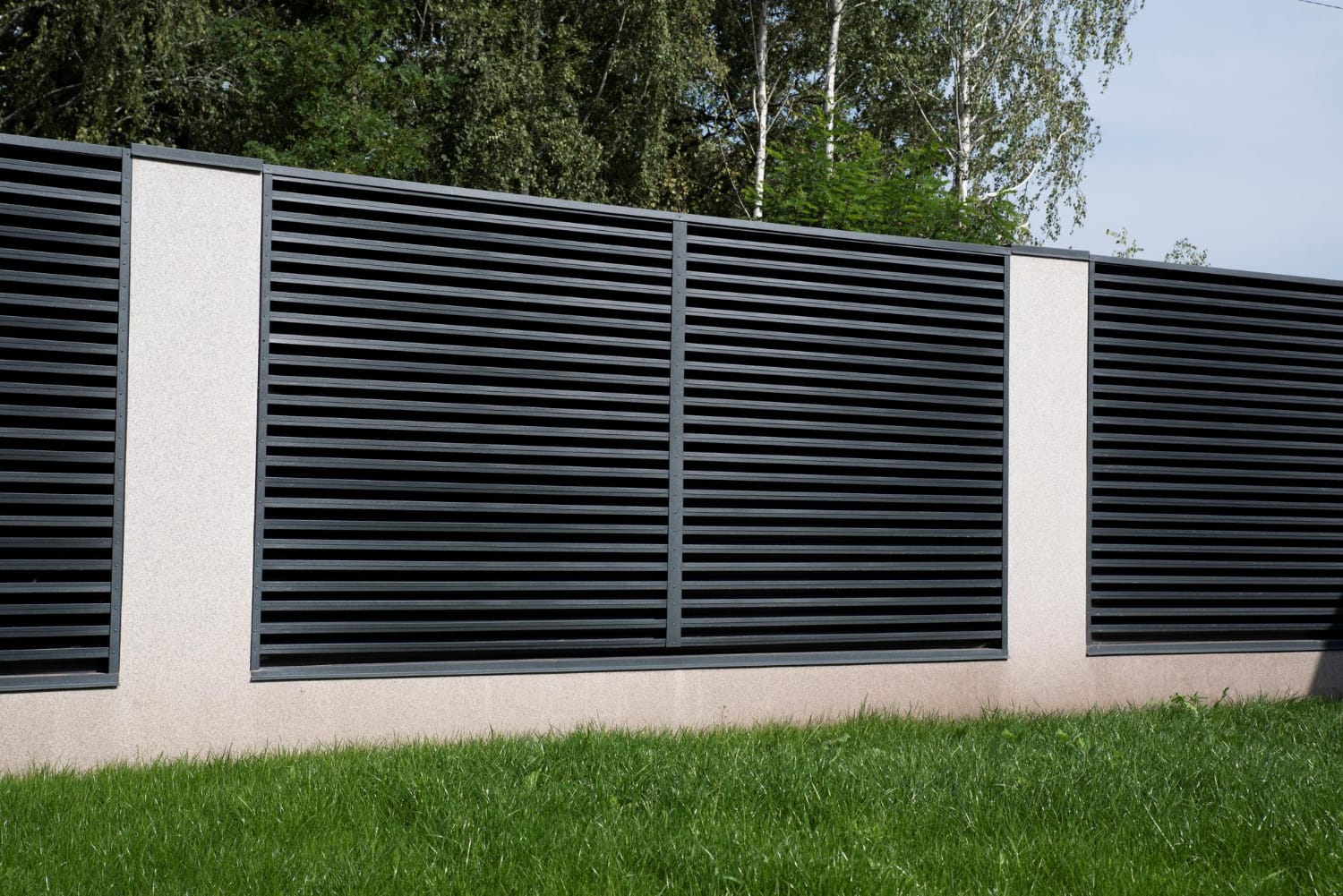
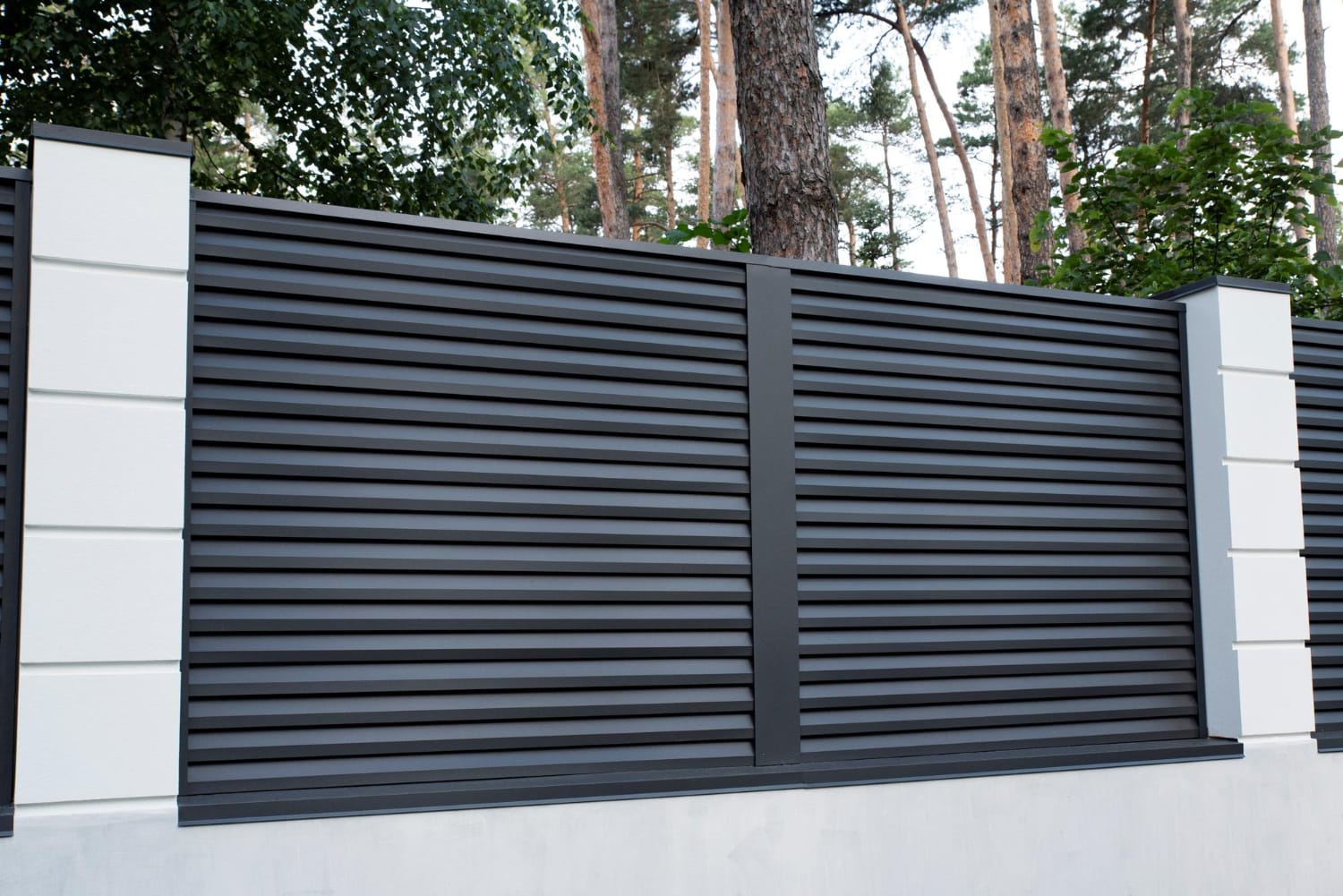
Dark louvered fence panels with pine trees behind
04

Grade and drainage planned along the run

Standing water rots wood and softens footings. On slopes, we step or rack the panels, and we keep wood about 2 inches above the soil. As a result, the fence stays straight and dry at the base.
Black slat fence panels on a stucco base above green grass

Reviews.

Homeowners who made the switch.

Five reviews from our clients, unedited: solar, financing, roofing and electrical work.

“
Exceptional service! The team at Majestic went above and beyond to install my solar panels. Couldn’t be happier with the results.
Michael Turner
Solar installation
“
Majestic truly exceeded my expectations. Their solar financing options made it easy for me to go green without breaking the bank.
Jennifer Collins
Solar financing
“
Highly recommend Majestic for their professionalism and expertise. They did an outstanding job with my roofing installation.
Robert Mitchell
Roofing
“
Impressed by their attention to detail and efficiency. The electrical panel service they provided was top-notch. Will definitely use them again!
Daniel Hughes
Electrical panel
“
I had my home rewired by Majestic and couldn’t be more pleased with the results. The team was courteous, knowledgeable, and efficient.
Sarah Bennett
Home rewiring
“
Exceptional service! The team at Majestic went above and beyond to install my solar panels. Couldn’t be happier with the results.
David Sullivan
Solar installation
“
Majestic truly exceeded my expectations. Their solar financing options made it easy for me to go green without breaking the bank.
Emily Carter
Solar financing
“
Highly recommend Majestic for their professionalism and expertise. They did an outstanding job with my roofing installation.
James Anderson
Roofing
“
Impressed by their attention to detail and efficiency. The electrical panel service they provided was top-notch. Will definitely use them again!
Karen Walsh
Electrical panel
“
I had my home rewired by Majestic and couldn’t be more pleased with the results. The team was courteous, knowledgeable, and efficient.
Brian Foster
Home rewiring

Free estimate. Ready to plan a fence that stays straight?

Tell us your lot, the fence height you want and where the gates go. We will come out, measure the line and check slope and soil. Then we tell you which material and post depth make sense.
Hours
Sunday to Thursday 9am to 5pm · Friday 9am to 1pm
The fastest way to book is a call or an email. Tell us your address, the fence you want and a good time to reach you.
Black horizontal slat fence on a concrete base with grass in front

The science. How fence installation holds up against wind and wet soil.

Two forces decide how long a fence lasts, wind and water. A solid panel catches wind, and the load travels down the post into the footing. Clay soil swells when wet and shrinks when dry, so shallow posts move. A deeper post in a concrete footing resists both. Metal slat panels let some wind pass, which lowers the load on each post. Before we dig, we call USA North 811 so buried lines are marked. Walls and patios beside the fence change the footing plan, so our hardscape contractor crew can plan them together. In either case, we confirm the footing depth for your soil before we dig.

The plan. How fence installation runs, from layout to the final gate check.

The work moves in four stages, and each one ends with a check. First, we walk the line with you, mark the posts and call 811. Next, the crew digs, sets the posts plumb and pours the footings. Footings need at least a day to set before panels go on. After that, we hang the panels and gates, trim the posts and test every swing. Last, we clean up and walk the finished fence with you. If a patio or driveway is part of the project, our concrete and pavers crew can pour or lay it on the same schedule. Our landscaping team can restore planting along the fence. Ready to start? Book a free fence estimate and we will measure your lot.
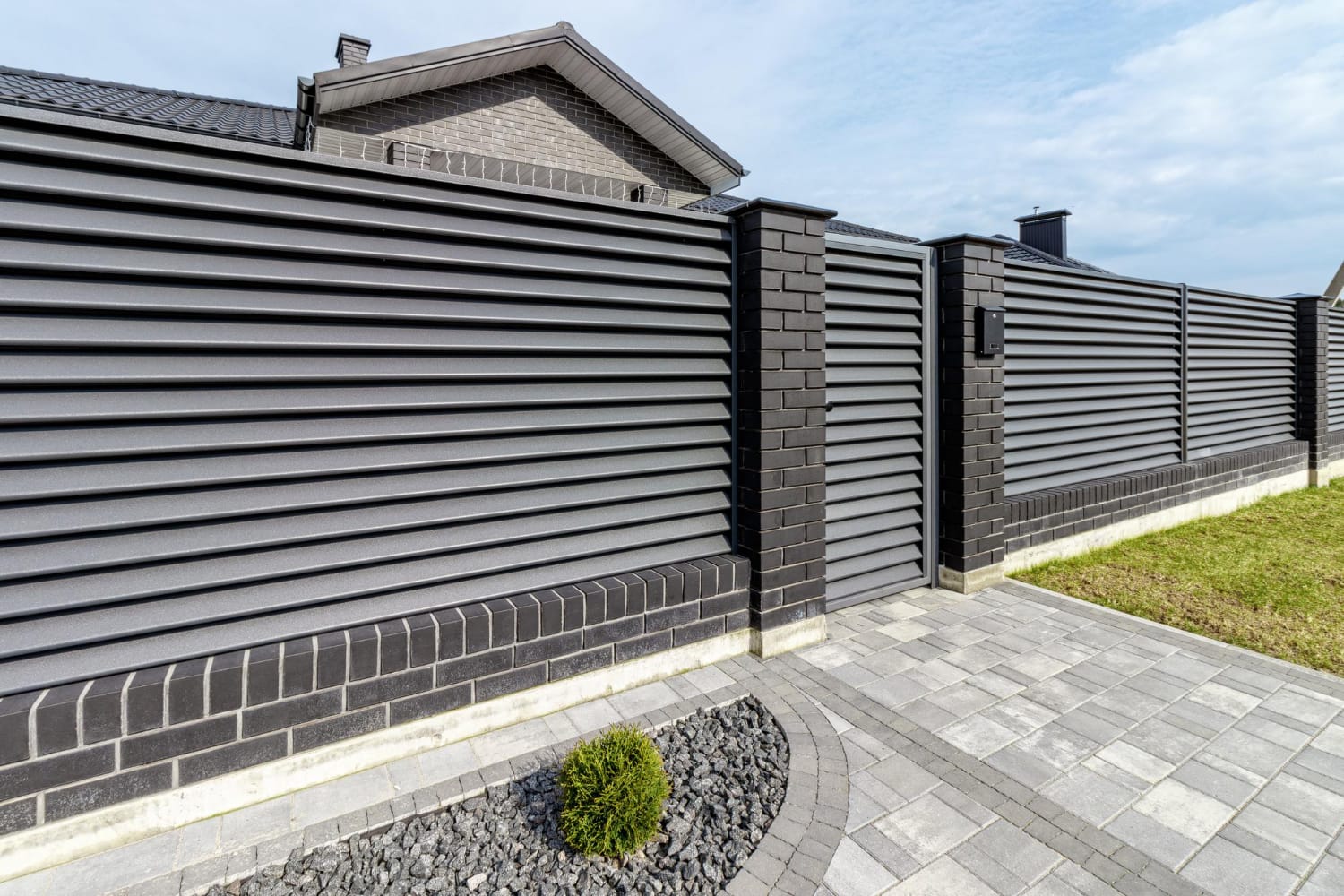
Dark louvered fence along a paved driveway with brick pillars

Questions. Answers before you book fence installation.

What does fence installation include?

Fence installation covers the whole job, not only the panels. First, we confirm the fence line with you and call 811 so buried utilities are marked. Next, we dig post holes, set the posts plumb and pour concrete footings. After that, we hang the panels or rails, install gates and check every swing and latch. Finally, we haul away the spoil and old material. Your estimate lists each of these steps, so you can see what is covered before you sign. If your lot slopes, we also plan how the panels step down the grade, because that changes post length and the finished look.
Good fence installation buries about one third of the post. On an 8 foot post, roughly 32 inches sits underground. That depth reaches soil that does not swing between wet and dry through the year. We also pour the footing wider than the post, so it grips the soil on all sides. In loose or sandy ground, or where wind is strong, we go deeper. On a slope, we measure from the low side of each hole, so every post ends up with the same buried length. We confirm the depth for your soil during the estimate visit, before any digging begins.
The schedule depends on fence length, soil, access and the material you choose. A short run with simple panels moves quickly, while a long fence with gates and a stone base takes longer. Footings need at least a day to set before panels go on, so the work happens in stages. Rain can also pause digging and pouring. For that reason, we give you a written timeline after we measure your lot, not before. If something changes on site, such as a buried obstruction, we tell you the same day and explain how it affects the schedule. Then you decide how to proceed.
Often, yes, or at least you need to follow local rules. Many cities limit fence height, commonly about 6 feet in a back yard and lower in a front yard. Some require a permit above a set height, and corner lots can have sight line limits. Masonry walls and tall fences may need engineering. Rules differ between cities and counties, so we check yours during the estimate and tell you what applies. Homeowner associations can add their own limits on style and color. We recommend you read your HOA guidelines before choosing a material, because approval can take a while. Ask us for the specific limits on your street.
Each material trades privacy, upkeep and cost differently. Metal slat panels, like the ones in our project photos, give privacy while letting some wind pass, and they need little upkeep. Wood looks warm and is easy to modify, but it needs sealing or staining every few years, and the bottom rail should sit about 2 inches above the soil. Vinyl resists rot and needs only washing, though it can crack in hard impacts. We show you samples of each and explain how the choice affects posts, footings and gates, then you pick what suits your lot.
A gate leaf puts its whole weight on one hinge post, so that post must be stronger than the rest. We use a larger post, set it deeper and pour a wider footing. Then we build the leaf with a rigid frame or a diagonal brace, so it stays square. A 4 foot pedestrian gate and a 12 foot driveway gate need very different hardware, so we size hinges to the weight. After the concrete has set, we hang the gate and check the swing and latch gap. If a gate drags later, call us and we will adjust it.
Yes, we do both. During the visit we check the posts first, because sound posts can carry new panels, while rotted or leaning ones cannot. When only a few panels are damaged, a repair costs less than replacing the whole run. Loose posts or failed footings point to replacement instead, and we explain why. Replacement counts as fence installation too, and we remove the old material and haul it away. You get both options priced side by side, so you can compare the work and decide. We never push a full replacement when a repair will do.
Utility marking is free, and it is done by the utility owners after a call to 811. In Northern California, you or your contractor notify USA North 811 at least two working days before digging. The utility companies then mark buried lines with paint or flags. We make that call for you, and we dig only after the lines are marked. Marks show the approximate path, so we hand dig close to them. This step protects gas, water, power and communication lines, and it protects your family. We also ask you about private lines, such as sprinklers or pool plumbing, because those are not always marked.
Call (916) 580-5092 or email us, and tell us your address, the fence height you want and where the gates should go. We then visit, measure the line, check slope, soil and access, and talk through materials with you. You can also send photos ahead of time, which helps us bring the right samples. After the visit, we send a written estimate that lists posts, footings, panels, gates and removal of any old fence. If you want a fence next to a patio or a driveway, mention it, because we can plan the footings and the paving together.