
Energy-efficient upgrades & remodeling · Financing options may be available for qualifying homeowners
License #1072607

Solar panel installation for Northern California roofs

Your roof, your bills and your utility's rules set the plan for solar panel installation.

About the service. Every solar panel installation starts with the roof, not the panel.

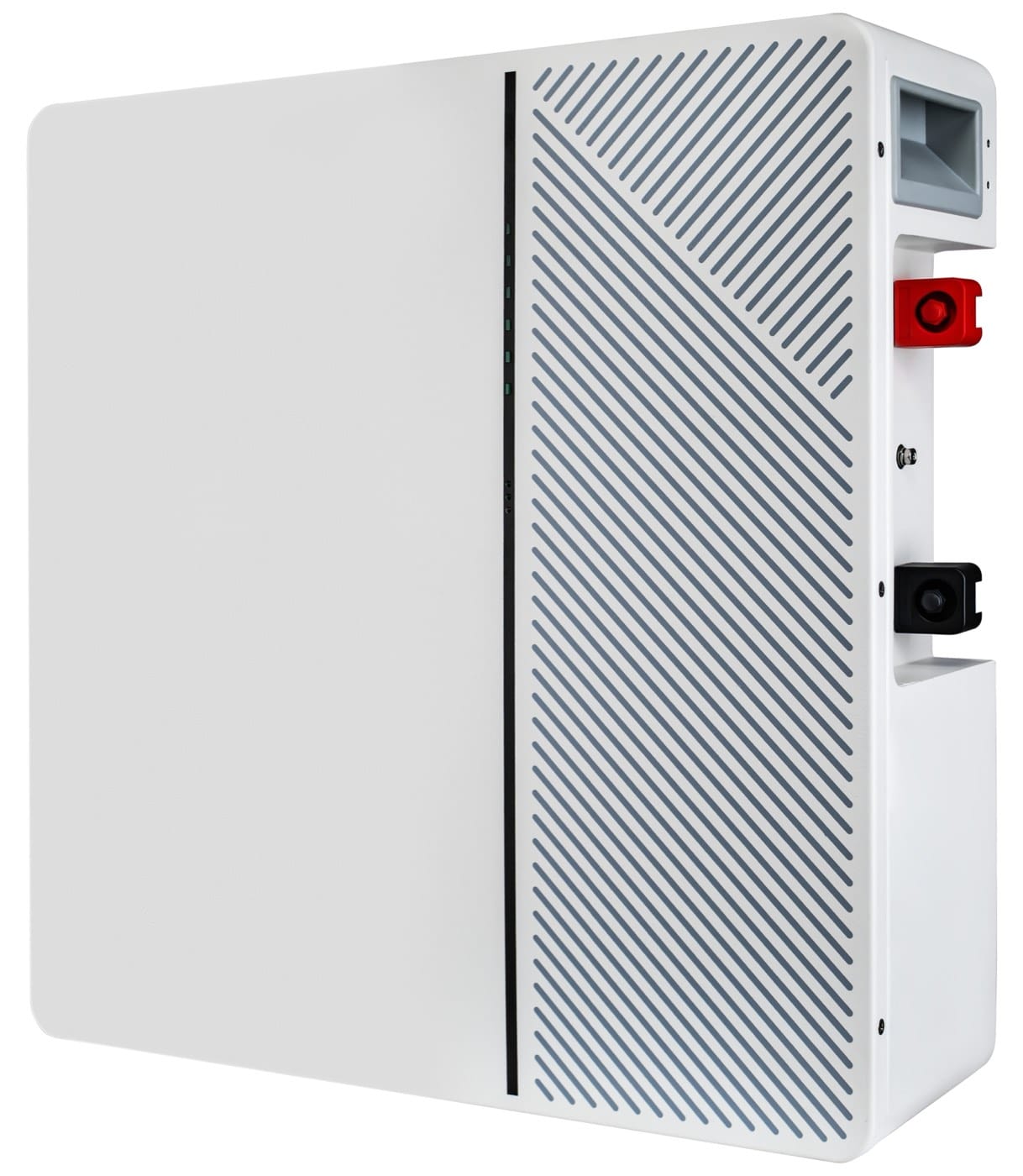
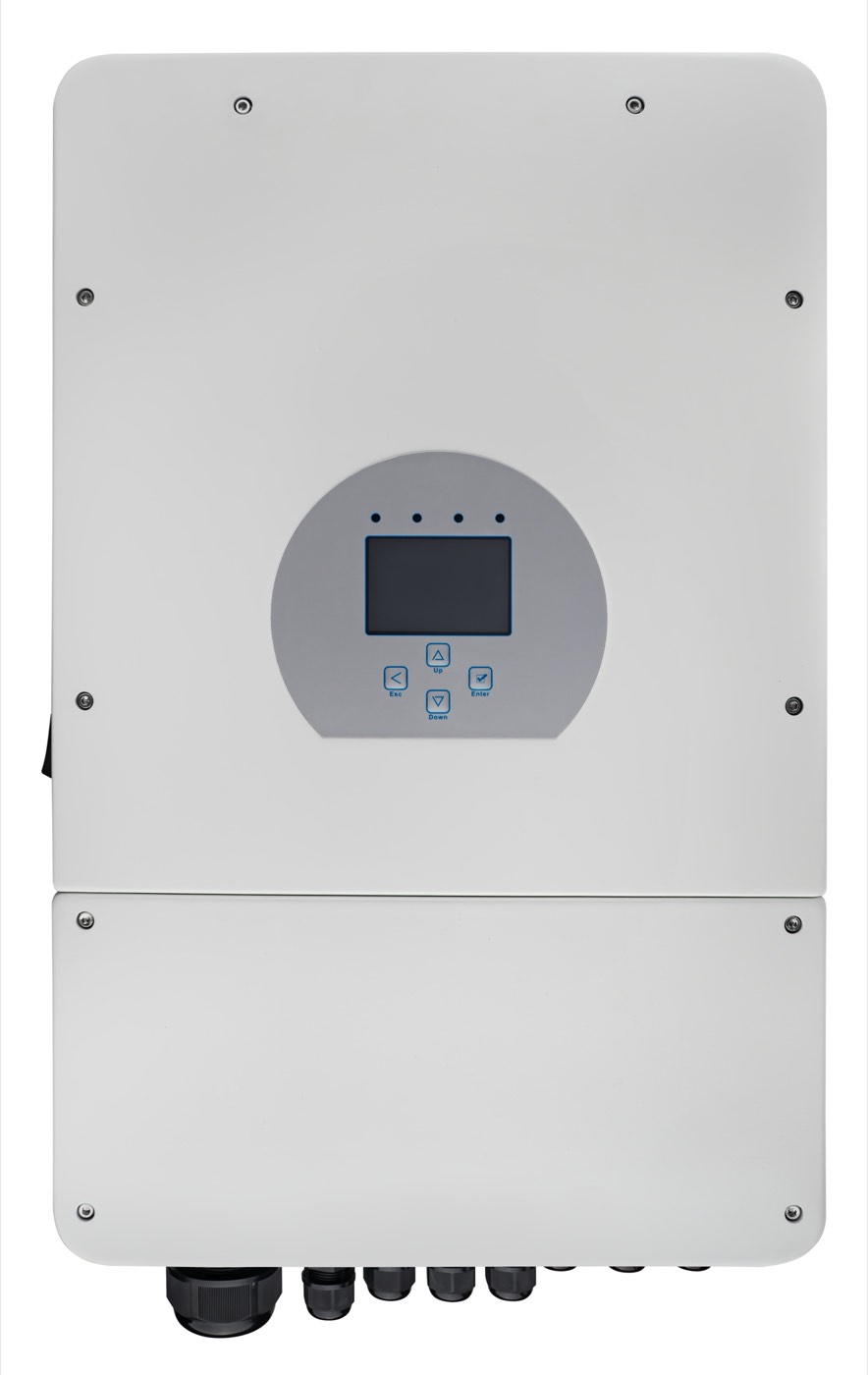
Rafters decide where a solar panel installation can go, and they usually sit 16 or 24 inches apart. Each mount bolts into a rafter, so wind lifts on the array load the framing, not just the decking. Next, we match the panel count to your yearly electricity use. An inverter then turns the panels’ direct current into the alternating current your house runs on, and we plan the wiring back to your main panel. However, the roof has to be sound first. If the shingles are near the end of their life, we replace them before any panel goes up. Our solar panel installation covers design, permits, mounting, wiring and the utility paperwork, so one project handles all of it. Solar also pairs well with our other energy efficiency upgrades, which cut the load the panels have to cover.
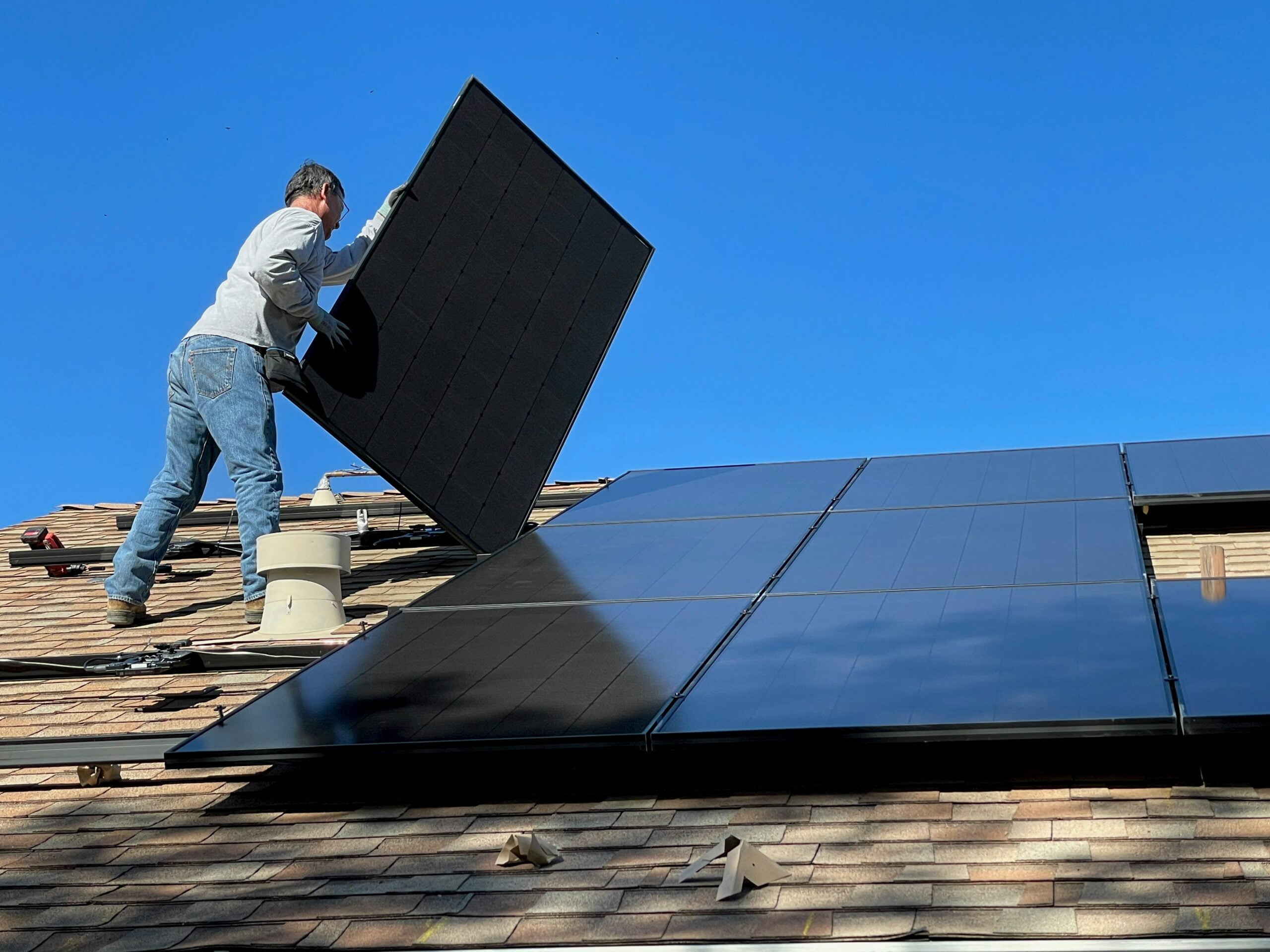
Solar panel installation on a shingle roof, installer lifting a black panel beside mounted panels

Why us. Why homeowners choose our solar panel installation team.

Four things we do differently on every roof.
01

One team from roof check to switch-on

The people who measure your roof also manage the install, so details survive from the first visit to the last. A project lead checks the finished array and wiring on site before we close the job.
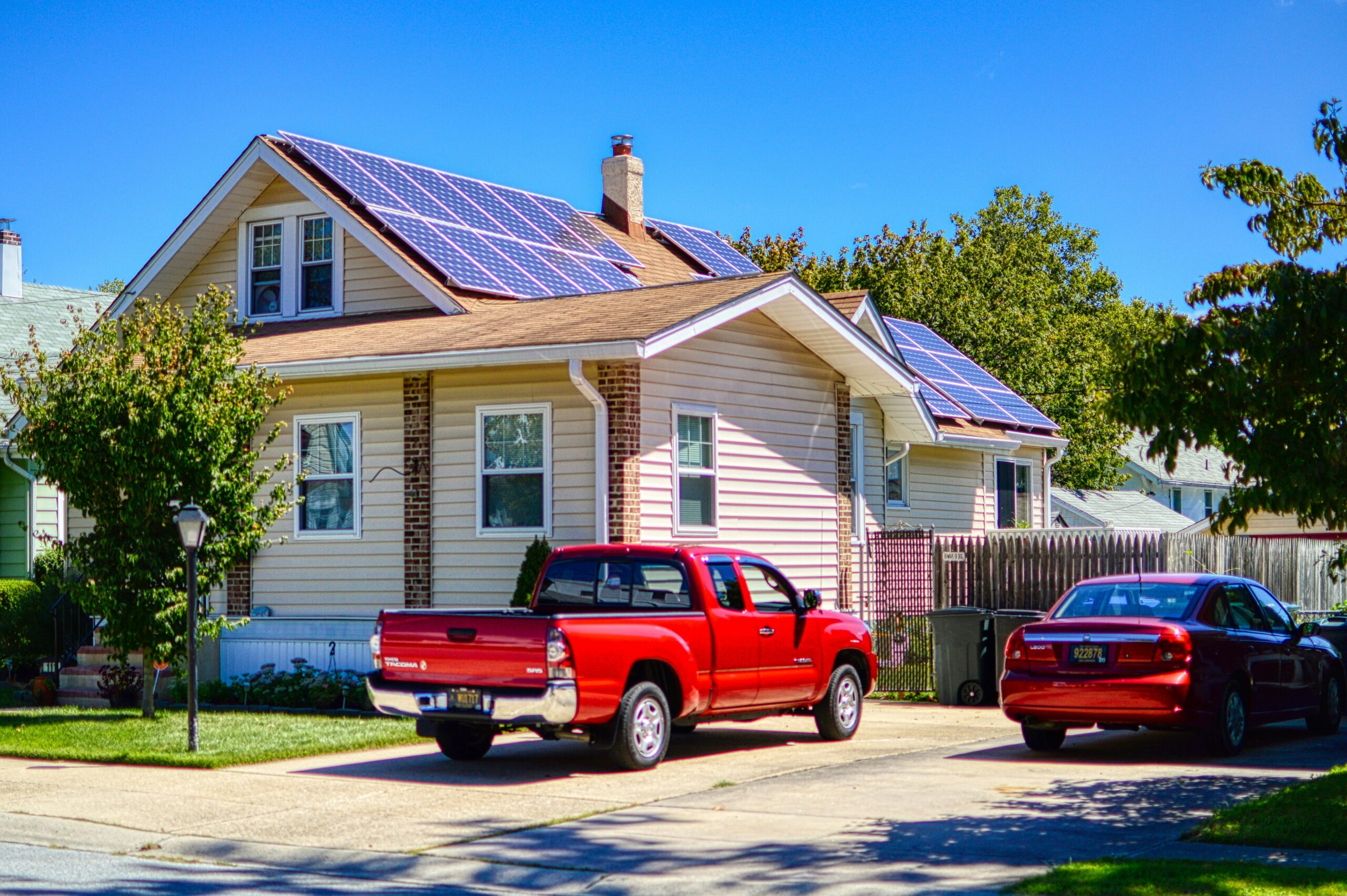
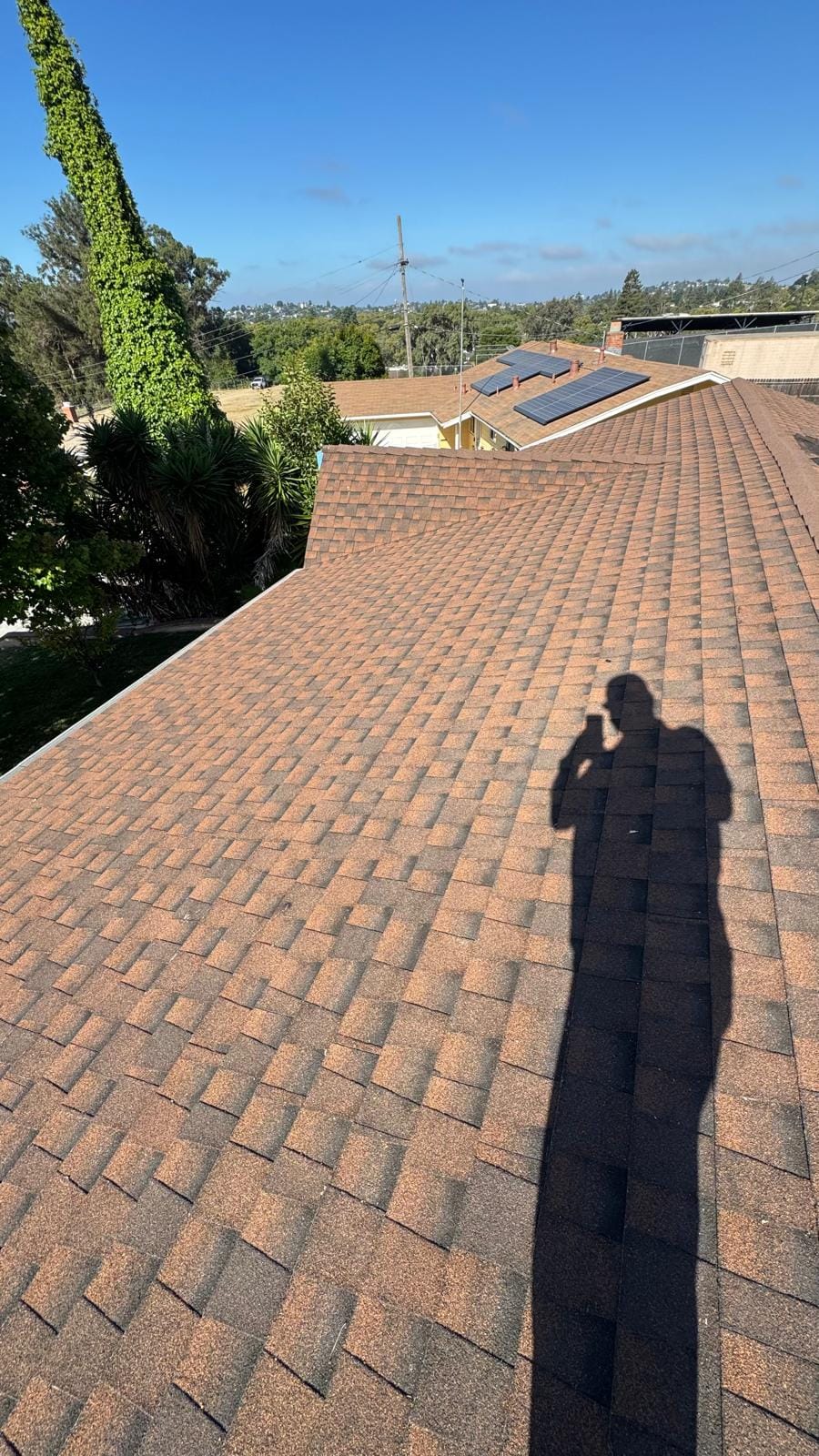
Tan shingle roof with solar panels
02

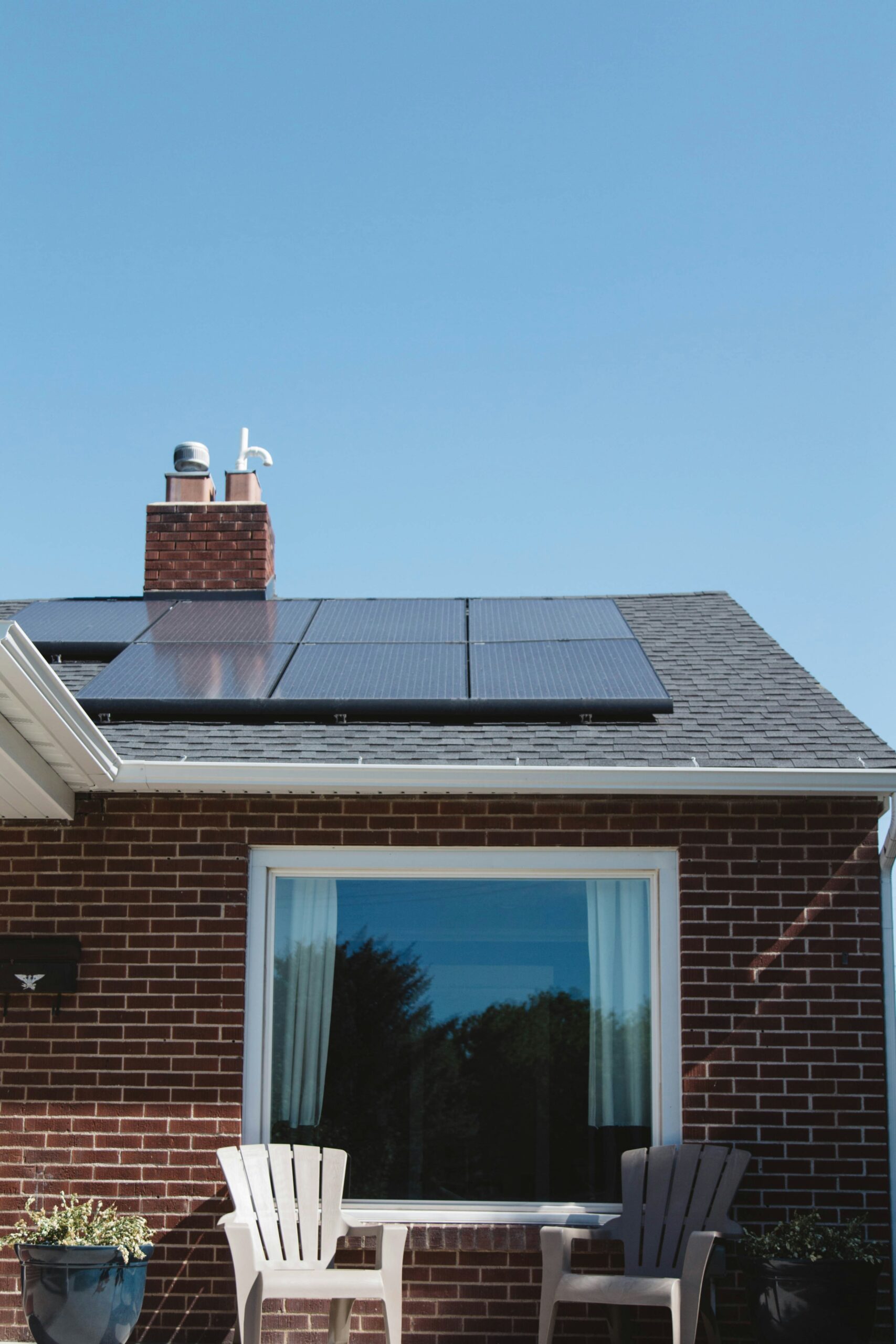
Roof condition comes before panels

Panels stay up for decades, so the roof under them has to last as long. We check shingles, flashing and decking first, then fix weak spots before mounting. Pulling an array later to redo a roof means paying for labor twice.
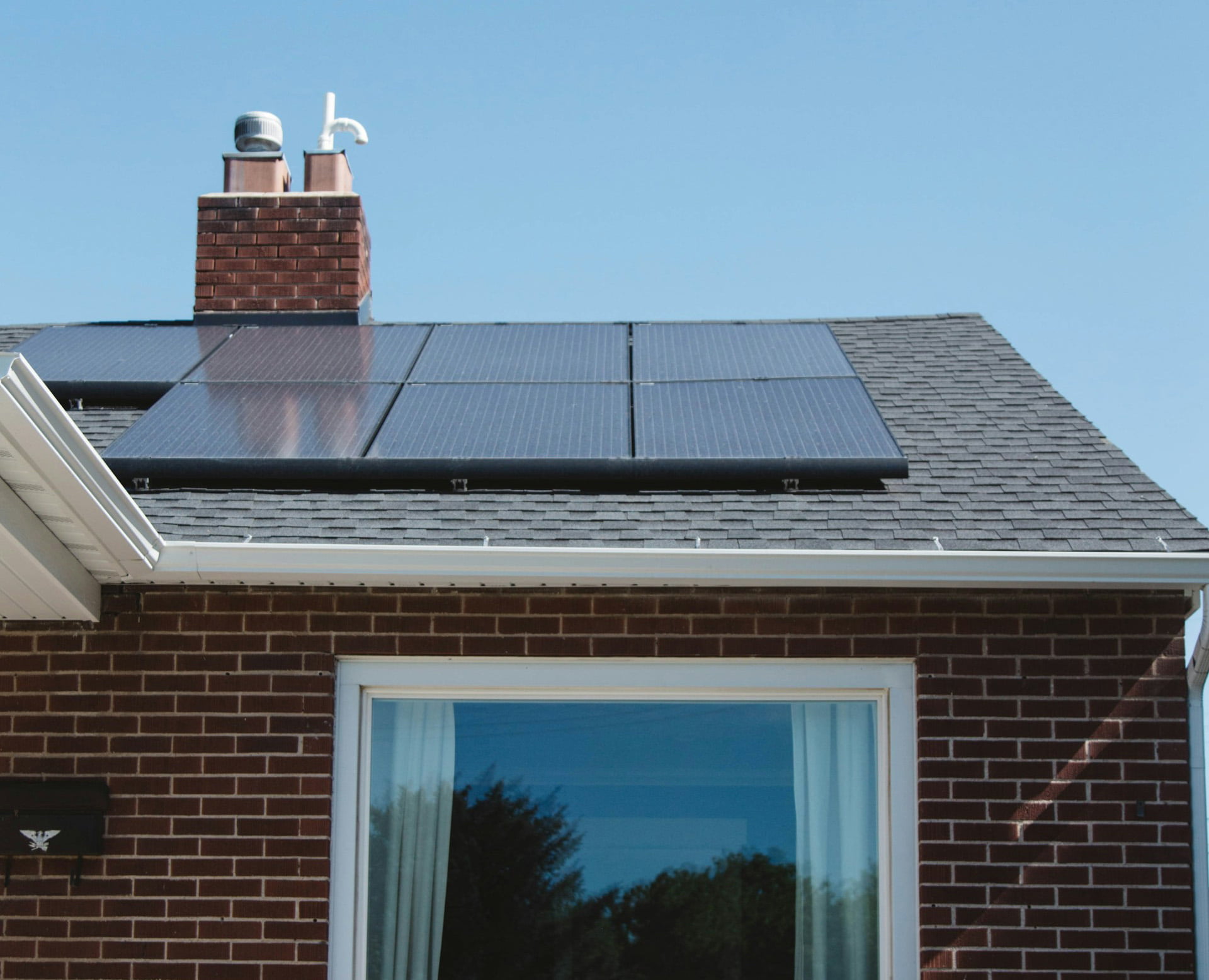
Brick house with solar panels on the roof above a window and two white garden chairs
03

Sized to your use, not a sales target

System size starts from your past electricity bills. California net billing pays less for exported power than older net metering did, so panels that match your daytime use make more sense than a bigger array. We size to that, and we say so when a smaller system fits.
Wall mounted hybrid inverter unit
04

Financing help with paperwork

Financing options may be available to qualifying homeowners. Our solar financing page explains how they work with a solar project, and we help with the forms. Approval depends on your property and provider.
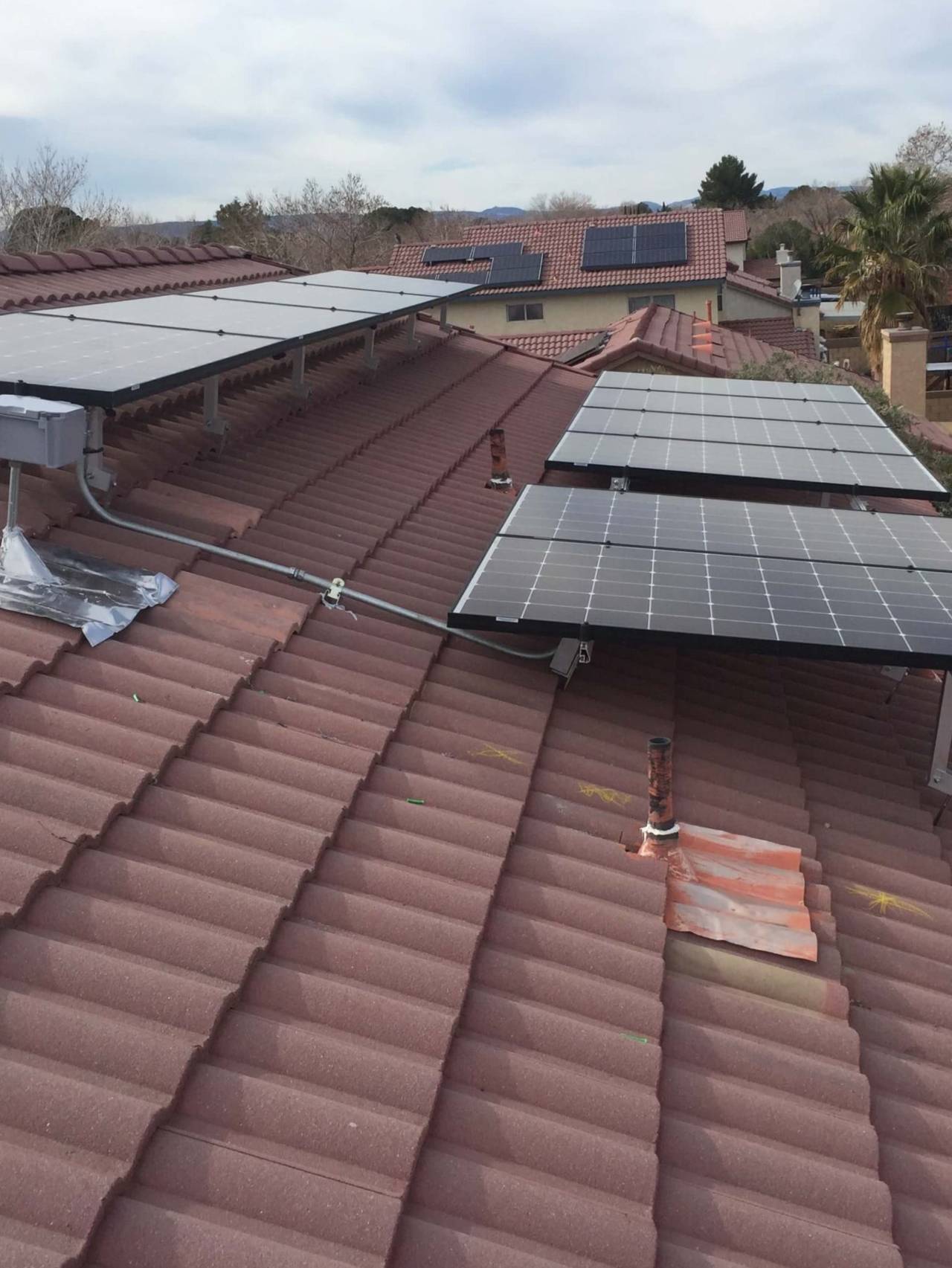
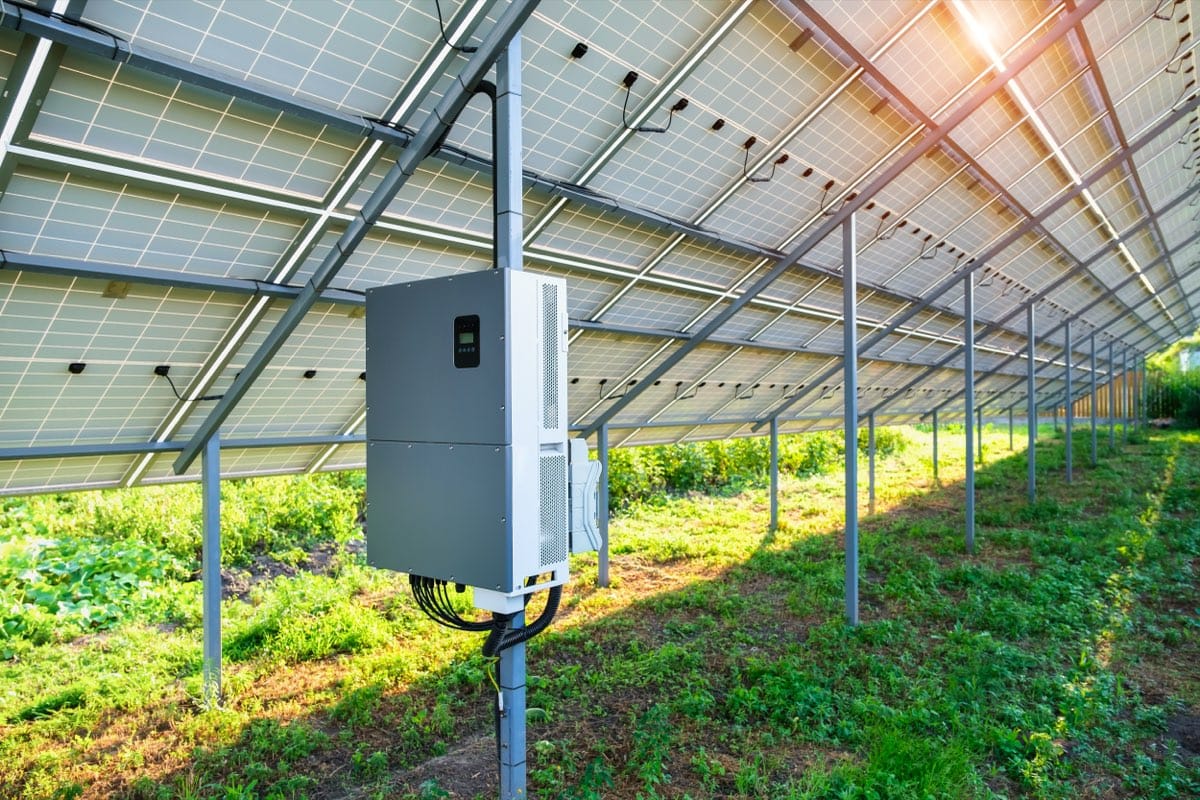
Inverter mounted on a post beneath solar panels
Reviews

Homeowners who made the switch.

Five reviews from our clients, unedited.

“
Exceptional service! The team at Majestic went above and beyond to install my solar panels. Couldn’t be happier with the results.
Jason Powell
Solar installation
“
Majestic truly exceeded my expectations. Their solar financing options made it easy for me to go green without breaking the bank.
Stephanie Long
Solar financing
“
Highly recommend Majestic for their professionalism and expertise. They did an outstanding job with my roofing installation.
Ryan Hamilton
Roofing
“
Impressed by their attention to detail and efficiency. The electrical panel service they provided was top-notch. Will definitely use them again!
Christine Bell
Electrical panel
“
I had my home rewired by Majestic and couldn’t be more pleased with the results. The team was courteous, knowledgeable, and efficient.
Scott Henderson
Home rewiring
“
Exceptional service! The team at Majestic went above and beyond to install my solar panels. Couldn’t be happier with the results.
Rebecca Stone
Solar installation
“
Majestic truly exceeded my expectations. Their solar financing options made it easy for me to go green without breaking the bank.
Jeffrey Webb
Solar financing
“
Highly recommend Majestic for their professionalism and expertise. They did an outstanding job with my roofing installation.
Amy Fisher
Roofing
“
Impressed by their attention to detail and efficiency. The electrical panel service they provided was top-notch. Will definitely use them again!
Brandon Hunt
Electrical panel
“
I had my home rewired by Majestic and couldn’t be more pleased with the results. The team was courteous, knowledgeable, and efficient.
Michelle Dixon
Home rewiring

Free estimate. Ready to see what solar fits your roof?

Tell us about your roof and your bills. We come out, look at the roof, the shade and the main panel, then tell you what is worth doing and what is not.
Hours
Sunday to Thursday 9am to 5pm · Friday 9am to 1pm
The fastest way to book is a call or an email. Have a recent electricity bill handy so we can size the system.
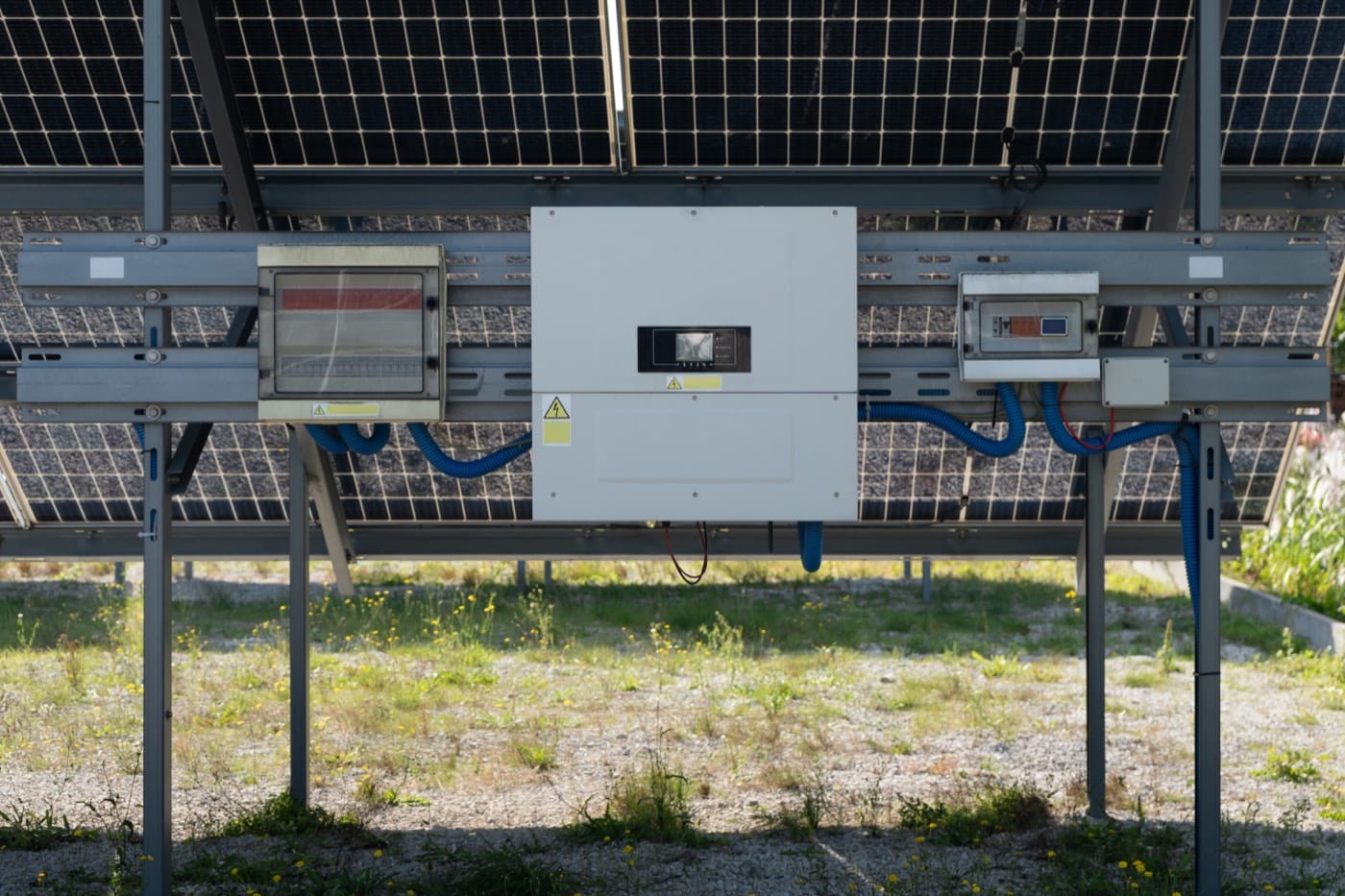
Inverter and electrical boxes mounted beneath solar panels

The science. How solar panel installation turns sunlight into house power.

Sunlight knocks electrons loose in a panel’s silicon cells, and that flow is direct current. An inverter converts it to alternating current for your outlets. Heat works against you, because panels typically lose about 0.3 to 0.4 percent of output for each degree Celsius above 25. For that reason, the crew leaves an air gap under the array so heat can escape. The U.S. Department of Energy explains the basics in its homeowner’s guide to solar. If the roof needs work first, we finish it before panels go up, and solar integrated roofing is another route. Extra daytime power can also fill a battery, which our battery storage page covers.

The plan. How solar panel installation runs, from site visit to switch-on.

The work runs in five stages, and each one ends with a check. First, we visit, measure the roof and read your bills. Next, we draw the system and file permits with your city or county. After approval, the crew mounts rails, sets the panels and runs conduit to the inverter and main panel. Then the building department inspects the work. Last, your utility grants permission to operate, and only then do we switch the system on. Permit and utility queues set most of the calendar, so we give you a written schedule after the visit. Our solar and electrical services page covers related wiring work. Book a free solar estimate to start.
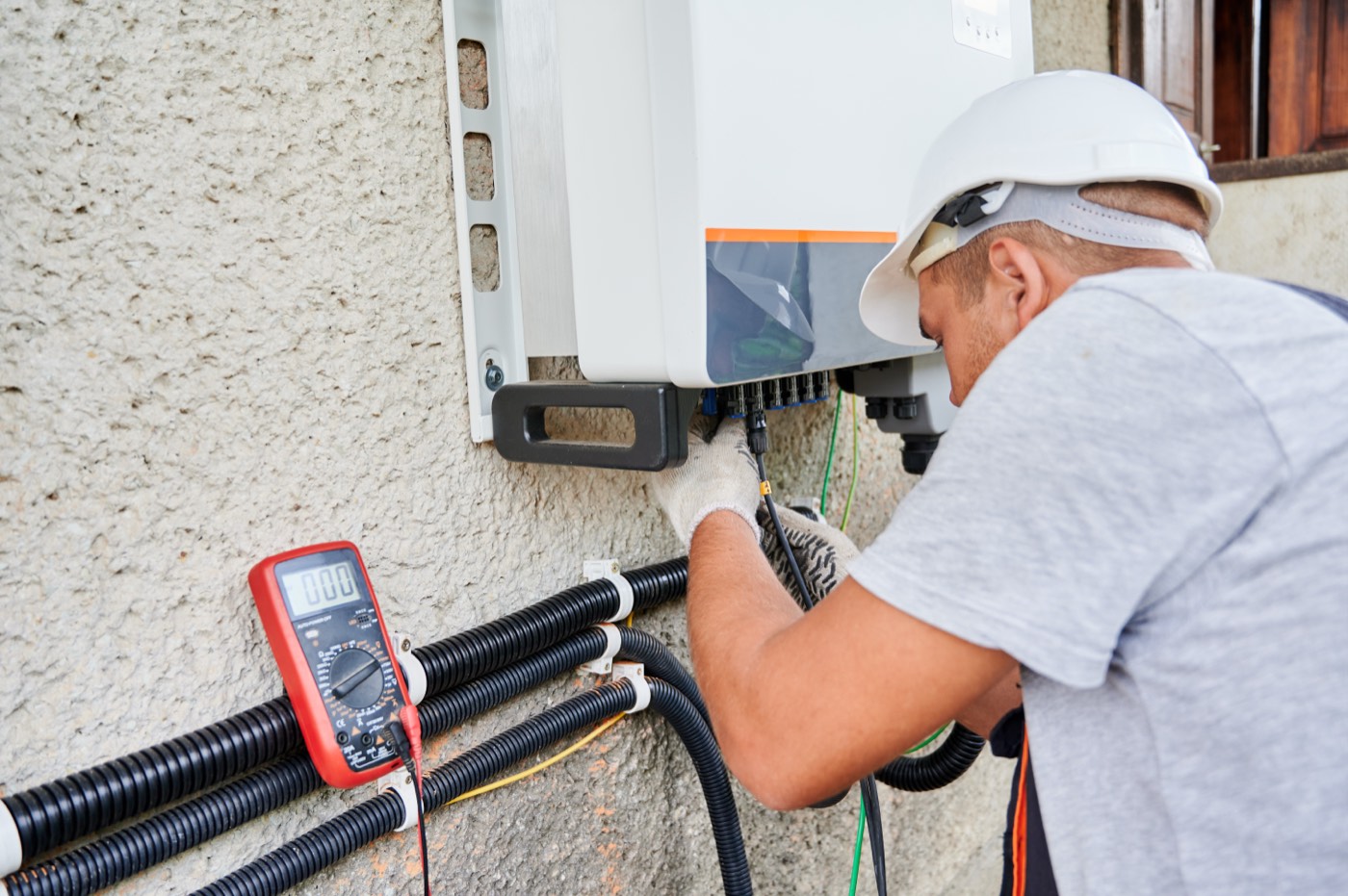
Electrician connecting wiring to a wall mounted inverter

Questions. Answers before you book solar panel installation.

What does solar panel installation involve?

Solar panel installation has five parts. First, we visit your home, measure the roof and read your electricity bills. Next, we design the array and file permits with your city or county. After approval, the crew mounts rails into the rafters, seals every roof penetration with flashing and sets the panels. Then they wire the panels to an inverter and your main electrical panel. Finally, the building department inspects the work and your utility grants permission to operate. Only after that do we switch the system on. The roof work is the short part of the project. Paperwork and approvals take most of the calendar, so we track both for you.
The roof work is quick, and the approvals are slow. Mounting and wiring a typical home system takes days, not weeks, but permits and utility review can run longer than the build itself. The timeline also moves with roof condition, equipment availability and how busy your building department is. For that reason, we do not quote a date at the first visit. Instead, we give you a written schedule after we measure the roof and file the permit. Weather matters as well, because crews do not work on wet roofs. If your roof needs repairs first, that work adds time before the panels go up, and we explain it in the estimate.
We do not post a price, because cost depends on your house. Four things drive it: system size, roof type and pitch, the condition of your main electrical panel, and whether you add a battery. A tile roof takes different hardware than a shingle roof, and an older electrical panel may need an upgrade before it can accept solar. Financing options may be available to qualifying homeowners, and our solar financing page explains how they work. The fastest way to a real number is a free estimate. We look at the roof, the shade and the panel, then write the scope and price down so you can compare it with other quotes.
Incentives for solar change often, and some have ended or shrunk in recent years. Federal tax credits, state programs and utility rules each follow their own dates and limits. For that reason, we do not quote credit amounts on this page. Check the current federal and California rules, or ask a tax professional, before you sign. We can tell you what applies to your project during the estimate, and we put the system cost in writing so your tax preparer has clear numbers. Financing may also be available to qualifying homeowners, and approval depends on your property and provider. Ask us which options fit your home.
Some homeowners try, but we do not recommend it. A solar array is a roof job and an electrical job at the same time. Every mount drills through the roof, so a missed rafter or poor flashing becomes a leak. The panels also produce live direct current as soon as light hits them, which is hard to work around safely. Your city will still require a permit and an inspection, and your utility must approve the connection before you turn the system on. Because those steps take paperwork and trained hands, most homeowners hire a contractor. We handle the roof, the wiring and the filings in one project.
Sometimes. Panels stay on a roof for decades, so the roof under them has to last as long. First, we check shingles or tile, flashing and decking for wear and soft spots. If the roof is near the end of its life, we recommend replacing it before the array goes on. Otherwise, you would pay to remove and reinstall the panels later. A sound roof can usually take panels as is. We also look at rafter spacing, which is commonly 16 or 24 inches, because mounts bolt into the rafters. Our solar integrated roofing page covers panels built into the roof.
A standard grid-tied system shuts off when the grid goes down. This is a safety rule, because power flowing back into downed lines could hurt a utility worker. For that reason, panels alone do not keep your lights on during an outage. A battery changes that. With a battery and the right wiring, the system can run selected circuits when the grid is out. If backup power matters to you, tell us at the estimate so we plan the wiring now, even if you add the battery later. Our battery storage page explains the options. We also tell you which circuits a given battery can carry.
Not always, but it is worth a check. Your main electrical panel has a fixed amp rating, and solar adds a second power source feeding into it. If the panel is old, full or too small, the inspector or utility may require an upgrade before approval. During the site visit, we look at the panel’s rating, its open slots and its condition. Then we tell you whether it can take solar as is. If an upgrade is needed, our electrical panel service handles it, so the work stays in one project. Fixing it first also avoids a failed inspection after the panels are already up.
Yes, with the right hardware. Each roof type needs its own mounting method. On tile, installers use hooks or flashed mounts so the attachment reaches the rafter below. Metal roofs often take clamps that grip the seams, which avoids drilling through the metal. Shingle roofs get flashed lag bolts. Tile is brittle, so how the crew moves across it matters, and breakage is a real risk. Because of that, we confirm your roof material during the site visit and pick the mount before we order parts. Cracked tiles and rusted metal get fixed first, then the panels go on.