
Solar battery storage for Northern California homes, sized to your bills and panel
Solar battery storage holds your midday panel power for the evening, and keeps chosen circuits running when the grid drops.
About the service. Solar battery storage moves midday power into your evening.
Solar battery storage closes the gap between when your panels make power and when your house uses it. Panels make most of their power around midday, while most homes use the most power after sunset. Extra power charges the battery during the day, and the house draws it down in the evening. As a result, you buy less from the grid at night. For example, a 5 kW load running for two hours uses 10 kWh of stored energy. However, results depend on your use, your panels and your utility rate plan, so we do not promise a savings figure. First, we look at your bills and your main panel. Then we tell you whether a battery fits your house.
- Bills and main panel reviewed first
- Battery added to new or existing solar
- Backup circuits chosen with you
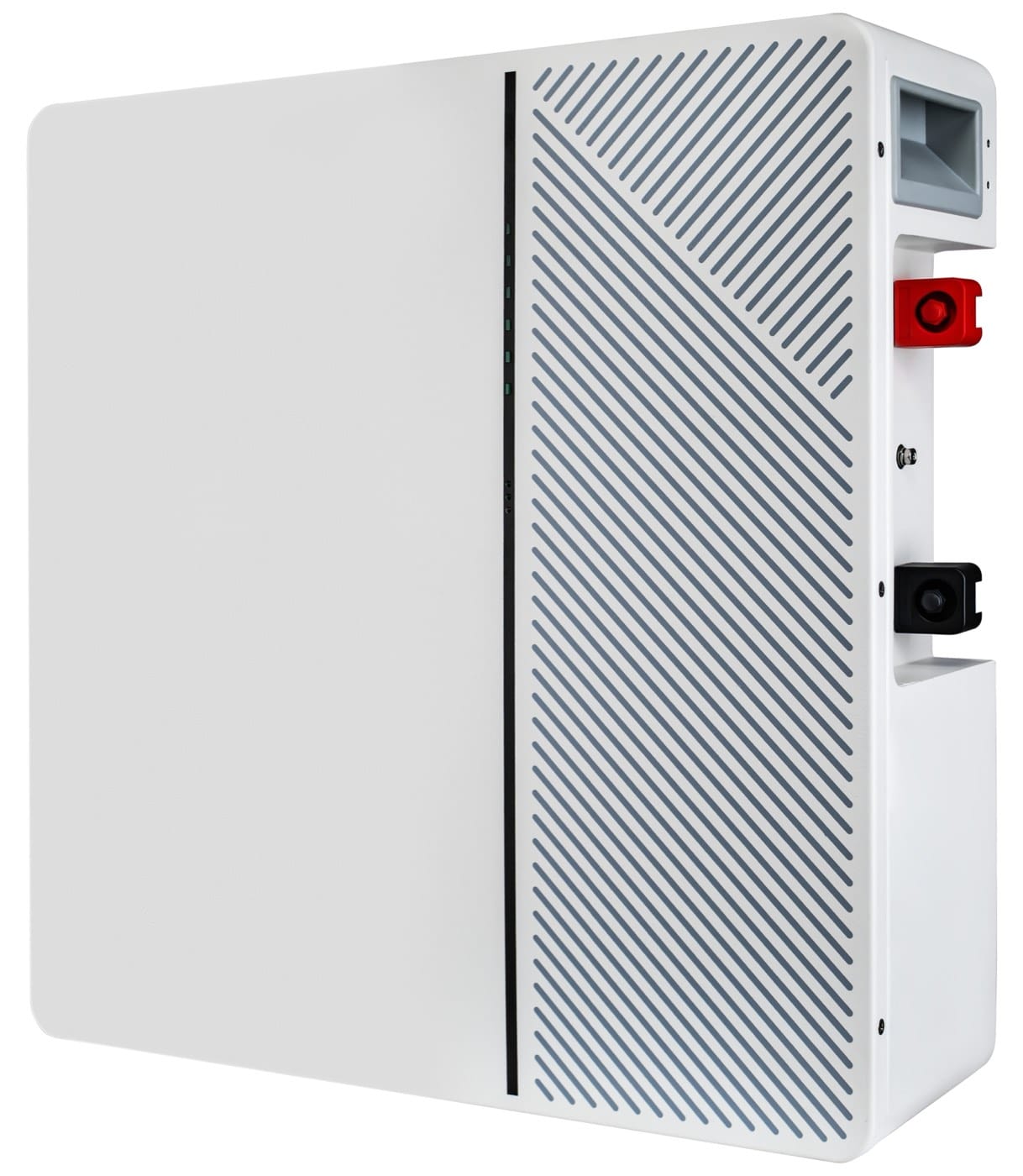
What we do. Four parts of solar battery storage we handle.
Each home needs a different mix. We tell you which parts yours needs after we look at your panels and your main panel.
01
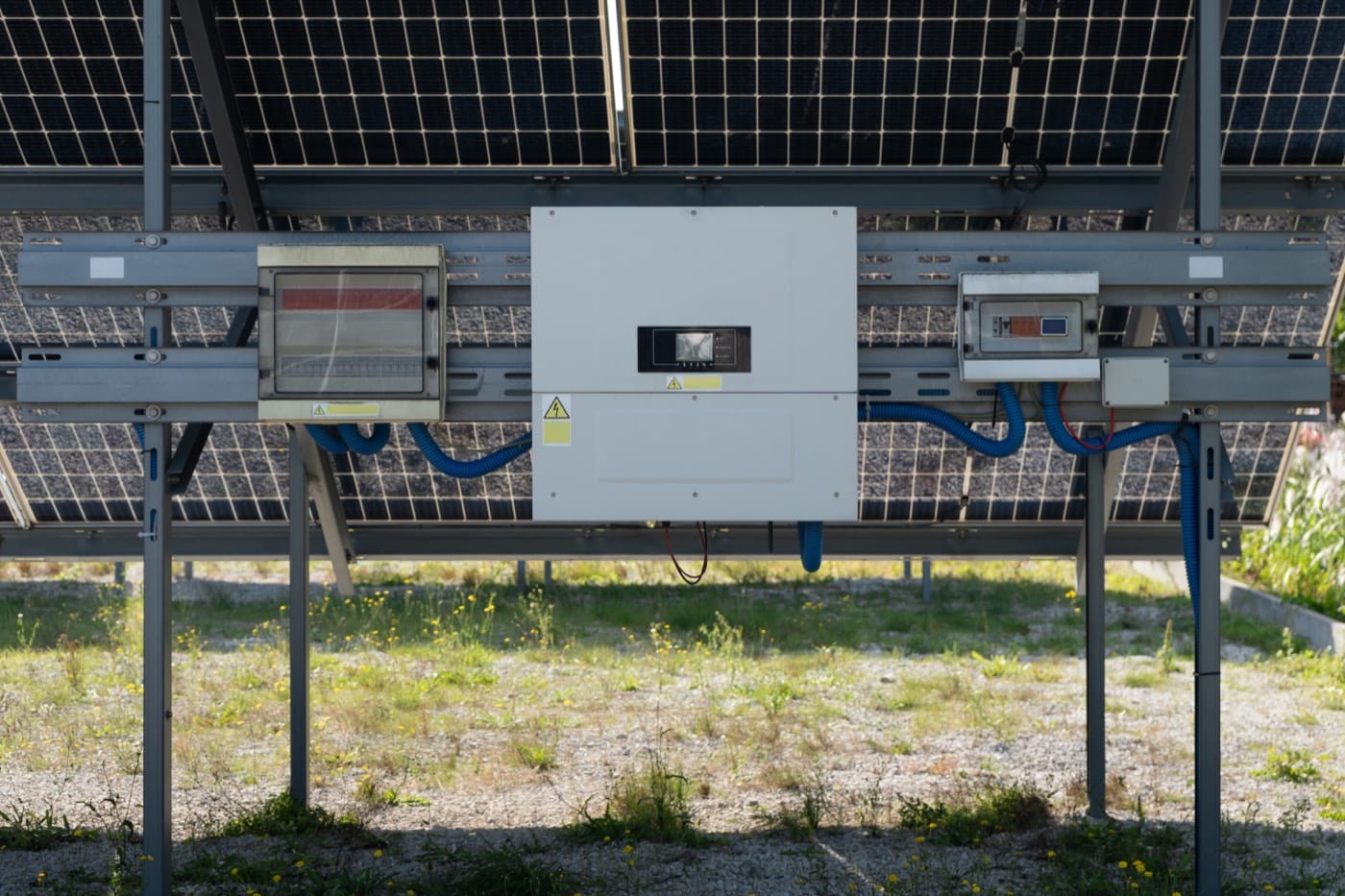
Battery for existing solar
A battery tied into the panels you already own, matched to your current inverter.
Retrofit
Existing system
02
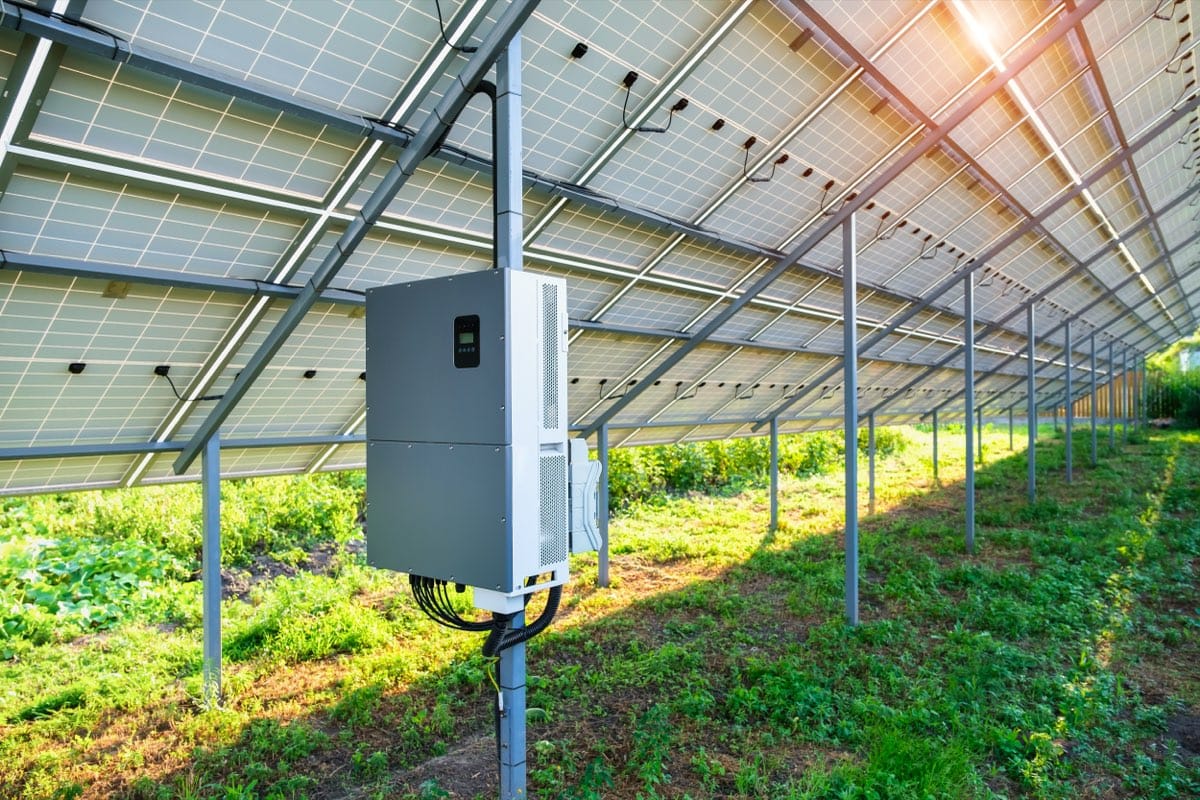
Solar and battery together
Panels, inverter and battery planned as one system, so the parts suit each other.
New system
Planned together
03
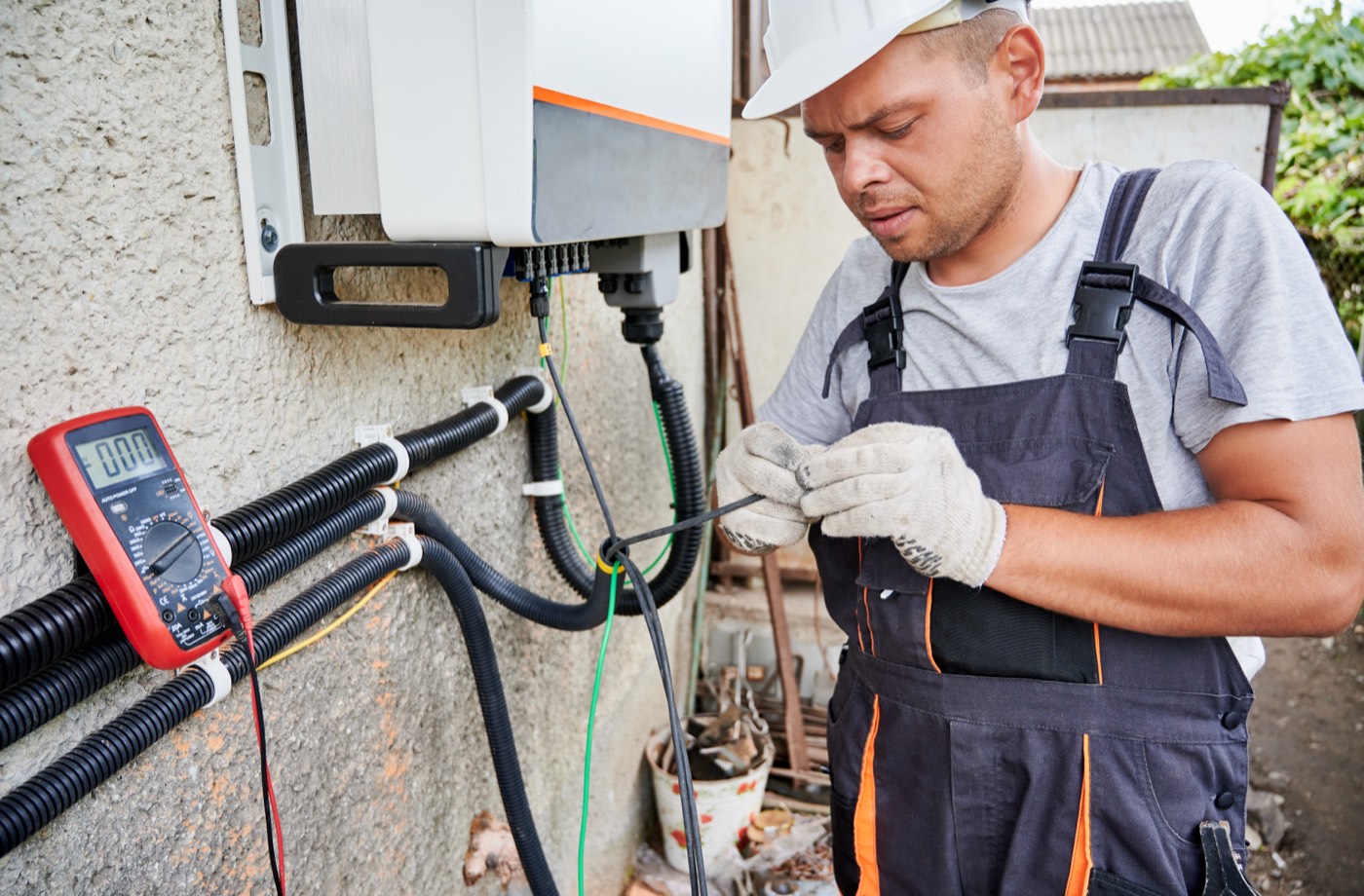
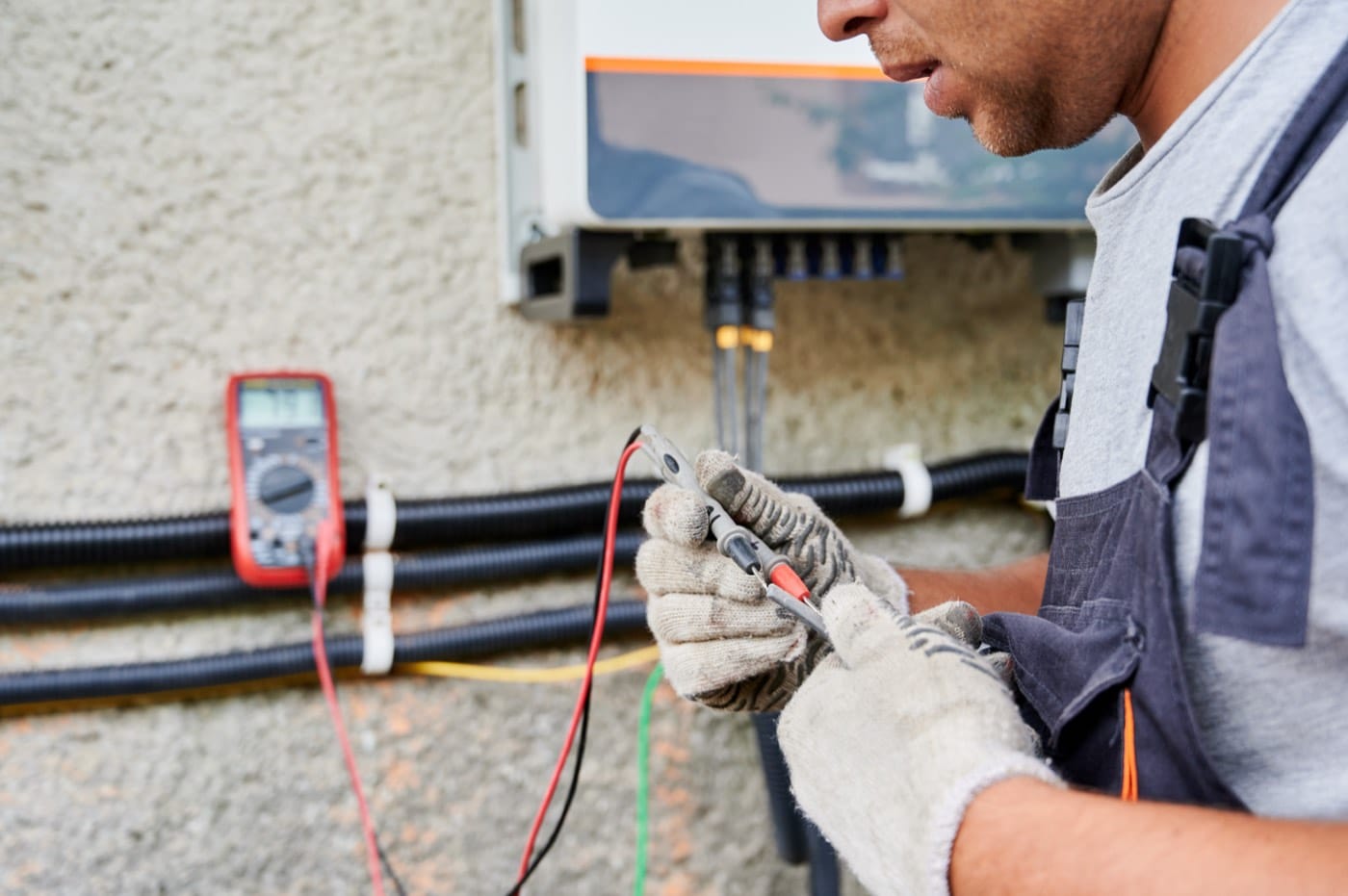
Backup circuits and panel work
A backup subpanel for the loads you pick, plus breaker space in your main panel.
Backup subpanel
04
Sizing, permits and utility forms
Capacity and power worked out from your bills, then the paperwork filed for you.
Permit
Interconnection
Why us. Why homeowners choose our solar battery storage team.
Four things we do differently on every install.
01
One team from site visit to switch-on
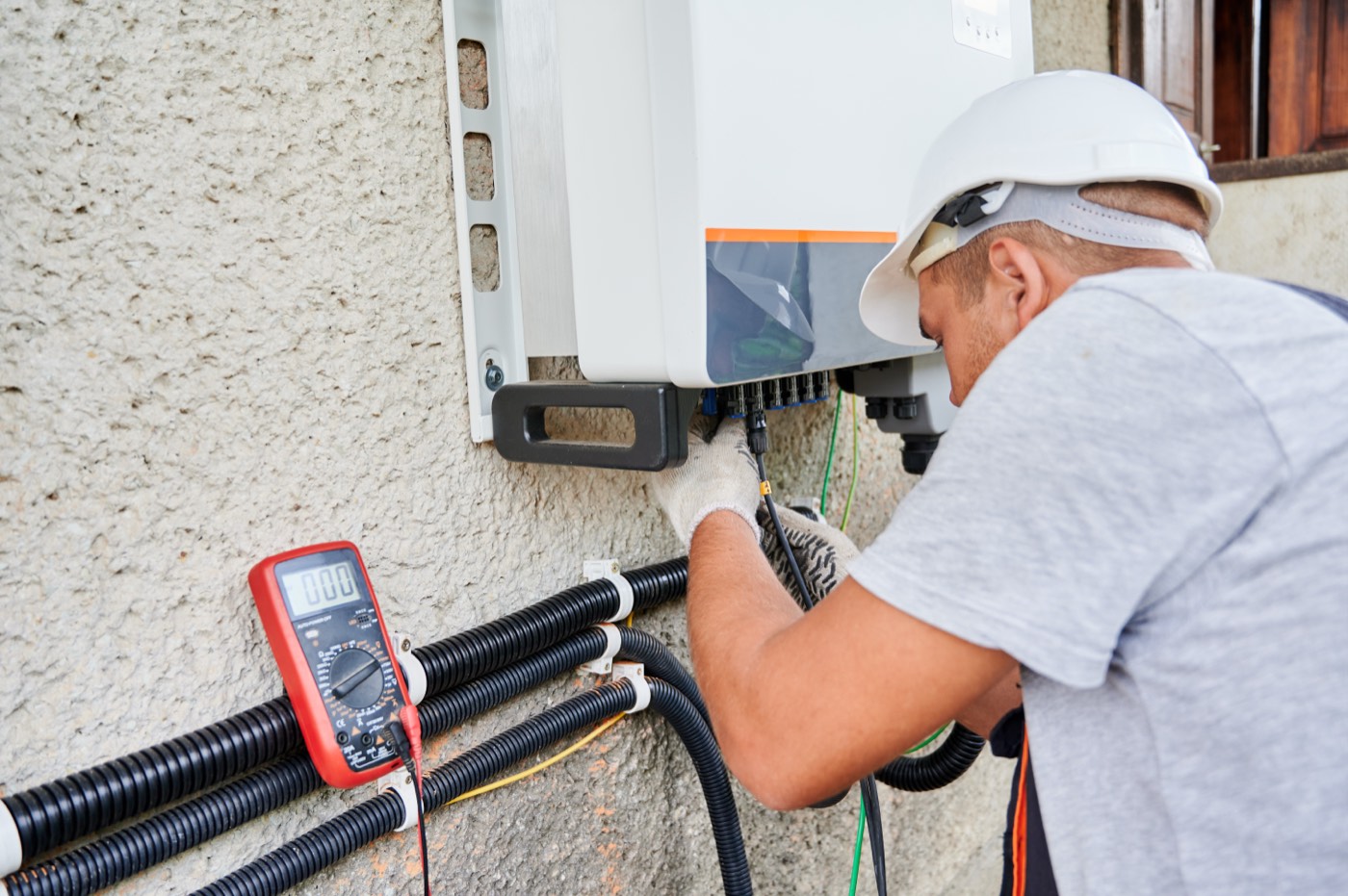
The people who measure your panel and wall space also manage the install, so details survive from the first visit to the last. A project lead checks the finished wiring and settings on site before we close the job.
02
Panel capacity checked before the battery
A battery adds a circuit, and backup wiring adds a subpanel, so your main panel needs amperage and breaker space for both. We check the bus rating and open slots first. Our electrical panel service can handle that work in the same project.
03
Sized to your evening use, not a sales target
Battery size starts from your bills and the loads you want covered. California net billing pays less for exported power than older net metering did, so storing power for your own evening use can make more sense than exporting it. We size to that, and we say so when a smaller battery fits.
04
Financing help with paperwork
Financing options may be available to qualifying homeowners. Our solar financing page explains how they work with a solar project, and we help with the forms. Approval depends on your property and provider.
What homeowners say about our work
Reviews.
Homeowners who made the switch.
Five reviews from our clients, unedited, from solar battery storage, financing, roofing and electrical work.
“
Exceptional service! The team at Majestic went above and beyond to install my solar panels. Couldn’t be happier with the results.
Homeowner
Solar installation
“
Majestic truly exceeded my expectations. Their solar financing options made it easy for me to go green without breaking the bank.
Homeowner
Solar financing
“
Highly recommend Majestic for their professionalism and expertise. They did an outstanding job with my roofing installation.
Homeowner
Roofing
“
Impressed by their attention to detail and efficiency. The electrical panel service they provided was top-notch. Will definitely use them again!
Homeowner
Electrical panel
“
I had my home rewired by Majestic and couldn’t be more pleased with the results. The team was courteous, knowledgeable, and efficient.
Homeowner
Home rewiring
Free estimate. Ready to see what a battery adds to your solar?
Tell us about your panels and your bills. We come out, look at the inverter, the main panel and the wall space, then tell you what is worth doing and what is not.
Call
Hours
Sunday to Thursday 9am to 5pm · Friday 9am to 1pm
The fastest way to book is a call or an email. Tell us your address, your panels and a good time to reach you. Have a recent electricity bill handy, since it helps us size the battery.
How solar battery storage holds midday power for the evening.
Storage is rated two ways. Capacity, in kilowatt hours, is how much energy the battery holds. Power, in kilowatts, is how much it can deliver at once. A battery with plenty of capacity but low power can run a few lights, not an air conditioner. Some energy is always lost when charging and discharging, so storage is never 100 percent efficient. The U.S. Department of Energy explains this in its guide to solar energy and storage basics. Lithium-ion is the most common battery chemistry. If you do not have panels yet, start with our solar panel installation page. And if the roof needs work first, solar integrated roofing is another route.
How solar battery storage installation runs, from site visit to switch-on.
The work runs in five stages, and each one ends with a check. First, we visit, review your bills and photograph the main panel and the wall where the battery will go. Next, we size the battery and the backup circuits with you, then file the permit and utility paperwork. After that, the crew mounts the battery, wires it to the inverter and panel, and labels each circuit. Then we test charging, discharging and backup transfer before the inspection. Last, we walk you through the app and the settings. Ready to see what fits? Book a free battery estimate and we will go over your panel with you. Our energy efficiency page covers upgrades that lower the load your battery has to carry.
Questions. Answers before you book solar battery storage.
What is solar battery storage?
Solar battery storage is a battery that holds the extra power your panels make during the day. Your house then uses that power later, usually in the evening, instead of buying it from the grid. The system has three parts: the battery, an inverter that converts power between direct and alternating current, and controls that decide when to charge and discharge. Most home batteries use lithium-ion cells. Some energy is lost each time you charge and discharge, so storage is never 100 percent efficient. Your result depends on your panels, your use and your rate plan, so we look at your bills first and explain what a battery would and would not do for you.
Will a solar battery work in a power outage?
It can, if the system is built for backup. A standard grid-tied solar system shuts down during an outage as a safety measure, so panels alone do not keep your lights on. With backup wiring, a battery can disconnect your house from the grid and power selected circuits. Most homes back up a few circuits, such as the refrigerator, lights, internet and a few outlets, because a large load like central air conditioning drains a battery fast. We pick those circuits with you and wire them to a backup subpanel. Ask us which loads fit your battery’s power rating, and we will list what runs and what does not.
Can I add a battery to my existing solar panels?
Often, yes. A battery can connect to an existing system in two ways. An AC coupled battery has its own inverter and ties in beside your current one, so it works with most existing systems. A DC coupled battery shares an inverter with the panels, which can suit a new system or an inverter swap. Which route fits depends on your inverter’s age and make, your main panel and how much wall space you have. For that reason, we inspect your equipment before quoting. If you do not have panels yet, our solar panel installation page explains how we plan that part.
How big a solar battery storage system do I need?
Size starts from two numbers. Capacity in kilowatt hours is how much energy the battery holds, and power in kilowatts is how much it can deliver at once. First, we read your past bills to find your evening use. Next, we list the loads you want to run in an outage and add up their power draw. For example, a 5 kW load running for two hours needs 10 kWh. The larger of the two needs sets the battery size. Because a bigger battery costs more, we also tell you when a smaller solar battery storage system covers what you actually use.
Should I get a battery with solar?
It depends on your goal and your rate plan. A battery makes sense if you want backup power, or if your utility pays less for exported power than it charges for evening power. California net billing works that way, so storing midday power for evening use can have value. A battery makes less sense if you rarely lose power and your plan has flat rates. Because the answer depends on your numbers, we do not push a battery on every job. During your free estimate, we compare your use, your panels and your goals, then tell you plainly whether a battery is worth adding now or later.
What happens when a solar battery is full?
When the battery reaches full charge, the system stops charging it and sends extra solar power to your house first. Anything left over goes to the grid, if your utility allows export, or the inverter cuts panel output to match your use. At night, or when panels make less than your house uses, the battery discharges until it reaches its set reserve level. You can usually set that reserve in the app, for example to hold some charge for outages. Because settings differ between products, we set them with you at commissioning and show you how to change them later.
Does solar battery storage need a main panel upgrade?
Sometimes. A battery adds a new circuit, and a backup subpanel adds another, so your main panel needs the amperage and breaker space for them. We check the bus rating, the main breaker and the open slots on site. If the panel is full or old, the options include a panel upgrade or a smaller backup subpanel. Our electrical panel service does the panel work, so one team handles it. We tell you which route is needed before work starts, and we do not add an upgrade the numbers do not require.
What happens during solar battery storage installation?
Installation follows five steps. First, we visit, review your bills and photograph the main panel and the wall where the battery goes. Second, we size the battery and choose the backup circuits with you. Third, we file the permit and utility paperwork the job needs. Fourth, the crew mounts the battery, wires it to the inverter and panel and labels each circuit. Fifth, we test charging, discharging and backup transfer, then walk you through the app. The schedule depends on permit and utility review times, so we give you the working timeline in writing after the site visit, not before it.
Can I finance solar battery storage?
Financing options may be available to qualifying homeowners and projects. Rates and terms come from the provider, not from us, and approval is never automatic, so compare offers before you sign. Eligibility depends on your property and the provider. Whether a battery qualifies for any program depends on that program’s rules, and those change, so we check the current terms with you instead of quoting them here. We help with the forms. Our solar financing page explains how financing works with a solar project, and we go over what may apply to solar battery storage during your free estimate.