Heat reflective paint for exterior walls in Northern California
With heat reflective paint, more sunlight bounces off your walls, so less heat reaches the rooms behind them.
About the service. A wall coating that bounces sunlight instead of soaking it up.
Dark or worn exterior walls soak up sun and pass that heat toward your rooms. Heat reflective paint, also called a cool wall coating, reflects more of that sunlight, so the wall surface stays cooler. Unlike a plain color change, its pigments are chosen for how they handle sunlight, including the invisible near-infrared part. As a result, some darker colors can reflect more than ordinary paint of the same shade. First, we check the wall: material, condition, sun exposure and insulation. Then we recommend a coating, or tell you when paint will not help. Savings depend on your climate, your walls and your cooling equipment, so we promise no number.
- Wall, sun exposure and insulation checked first
- Cool colors, not only white
- Prep and primer done to the coating maker's rules
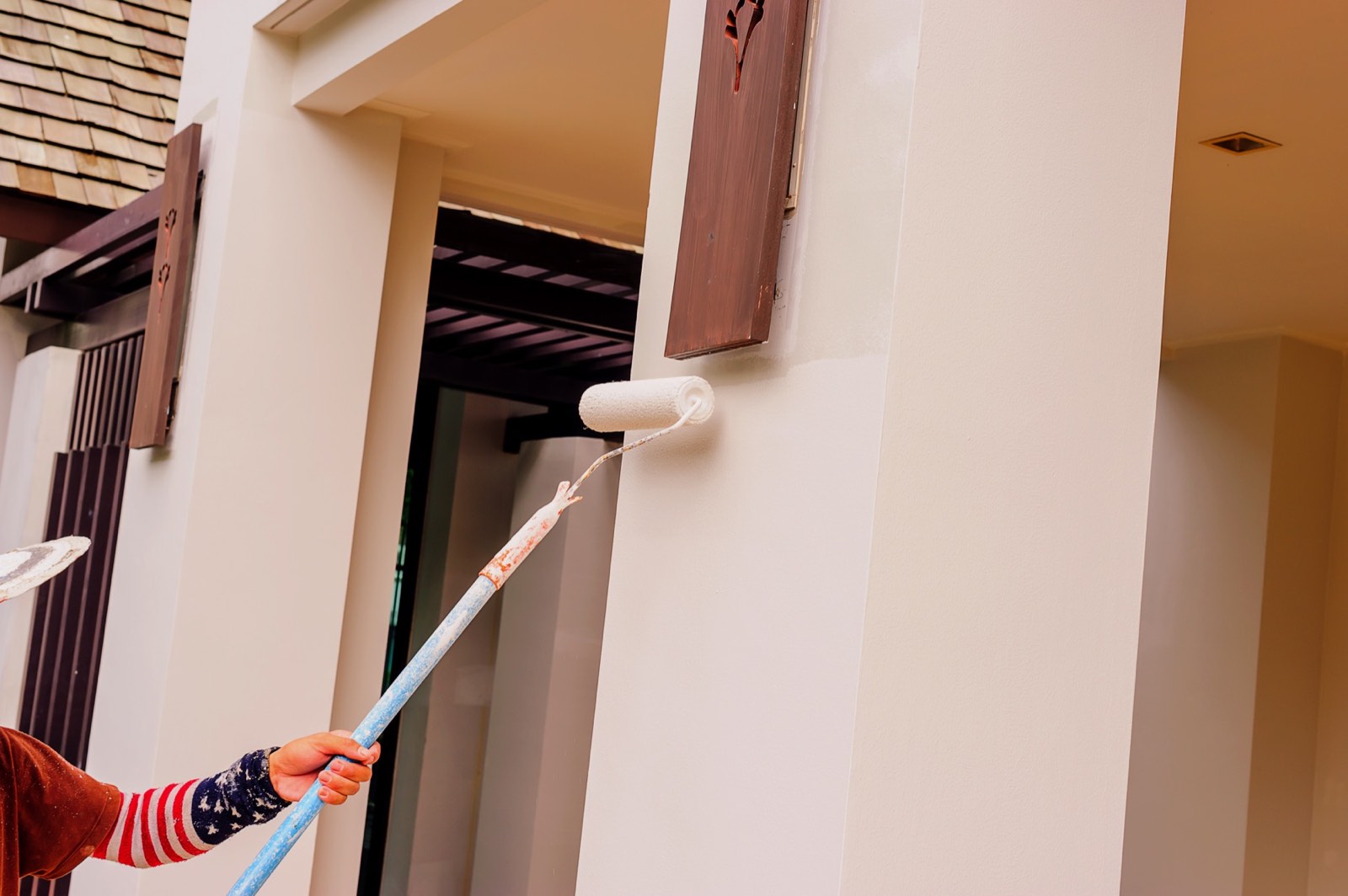
What we do. Four wall jobs that put heat reflective paint to work.
Each job starts with a look at the wall, its color and the sun it gets. For regular color work, see our interior and exterior painting page.

Reflective coating on stucco
Prep, primer and a reflective coating on stucco walls, with cracks and gaps sealed first.
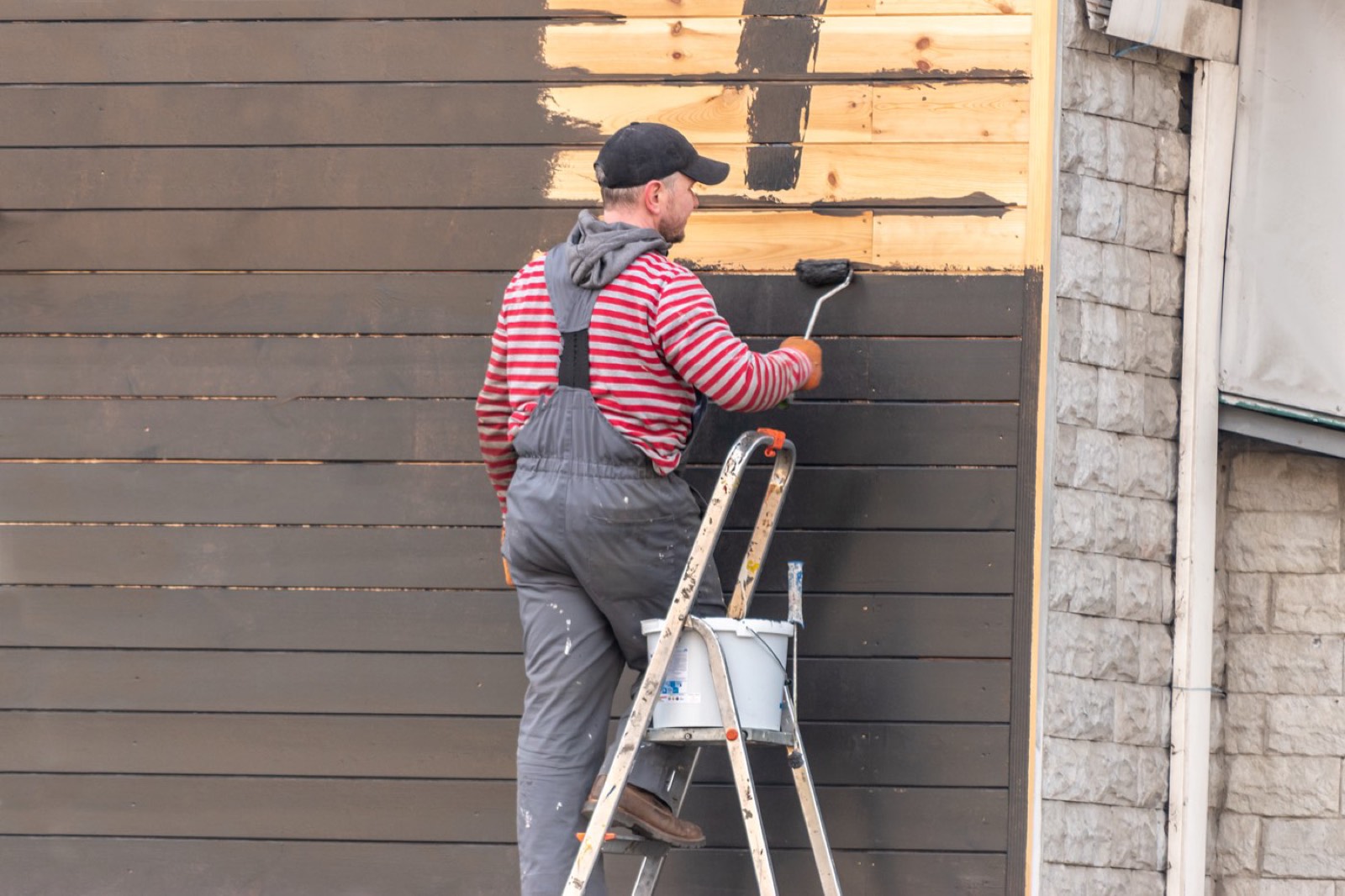
Cool color repaint
A repaint in a mid-tone or darker color made with infrared-reflective pigments, so the color stays and less heat gets in.
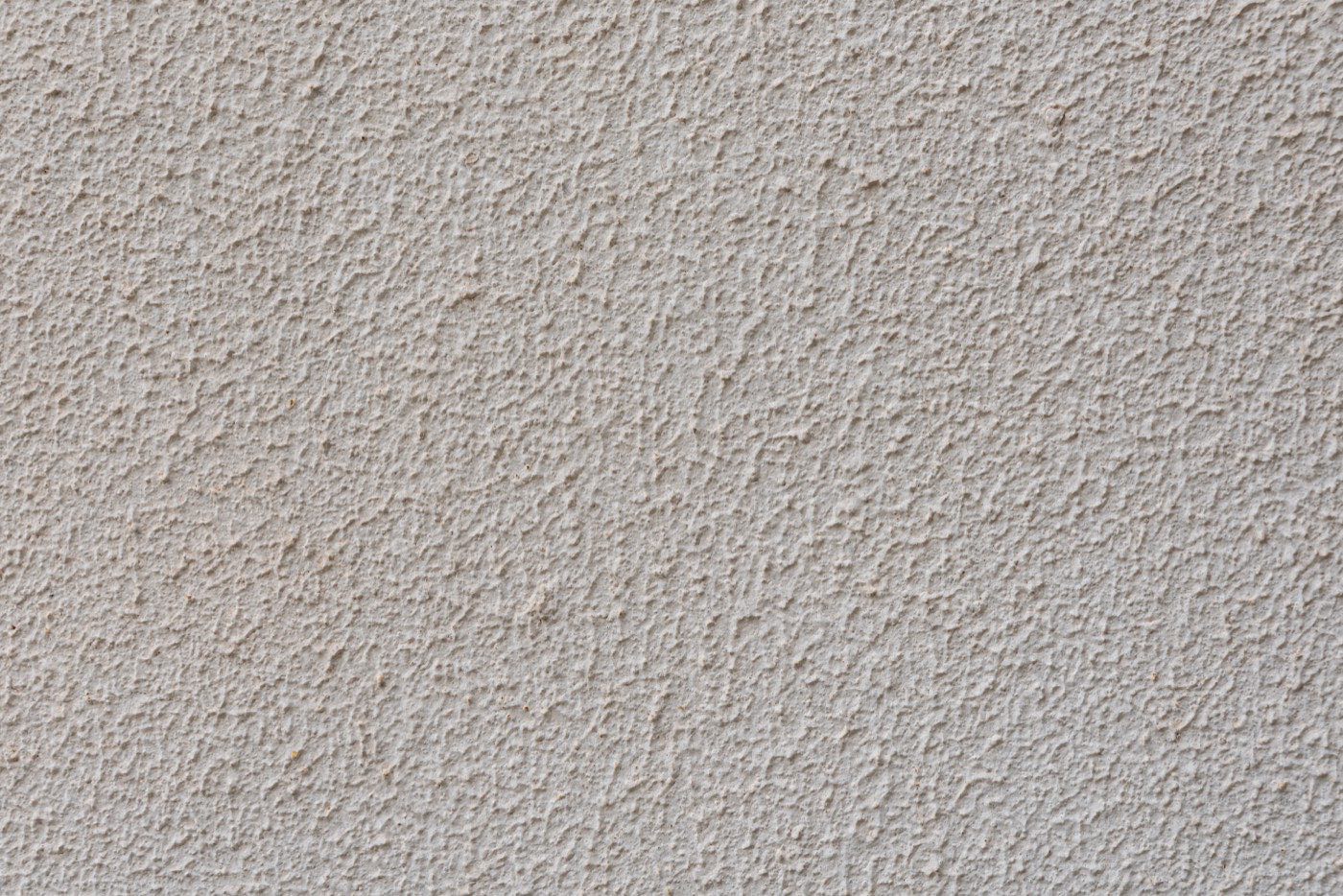
Flexible crack-bridging coat
An elastomeric coating that stretches over hairline cracks while it reflects sunlight.
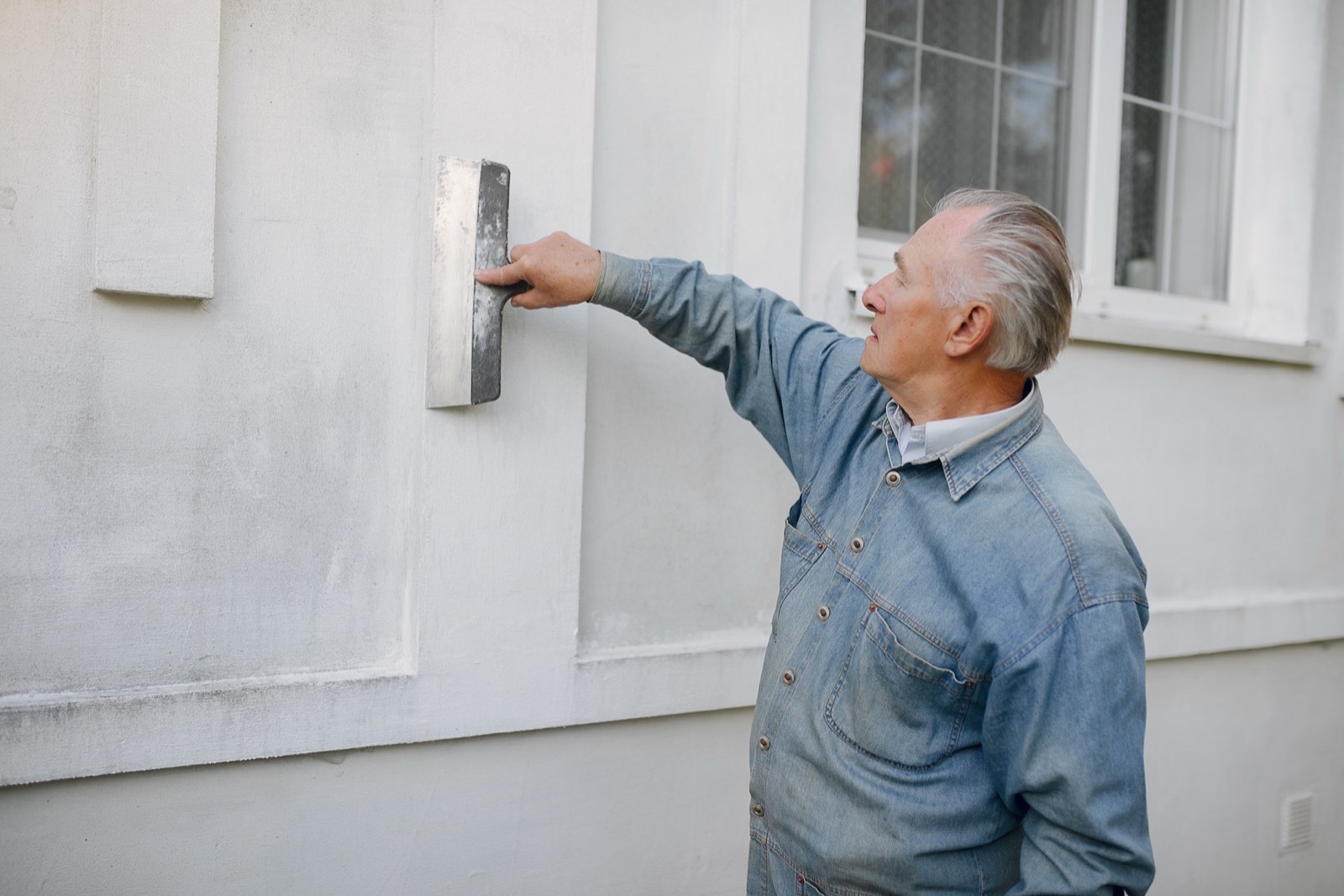
Wall prep and repair
Washing, patching, caulking and priming, so the new coating bonds to a sound surface.
Why us. Four habits behind our heat reflective paint work.
Each one applies to every wall we coat.
One crew from wall check to final coat
The crew that checks your walls also paints them, so details do not get lost between a sales visit and the job. At the end, we walk the walls with you and look for thin spots and missed edges.
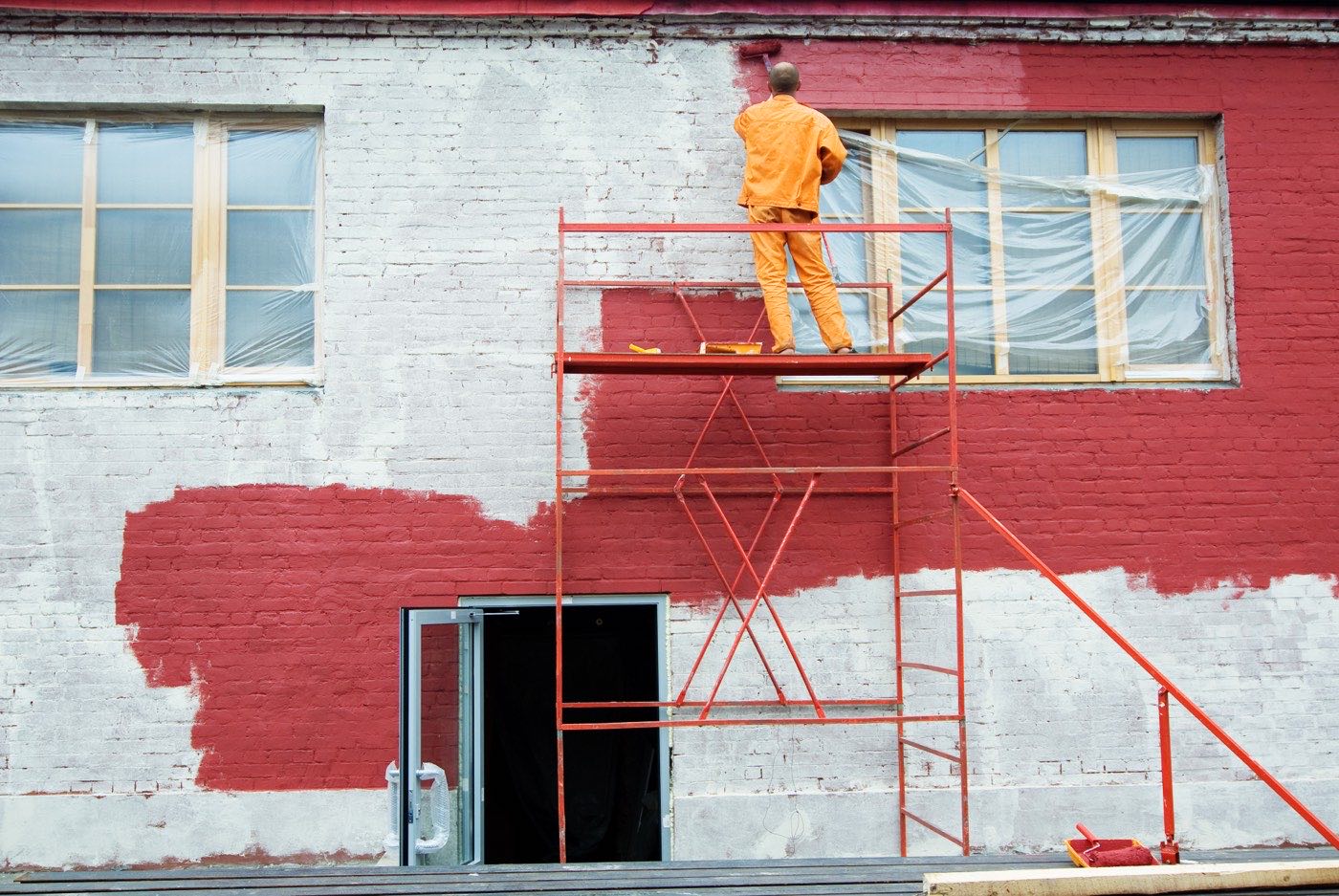
Sun exposure checked first
Research from Berkeley Lab shows the benefit depends on climate and wall direction. In cooler spots, a reflective wall can even add a little winter heating cost. For that reason, each wall gets a look before we recommend a coating.
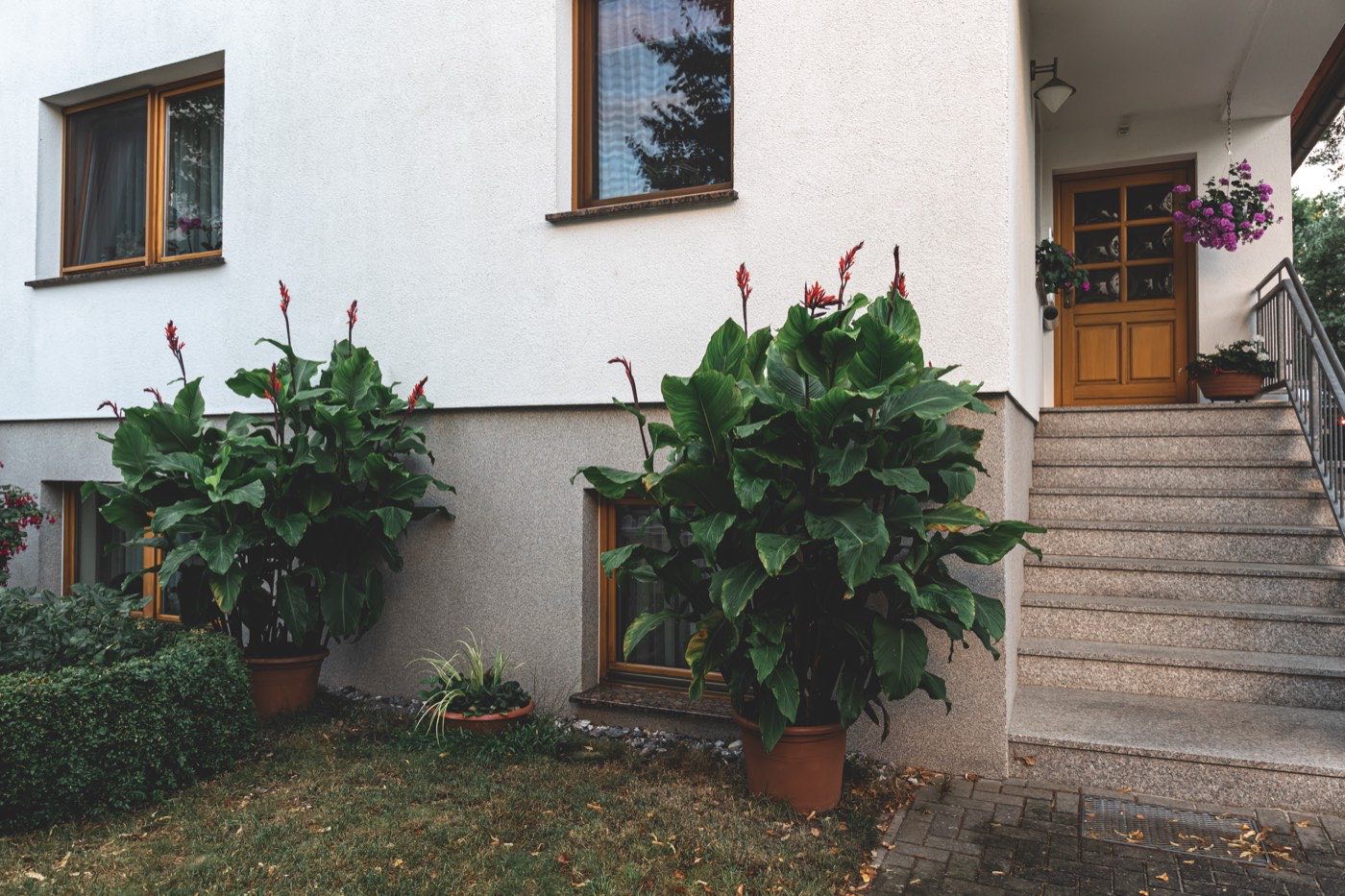
Cool colors without a white house
Cool walls do not have to be white. Infrared-reflective pigments let mid-tone and darker colors reflect more sunlight than standard paint. Some coating makers call for a white primer first, and our crew follows the product sheet.
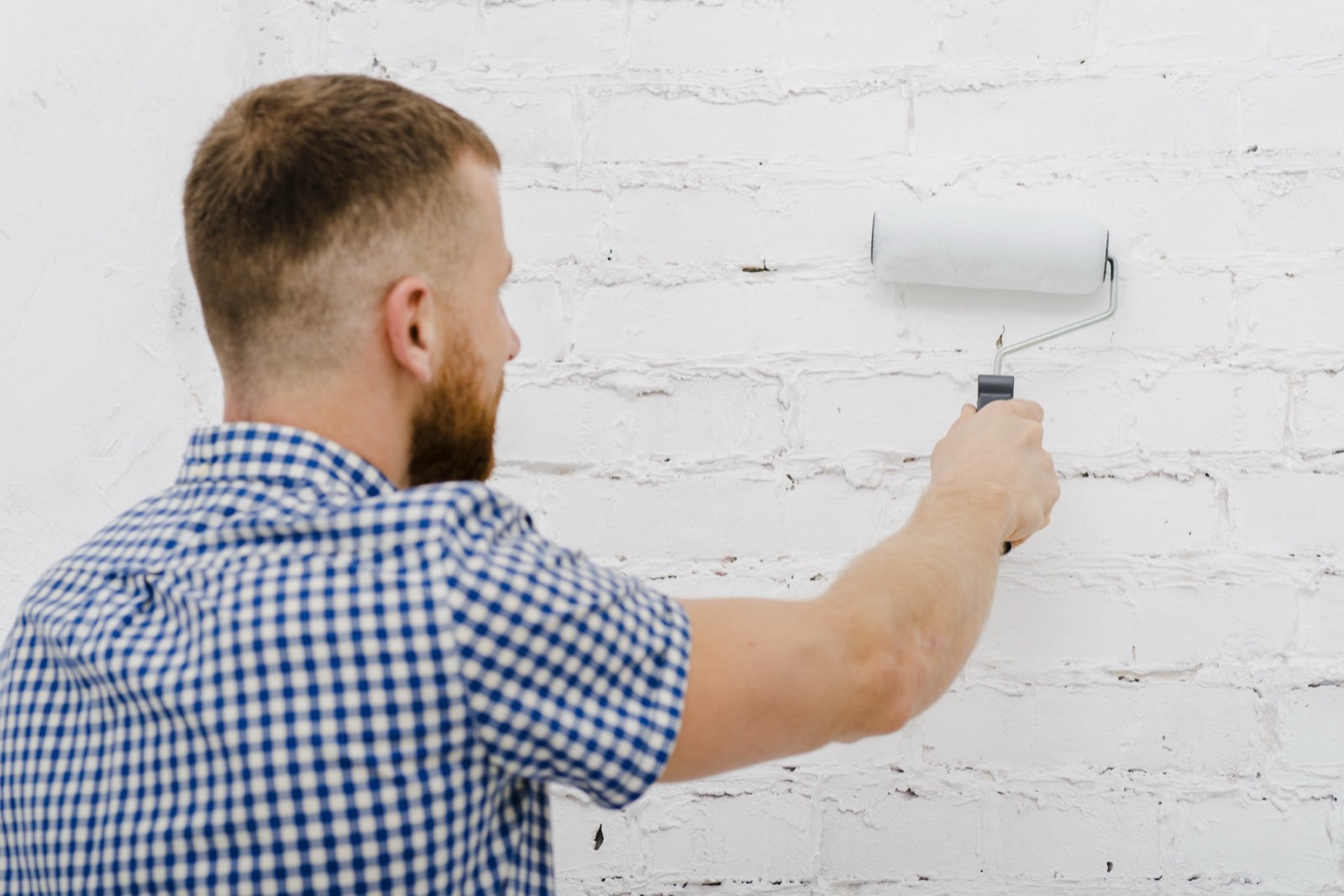
Financing help with paperwork
Financing options such as PACE may be available for qualifying homeowners. PACE is repaid through your property tax assessment. Incentives for wall coatings vary, so none is assumed. Our team explains what may fit and helps with the paperwork.
Before you book.
Five reviews from our clients, unedited: solar, financing, roofing and electrical work.
Exceptional service! The team at Majestic went above and beyond to install my solar panels. Couldn’t be happier with the results.
Majestic truly exceeded my expectations. Their solar financing options made it easy for me to go green without breaking the bank.
Highly recommend Majestic for their professionalism and expertise. They did an outstanding job with my roofing installation.
Impressed by their attention to detail and efficiency. The electrical panel service they provided was top-notch. Will definitely use them again!
I had my home rewired by Majestic and couldn’t be more pleased with the results. The team was courteous, knowledgeable, and efficient.
Free estimate. Ready to talk about heat reflective paint?
Tell us which walls get the most sun and what material they are. We come out, look at the walls, the paint and the insulation, and tell you what is worth doing and what is not.
Call or email to book. Tell us your address and which walls get the most sun.

The science. How heat reflective paint keeps heat out of your walls.
Sunlight carries visible light and an invisible near-infrared part, and a dark wall absorbs both. Heat reflective paint uses pigments that send much of that energy back, and a good coating also lets absorbed heat escape quickly. Because the wall stays cooler, less heat moves inward. Berkeley Lab and university partners studied cool walls for the California Energy Commission. Their work shows that savings depend on climate, wall construction, wall direction and air conditioner efficiency. Researchers say repainting older buildings, which tend to have less insulation, gives the greatest benefit. Meanwhile, the Cool Roof Rating Council runs a rating program for wall products, so you can compare reflectance numbers. Berkeley Lab explains the research on its cool walls page. A hot roof adds to the same load, so see our roofing contractor page too.
The plan. How a wall coating job runs, from check to final coat.
The work runs in four stages, and each stage ends with a check. First, we inspect the walls, test the old paint and note which sides get the most sun. Next comes a written scope with the coating, the color, the primer and the number of coats. A small test patch lets you see the color on your own wall. After you approve, the crew washes, patches, caulks and primes the walls. Then the coating goes on in even coats, and each one dries as the maker requires. Last, we walk the walls with you and leave the product data sheet. Hot rooms may also take sun through glass, so see our energy efficient windows page. Book a free wall coating estimate to start.
Questions. Answers before you book heat reflective paint.
What is heat reflective paint?
Heat reflective paint is a coating made to send more sunlight away from a wall. Its pigments reflect visible light and near-infrared energy, the invisible part of sunlight that carries much of the heat. Many products also release absorbed heat quickly. Because of that, the wall surface runs cooler than it would with a standard paint in the same color. Some people call it a cool wall coating or solar reflective paint. Results depend on the product, the wall and the climate, so each house gets an assessment first. Your visit covers the wall, the color and the sun it gets.
Will it lower the temperature inside my home?
It can help, but the effect varies. Berkeley Lab research shows that savings depend on climate, wall construction, wall direction and your cooling equipment. Older walls with little insulation tend to gain the most. In cooler areas, a reflective wall may add a little heating cost in winter, especially on sun-facing sides. For that reason, no savings figure is promised. Instead, a look at each wall tells you whether a coating is likely to be worth it. Sometimes insulation is the better first step. Our crew notes the walls that get the most sun during your visit.
Which walls benefit most from heat reflective paint?
Walls that take hours of direct afternoon sun benefit most. In many homes, those are the west and south sides. Thin insulation or dark paint also stands out, since both pass more heat inward. Shaded walls and well-insulated walls gain less. During your visit, our crew notes which sides get the most sun and which rooms run hottest behind them. Then you hear which walls to coat and which to skip. A smaller scope can save money, so each wall can be priced separately when it makes sense. First, we inspect the walls and test the old paint before anything is priced.
Can I get a dark color with heat reflective paint?
Often, yes. Cool walls do not need to be white. Infrared-reflective pigments let mid-tone and darker colors reflect more sunlight than ordinary pigments of the same shade. A pure white or very light color still reflects the most, though. To get the best result from a darker color, some coating makers call for a white primer under it. Product sheets guide each coating, and our crew follows them. Ask for a test patch, so you can judge the color on your wall before the rest gets painted. A small test patch lets you see the color on your own wall before the full job.
How is this different from regular exterior painting?
Regular exterior paint is chosen for color and weather protection. Heat reflective paint adds a second goal, which is to reflect sunlight. The prep stays just as important, so walls still get washed, patched, caulked and primed. However, the coating, the primer and the color are picked with reflectance in mind. For standard color work, see our interior and exterior painting page. If you want both a new color and cooler walls, mention it during the estimate, and one job can do both. Your estimate spells out the coating, the color, the primer and the number of coats.
Does heat reflective paint work on stucco?
Many coatings are made for stucco and other masonry, and some also suit certain siding. Product sheets list the surfaces each one is approved for, so the coating is matched to your wall. Prep decides how well it lasts. Crews wash off dirt and chalky paint, patch cracks and prime where the maker requires it. Hairline cracks can take a flexible, elastomeric coating that stretches with the wall. Wider cracks need repair first. The surface gets checked during the visit, and you hear what it needs before a quote. Each job starts with a look at the wall, its color and the sun it gets.
How long does a reflective coating last?
Life depends on the product, the prep, the sun and the weather. A well-prepped wall holds a coating much longer than a dirty or flaking one. Dirt and mildew can also lower reflectance over time, so a gentle wash now and then helps the wall keep its cooling effect. After the job, you get the manufacturer’s data sheet and care notes. Because warranties differ by product, the terms are shown in writing before you decide. Ask about recoating when you review the quote. Each stage of the job ends with a check, and we walk the finished walls with you.
Are there rebates or financing for wall coatings?
Incentives for wall coatings vary and are not common, so none is assumed. Financing options such as PACE may be available for qualifying homeowners and projects. PACE is repaid through your property tax assessment, so you repay it over time. It is not a grant. Eligibility depends on your property, your equity and the provider. Your free estimate covers what may fit your project. Our team explains what may fit and helps with the paperwork. Ask at your visit which programs may apply to your address, and what the paperwork involves.
Do I need a permit or HOA approval?
Painting rules differ by city, and many cooling rules in California focus on roofs, so wall coatings are usually a choice. An HOA is another matter. Many require approval for exterior color changes, and some limit the sheen or shade. Checking your HOA rules before you pick a color is wise. Your city’s requirements are worth confirming too. Raise both at your visit, and what applies to your address gets confirmed before any prep starts. Bring the answers to your estimate, so the color decision is made with them in hand.