
Energy efficient home improvements, planned as one system
Home assessments show where heat, air and power leak out, so the energy efficient home improvements you pick go in the right order across Northern California.
Seal the leaks first, then upgrade the equipment.
Houses lose energy through three paths: air gaps, thin insulation and old equipment. Energy efficient home improvements work best when one plan covers all three, because each upgrade changes what the next one needs. A tighter, better insulated house, for example, needs a smaller heat pump and a smaller solar array. First, we visit and look at the attic, walls, windows, ducts and panel. Then we rank the upgrades by what each one fixes and what it costs to install. Sealing and insulating usually come first, since they cost less per unit of heat saved than new equipment. Savings depend on your house and how you live in it, so we do not promise a figure.
- Whole-house assessment first, quote second
- Upgrades ranked and sequenced in writing
- Permits pulled where the work needs them

Four energy efficient home improvements that work together.
Each upgrade below can stand alone or run as part of one plan. We pick the mix after we see the house, not before.

01
Air sealing and attic insulation
We seal gaps around lights, wiring and the attic hatch, then blow insulation onto the attic floor to a marked depth. The cheapest heat to save is the heat that never leaves.
Air sealing
Insulation
02
Energy efficient windows
Double-pane Low-E units cut heat flow through the glass and block unwanted solar gain on sun-facing walls.
Low-E
Double-pane
03
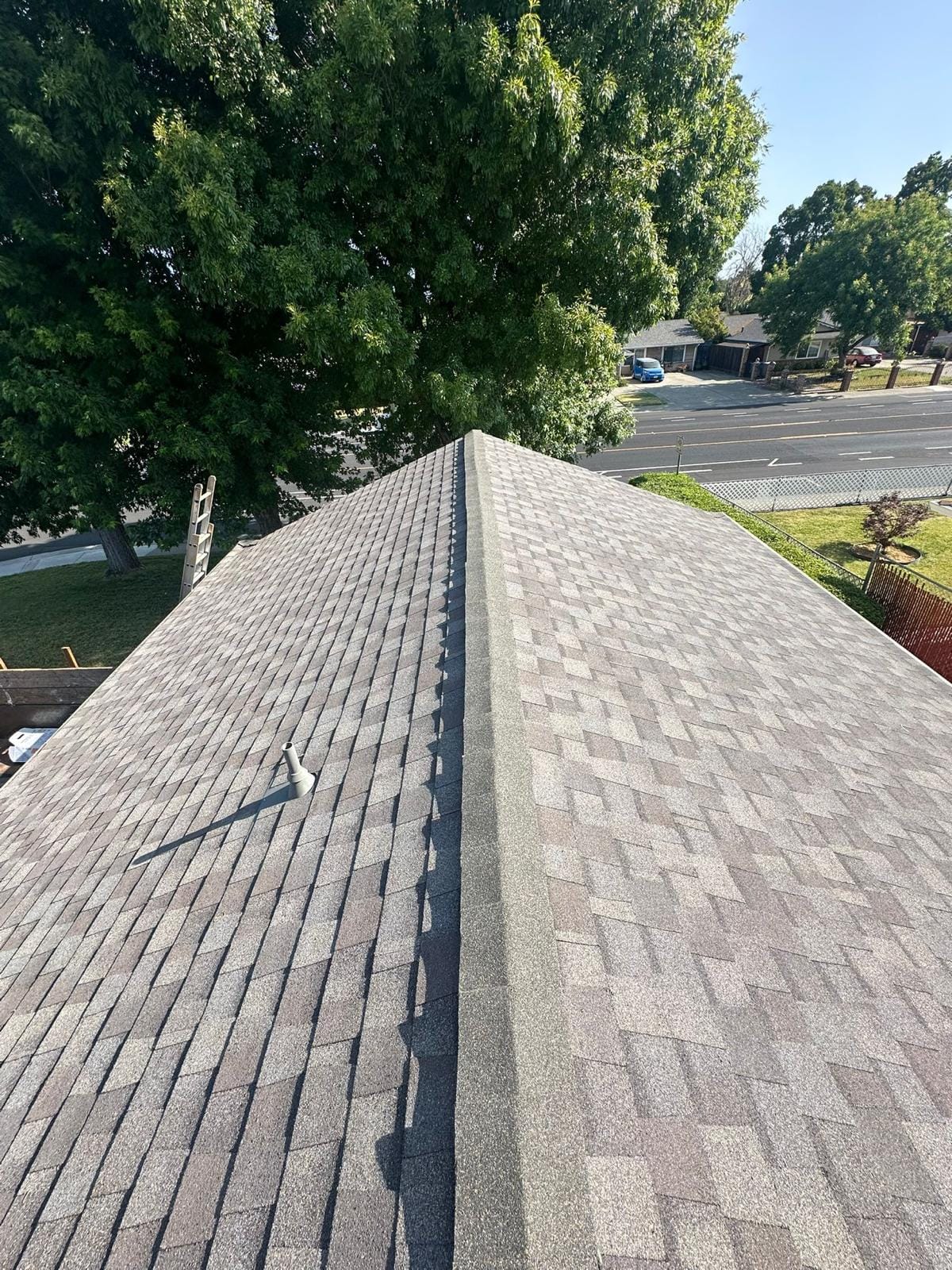
Roofing and reflective surfaces
A sound roof keeps the attic dry, and a reflective surface lowers the heat that reaches the ceiling below.
Roofing
04
Solar and battery storage
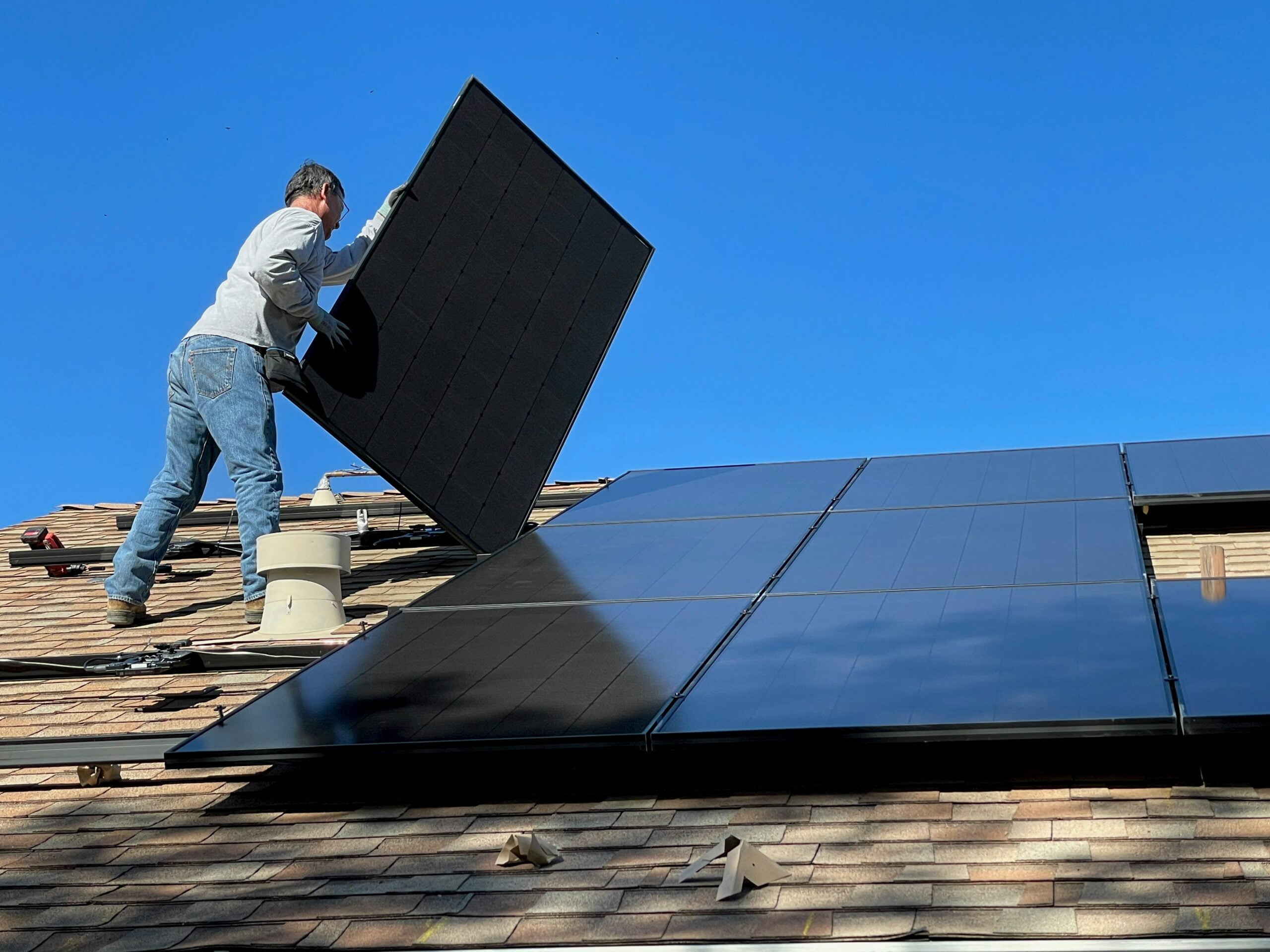
Once the house wastes less, a smaller solar system covers more of the load, and a battery can hold the surplus.
Solar
Battery
Why homeowners plan energy efficient home improvements with us.
Four things we do differently on every job.
01
We look before we price
We check attic depth, window condition, duct runs and the electrical panel in one visit. Then we price the energy efficient home improvements that fit your house, not a standard package.
02
Upgrades sequenced, not stacked
A new heat pump sized for a leaky house is oversized once the leaks are sealed. So we do the envelope first and size the equipment to the improved house.
03
One plan across trades
We plan roofing, windows, insulation and electrical work together, so nobody opens the same wall or ceiling twice.
04
Permits and paperwork handled
We pull the permits the work needs and file the paperwork for you. Financing such as PACE may be available for qualifying homeowners. Approval depends on your property and provider.
What homeowners say about Majestic.
Five reviews from our clients, unedited, covering solar, roofing and electrical work.
“
Exceptional service! The team at Majestic went above and beyond to install my solar panels. Couldn’t be happier with the results.
S
Sophia M.
Solar installation
“
Majestic truly exceeded my expectations. Their solar financing options made it easy for me to go green without breaking the bank.
D
David
Solar financing
“
Highly recommend Majestic for their professionalism and expertise. They did an outstanding job with my roofing installation.
M
Michael K.
Roofing
“
Impressed by their attention to detail and efficiency. The electrical panel service they provided was top-notch. Will definitely use them again!
E
Emily R.
Electrical panel
“
I had my home rewired by Majestic and couldn’t be more pleased with the results. The team was courteous, knowledgeable, and efficient.
J
Jennifer
Home rewiring
Ready to plan energy efficient home improvements?
Tell us what bothers you most, whether high bills, a hot upstairs, drafts or an old panel. We come out, look at the whole house and tell you which upgrade comes first.
Call
Hours
Sunday to Thursday 9am to 5pm · Friday 9am to 1pm
How energy efficient home improvements cut heat and power loss.
Three things set how much energy a house uses. Air leakage comes first, because moving air carries heat through gaps around lights, wiring and the attic hatch. Next comes insulation. Blown-in cellulose gives roughly R-3 to R-4 per inch, so an attic at R-38 needs about 10 to 12 inches. Last come the glass and the equipment, where double-pane Low-E windows and a heat pump cut the load that remains. ENERGY STAR lists these steps in its guide to home energy improvements. Each step also changes the next one. See our energy efficient windows, our roofing services, our solar panel installation and our battery storage for the full picture.
How energy efficient home improvements run, start to finish.
The work runs in four stages. First, we visit, check the attic, walls, windows, ducts and panel, and write down what we find. Next, we rank the upgrades and agree on the order, and you get a written quote. After that, crews seal and insulate first, then install windows, roofing or equipment in the order we agreed. Last, we walk through with you and show how each system works. Timing depends on the scope and on what we find behind walls and ceilings. Therefore, you get a written schedule after the visit. Ready to start? Book a free home assessment and we will go over your house with you.
Answers before you start energy efficient home improvements.
What are energy efficient home improvements?
Energy efficient home improvements are upgrades that cut the energy a house needs to stay comfortable. They fall into three groups. One is the envelope: air sealing, insulation, windows and doors. Equipment makes up another, such as a heat pump, a heat pump water heater or efficient lighting. Generation and storage form the last, such as solar panels and a battery. Envelope work usually comes first, because it lowers the load every other system has to meet. A tighter house also lets you buy smaller equipment. During your visit, we look at all three groups and list the upgrades that fit your home and budget.
Which energy efficient home improvements save the most?
No single upgrade wins in every house, so we measure first. In many older homes, air sealing and attic insulation return the most for the money, since warm air leaks up through the ceiling. Windows help most when the glass is single-pane or the frames leak. Heating and cooling equipment matters most when it is old and oversized. Leaky ducts can waste part of the air you pay to condition. Because the answer depends on the house, we check each of these during the estimate. Then we rank the upgrades in writing, so you see which energy efficient home improvements come first and why.
What is the best order for energy efficient home improvements?
The usual order runs from the envelope to the equipment. First, seal air leaks and add attic insulation. Second, replace failing windows and doors, and fix any roof problem that lets water into the insulation. Third, upgrade heating, cooling and water heating, sized to the improved house. Last, add solar and a battery to cover what remains. This order keeps you from buying equipment that is too big, because a furnace sized for a leaky house is oversized once the leaks are sealed. Still, a failed system may need replacing right away, so we adjust the sequence to your home.
How do I know where my house loses energy?
Start with signs you can see. Rooms that run hot or cold, drafts near outlets and doors, and high bills all point to a cause. A visit adds measurements. We check attic insulation depth in several spots, look for gaps around lights and wiring, inspect window seals and read the nameplates on the heating and cooling equipment. Some audits also use a blower door test or a thermal camera, which show leaks you cannot see. Ask us whether one fits your home. Then you get a written list of findings, ranked by how much each one matters.
Should I replace windows or add insulation first?
In most houses, insulation and air sealing come first. They usually cost less per square foot of surface treated, and the attic floor is where a large share of the heat crosses. Windows come next, mainly when the glass is single-pane, the frames leak or the sun overheats a room. A window is a small share of the wall area, so even a good window has limits. Our window installation page explains the ratings to compare. Still, a broken window or a rotted frame may need work now. At the visit, we tell you which fix suits each one, and you decide.
Do energy efficient home improvements lower my energy bills?
They can, but the amount depends on your house, your equipment and how you live in it, so we do not promise a savings number. Sealing and insulating cut the heat that crosses the ceiling and walls. A heat pump often moves more heat than the electricity it uses, which can cut heating costs against older equipment. Solar panels offset the power you still buy, and a battery can store the surplus. Each upgrade changes what the others need, so results vary. We estimate the effect of each upgrade at the visit and say so plainly when a project will not pay back quickly.
Are there tax credits or rebates for home energy upgrades?
Incentives change often, and each one has its own rules. Some federal tax credits for home upgrades have ended or been reduced, and utility rebates and local programs come and go. For that reason, we do not quote an amount on this page. Before you buy, check the current federal rules with a tax professional and ask your utility about rebates in your area. Some programs require rated equipment, so ask before you order. Financing such as PACE may be available for qualifying homeowners and is repaid through your property tax assessment. Approval depends on your property and provider.
How much do whole-home upgrades cost?
The price depends on which upgrades you choose, the size of the house and what we find behind the walls and in the attic. A sealing and insulation job costs far less than a window package, and a heat pump or a solar system costs more again. Access also matters, since a tight attic hatch or a steep roof slows the crew. For that reason, we do not post a price range here. Instead, we assess the house during a free visit. You get a written quote that lists each upgrade separately, so you can compare it with other bids and phase the work at your own pace.
How long does a whole-home project take?
Time depends on the scope. Sealing and insulating an attic is usually a shorter job than replacing windows, a roof or heating equipment. Custom windows and special-order equipment add lead time before installation day, and permits can add time too. Weather matters for roofing and exterior work. Because several upgrades may share one schedule, we plan the order so crews do not open the same wall twice. For that reason, we give you a written schedule after the visit, not before it. On the day, the crew protects your home, does the work and cleans up before leaving.