Energy-efficient upgrades & remodeling · Financing options may be available for qualifying homeowners
License #1072607
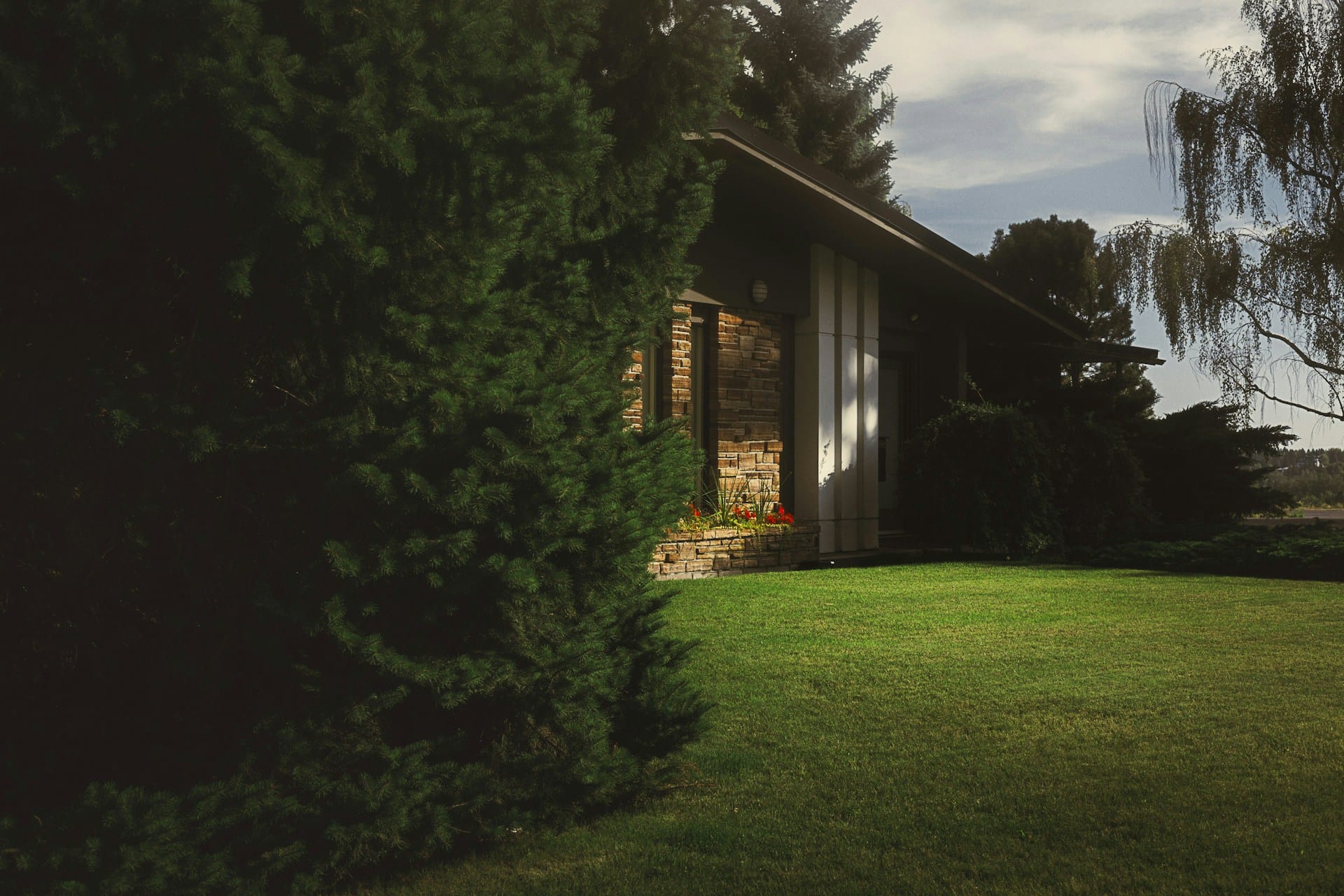
Our landscaping services start with the yard itself. Water, sun and soil decide whether a planting lives or struggles, so the first visit is a walk of the yard, not a sales pitch. We note where water pools, which areas get afternoon sun and how the soil behaves after rain. Then we draw a plan that places each plant, path and irrigation line for those conditions. The EPA reports that outdoor use makes up nearly 30 percent of household water use in the U.S., so how you water matters as much as what you plant. However, the right layout still varies by lot, slope and how you use the space. We build only what suits your yard, and we say so when a feature will not.
Which ones you need depends on your lot, slope and budget. We tell you the order of work after we walk the yard.
Plants matched to your sun and soil, set in beds with room to grow. Lawn renovation where the turf is worth keeping.
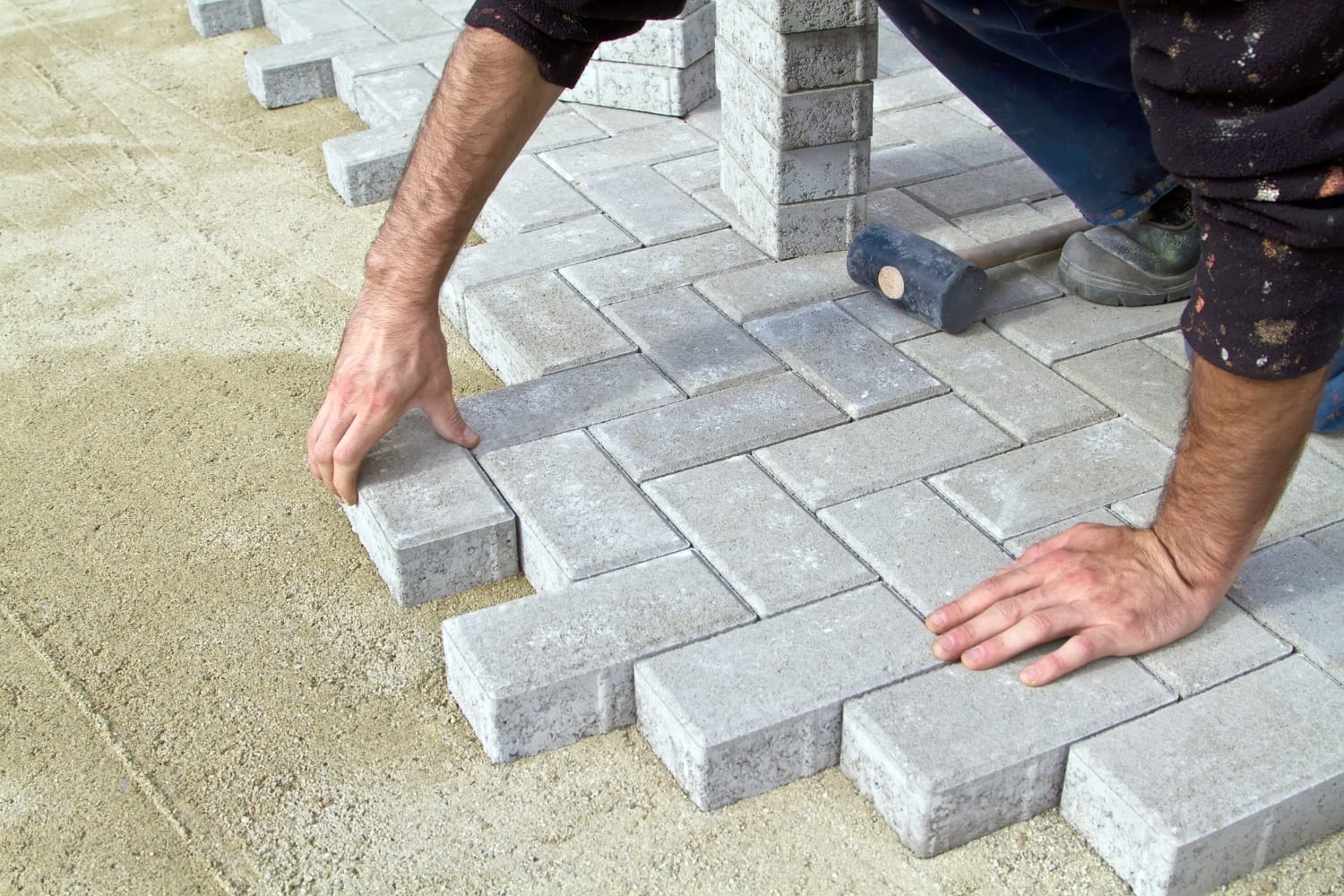
Pavers, natural stone or concrete laid on a compacted base. See our hardscaping page for materials.

Ground shaped to carry water away from the house, with drain lines where the lot needs them.

Planters, shelving and shade for balconies, patios and tight side yards where beds will not fit.
Four things we do differently on every yard.
Paths and patios fail from the bottom up. We excavate, compact and level the base before a single paver goes down, because a base that settles takes the surface with it. A project lead checks levels on site before we close out.

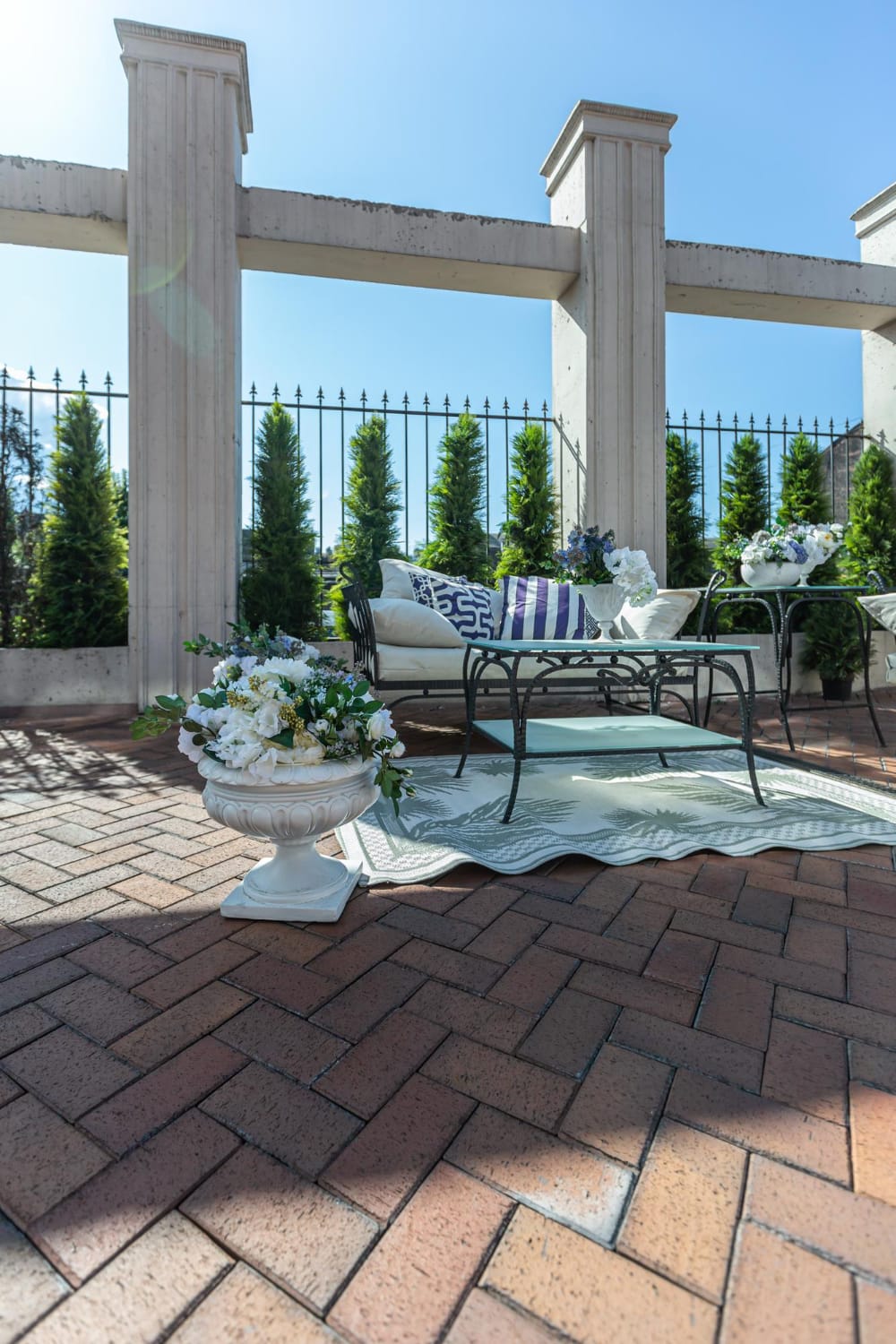
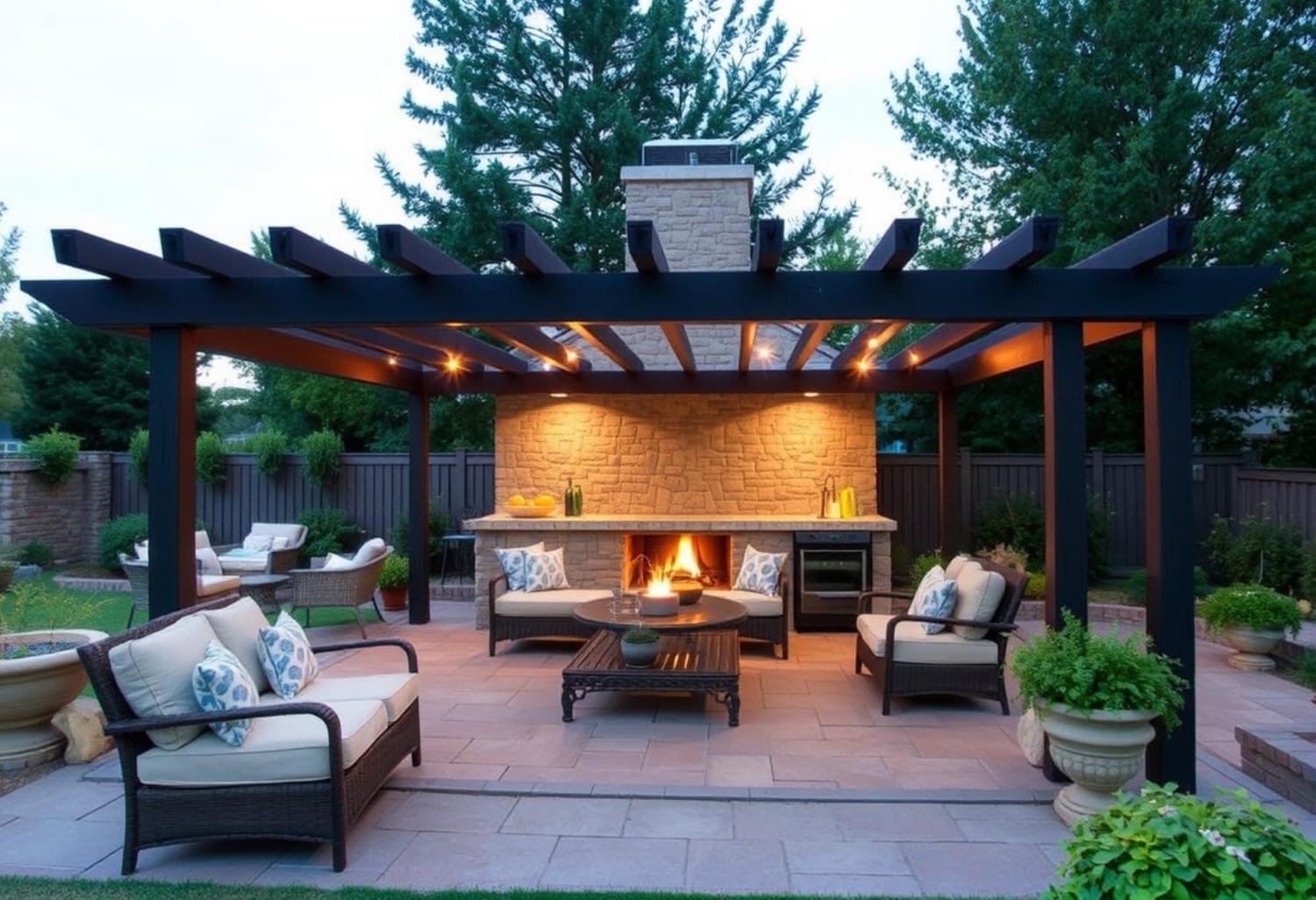
Beds, paths and patios share one plan, so water running off a patio does not flood a bed that cannot take it. Evergreen screens, planters and paving get placed together, which keeps the yard looking finished.
We note afternoon sun, wind and how the soil drains, then pick plants that tolerate those conditions. A plant in the wrong spot costs more to replace than the right one costs to place.
We space plants for their mature size, not their size in the pot. Crowded beds need constant cutting back and invite disease, so we leave room and fill the gaps with mulch until the plants spread.
Five reviews from our clients, unedited: solar, financing, roofing and electrical work.
Exceptional service! The team at Majestic went above and beyond to install my solar panels. Couldn’t be happier with the results.
Majestic truly exceeded my expectations. Their solar financing options made it easy for me to go green without breaking the bank.
Highly recommend Majestic for their professionalism and expertise. They did an outstanding job with my roofing installation.
Impressed by their attention to detail and efficiency. The electrical panel service they provided was top-notch. Will definitely use them again!
I had my home rewired by Majestic and couldn’t be more pleased with the results. The team was courteous, knowledgeable, and efficient.
Tell us about your yard, your drainage problems and what you want to plant or build. We will walk the yard, check the drainage and soil, then tell you what is worth doing and what can wait.
The fastest way to book is a call or an email. Tell us about your yard, your drainage problems and a good time to reach you.
Water finds the lowest path. Compacted or clay-heavy soil holds water near roots and near the foundation. Sandy soil drains so fast that plants dry out between waterings. So we check how the ground drains before choosing plants, and we set each bed where its plants can live. The EPA’s WaterSense program explains how outdoor watering uses household water and how to plan it: start saving water outdoors. Drip irrigation zoned to each planting area puts water at the roots. Grading sends runoff away from the house. These steps run before planting, because a plant set in standing water usually struggles.
Landscaping runs in five stages, and each one ends with a check before the next begins. First, the site walk: we note where water pools, which areas get afternoon sun and how the soil behaves after rain. Second, one plan: planting, paths and irrigation lines are drawn together, so each one fits the others. Third, grading and drainage: the ground is shaped and drained before any base or planting goes in. Fourth, base, planting and irrigation: paths and patios sit on a compacted base, then plants and irrigation go in. Last, a final walkthrough, where we walk the finished yard with you and go over care for the plants. Ready to see which steps your yard needs? Book a free landscaping estimate and we will walk the yard with you.
Our landscaping services cover four areas: planting beds and lawns, patios and walkways, grading and drainage, and containers for small spaces. The first visit is a walk of the yard, where we note water pooling, afternoon sun and how the soil drains after rain. From there, we draw one plan that places plants, paths and water lines together so they fit each other. Which services you need depends on your lot, slope and budget. After the walk, we explain the order of work, starting with grading before any planting goes in. We build only what suits your yard, and we tell you plainly when a feature will not work.
Cost depends on lot size, slope, grading, materials and how much planting you want. We do not quote a number before we see the yard, because drainage and soil change the price more than square footage does. At the free estimate, we walk the site, check the drainage and soil, and then give you a written scope. Compare scopes line by line. The lowest number often leaves out drainage, base work or irrigation. Ask what each line covers before you sign, and ask for the order of work so you can see which items come first. Ask us to name the materials and labor in every line.
Yes. Water pooling near the house is one of the first things we check on the site walk. Our crew shapes the ground so runoff moves away from the foundation, and adds drain lines where the lot needs them. That work comes before any planting or paving, because a bed or patio placed on wet, unshaped ground settles and stays soggy. Clay-heavy soil holds water near roots, so we check how it drains before picking plants. If your yard needs drainage work, we plan it in the same scope as the planting, so the work is sequenced once and not patched later. Ask us about the drain route at your estimate.
For each area, we note how much afternoon sun it gets, how much wind it takes and how the soil drains after rain. Those three conditions decide which plants will live. We then match each plant to its spot, rather than to the pot it came in. Spacing matters too. We space plants for their mature width, which usually means more room than a nursery pot suggests. Crowded beds need constant cutting back and invite disease, so we leave room and fill gaps with mulch until the plants spread. You get the full plant list with the plan, so you can see what goes where and why.
Yes. Drip irrigation delivers water slowly to the root zone of each planting area, so less water runs off or evaporates. Each zone gets its own run time, because a lawn and a shrub bed rarely need the same amount. The EPA reports that outdoor use makes up nearly 30 percent of household water use in the U.S., so zoning matters. We design the irrigation with the planting plan, so each line reaches the bed it serves. Lines are placed before the mulch goes down, which keeps them easy to repair later. Ask at your estimate how the zones will be controlled and which parts of the yard get their own.
Yes. Patios and walkways are laid with pavers, natural stone or concrete. Each one sits on a compacted base, because the base carries the surface and holds it level over time. We excavate, compact and level that base before any paver goes down. A project lead checks the levels on site before we close out the job. For material options and how each one wears, see our hardscaping page. We help you choose the surface that fits how the space gets used, whether that is daily foot traffic or a quiet seating area for weekends.
Sometimes. Lawn renovation makes sense where the turf is worth keeping and the ground underneath is sound. On the site walk, we check the soil and drainage first. If the lawn stays wet after rain, we explain what needs to change before any seed goes down. Reseeding over a drainage problem wastes the work, because the new grass will drown in the same spot. So we fix the ground when it needs fixing, then renovate the turf. We will tell you plainly when a lawn is not worth saving, and what you could plant there instead.
Yes. Balconies, patios and tight side yards often have no room for beds, so we use planters, shelving and shade instead. Containers dry out faster than in-ground beds, so watering has to match their size and how much sun they get. We match plant choice to the light each spot receives, and we pick containers with drainage holes so roots do not sit in standing water. Tell us the size of the space and how many hours of sun it gets. We will recommend a setup that fits and explain how often it will need water.
At the final walkthrough, we go over how to water, feed and prune each planting area. We leave a written maintenance guide that matches the plant list, so you know what each plant needs and when. Early watering matters most, because new roots need steady moisture to spread. The first few months set the pattern for the whole yard. If you want ongoing care after installation, ask at your free estimate. We will explain what that arrangement covers and what it leaves to you, so you know what is included before you agree to it.