
HVAC contractor for heat pumps, furnaces and ducts in Northern California
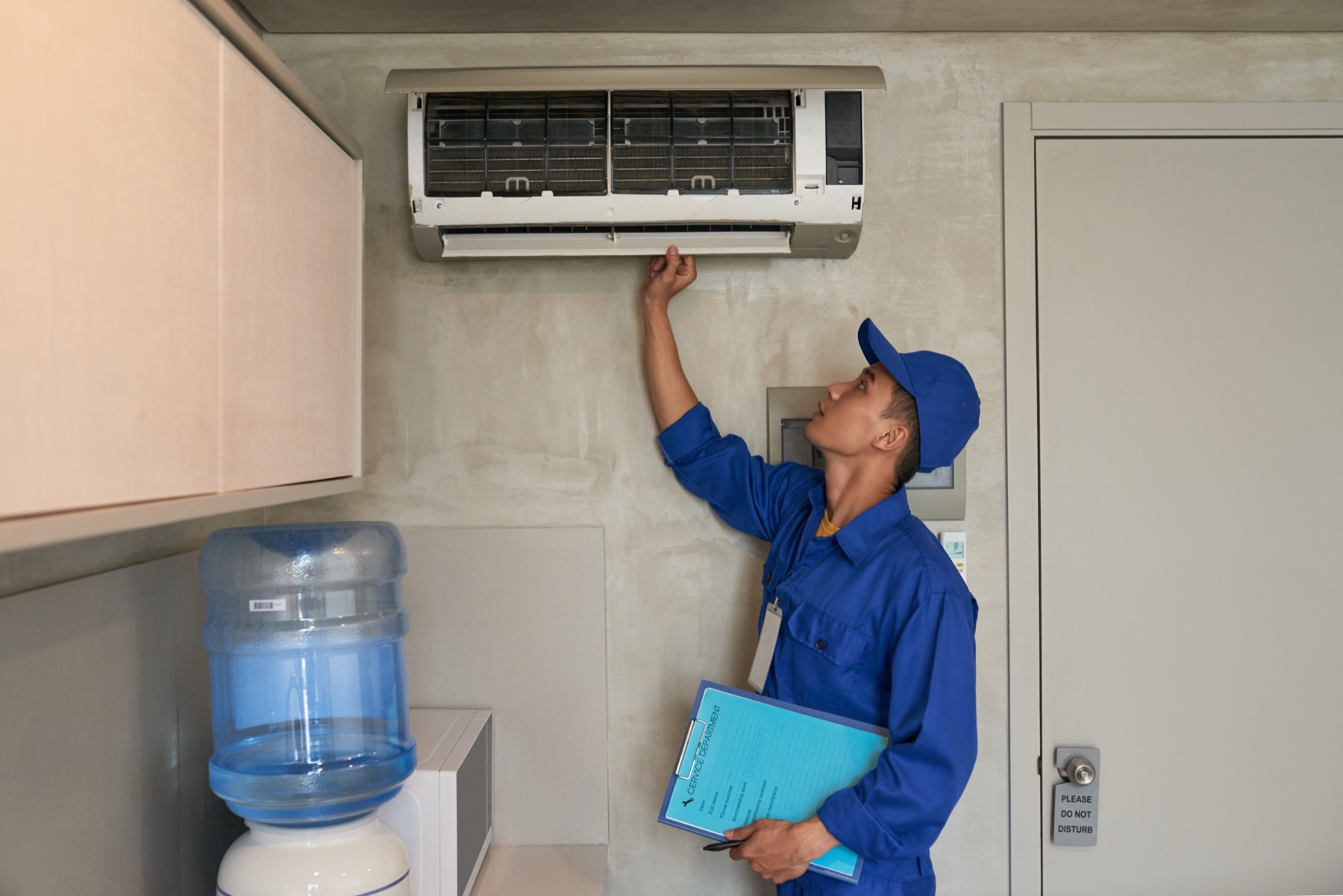
An HVAC contractor measures your system's size and ducts before we quote a new unit.
About the service. An HVAC contractor should size the system before selling it.
HVAC contractor work starts with the house, because many comfort problems come from a system of the wrong size. A unit that is too big cools the air fast, shuts off, and leaves humid rooms behind. So our crew runs a Manual J load calculation first. That calculation counts your walls, windows, attic and ducts. Then we pick equipment to match it, not the other way around. We install heat pumps, furnaces, air conditioners and ductwork. ENERGY STAR reports that heating and cooling make up almost half of a typical household energy bill, so sizing pays off for years.
- Load calculation first, equipment second
- Heat pumps, furnaces, air conditioners and ducts
- Planned to the Title 24 rules that apply to your job
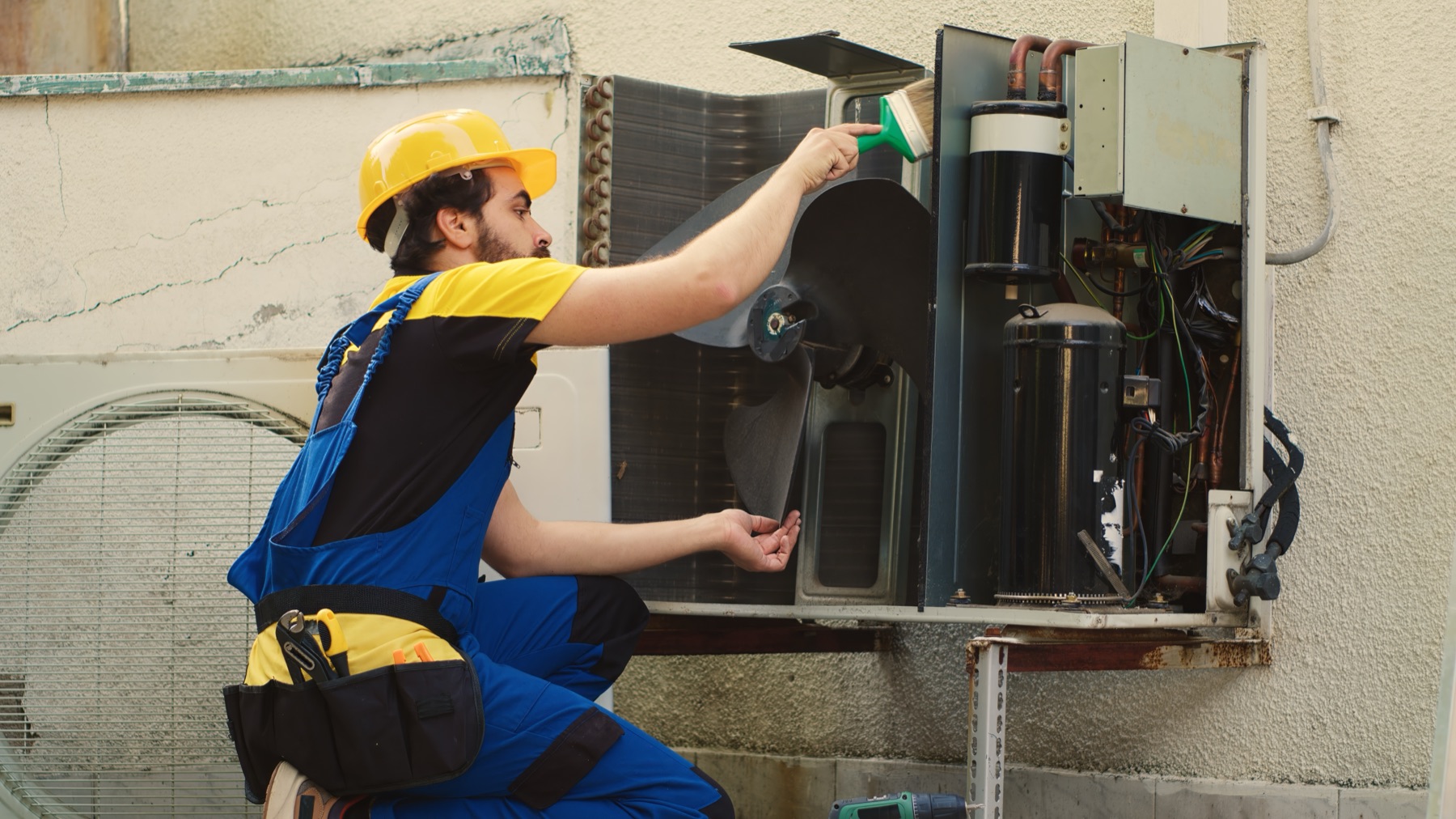
What we do. Four systems our HVAC contractor team installs.
Each job starts with a load calculation and a duct check. We tell you which option fits after we see the house.

01
Heat pump installation
One unit heats and cools by moving heat, not making it. A fit for many mild Northern California winters.
Manual J
HSPF2
02
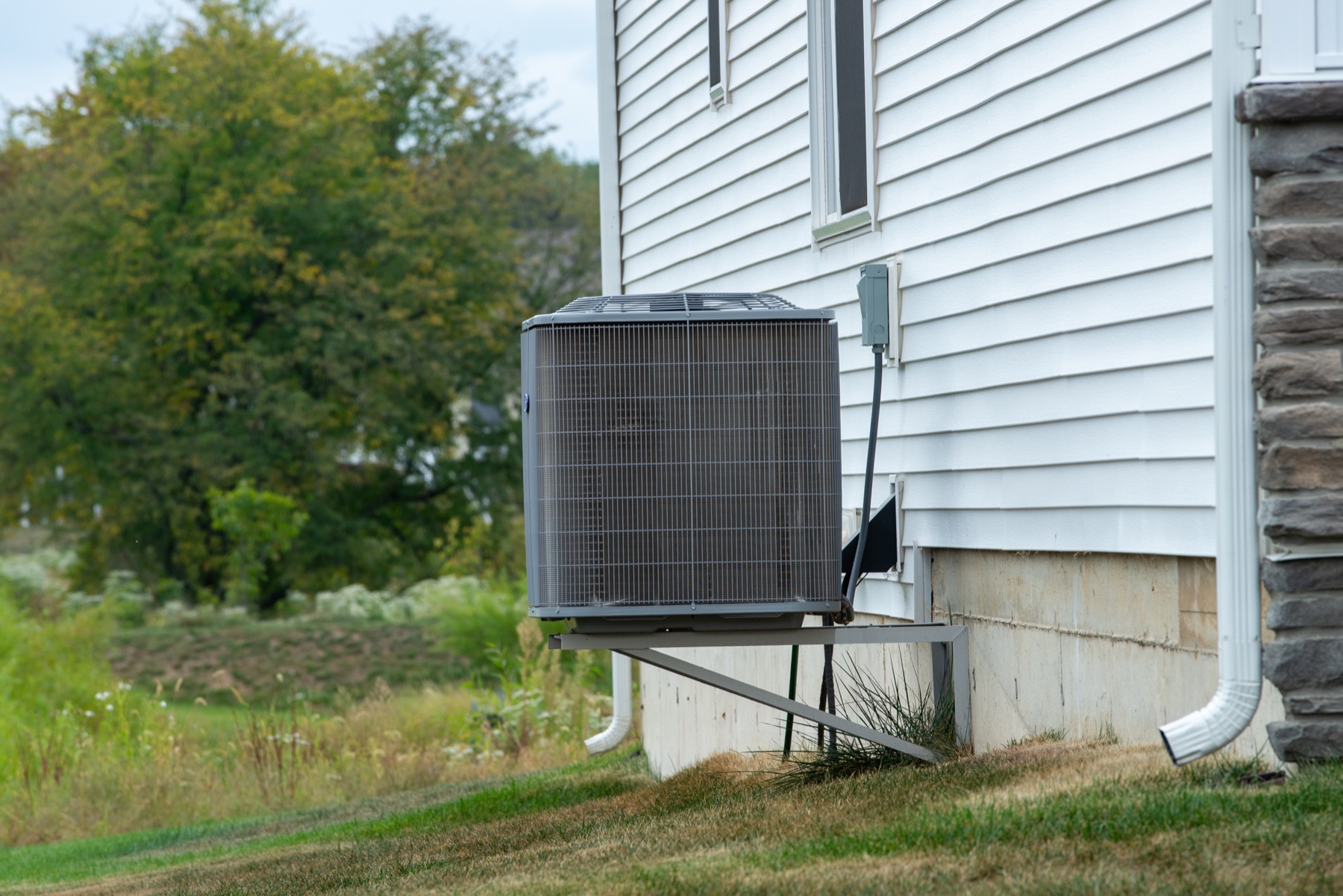
Air conditioner replacement
A correctly sized outdoor unit and coil for homes that already have ducts. We test airflow and refrigerant charge at startup.
Manual S
SEER2
03
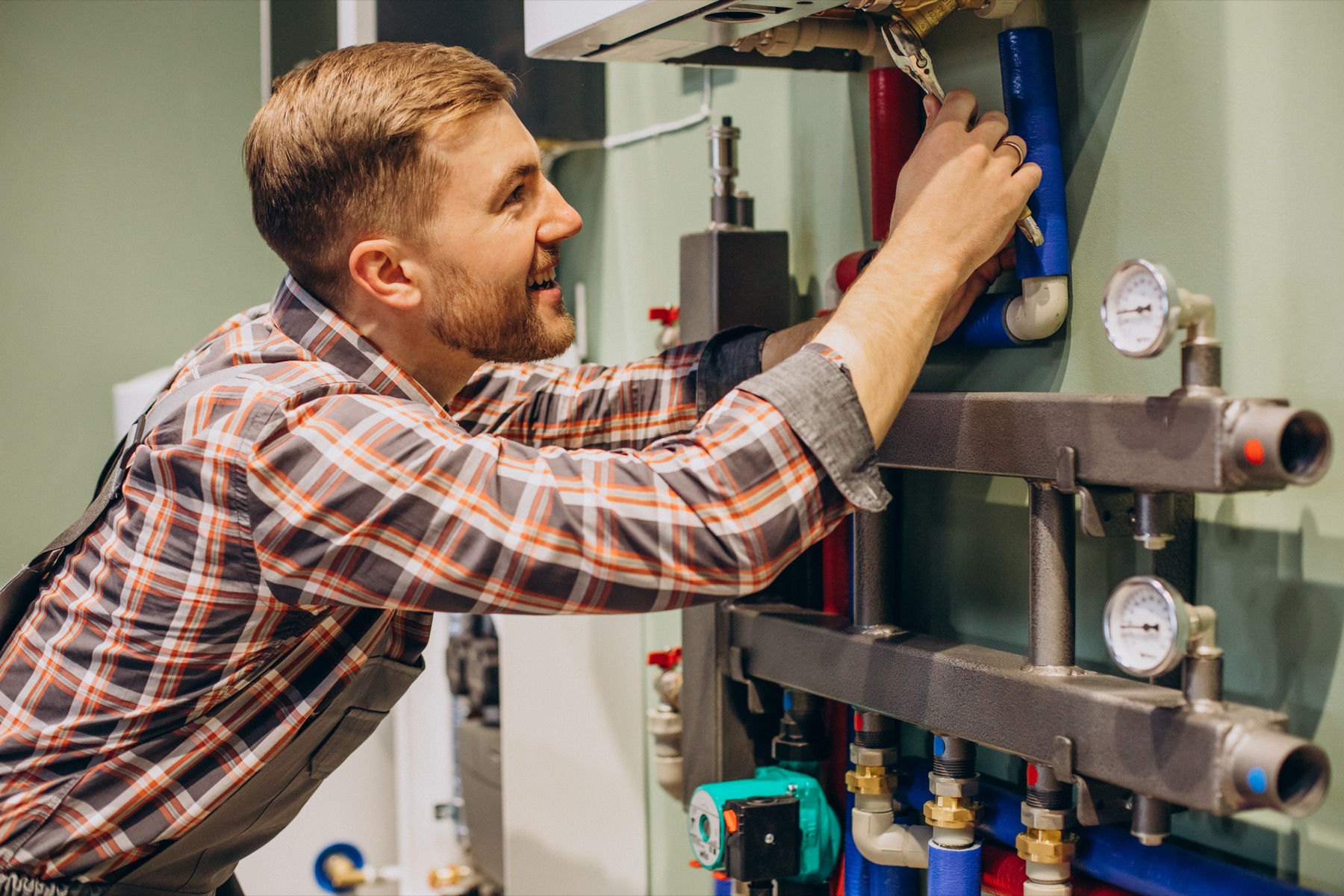
Furnace replacement
A new furnace sized to the house, or paired with a heat pump as backup for cold nights.
AFUE
04
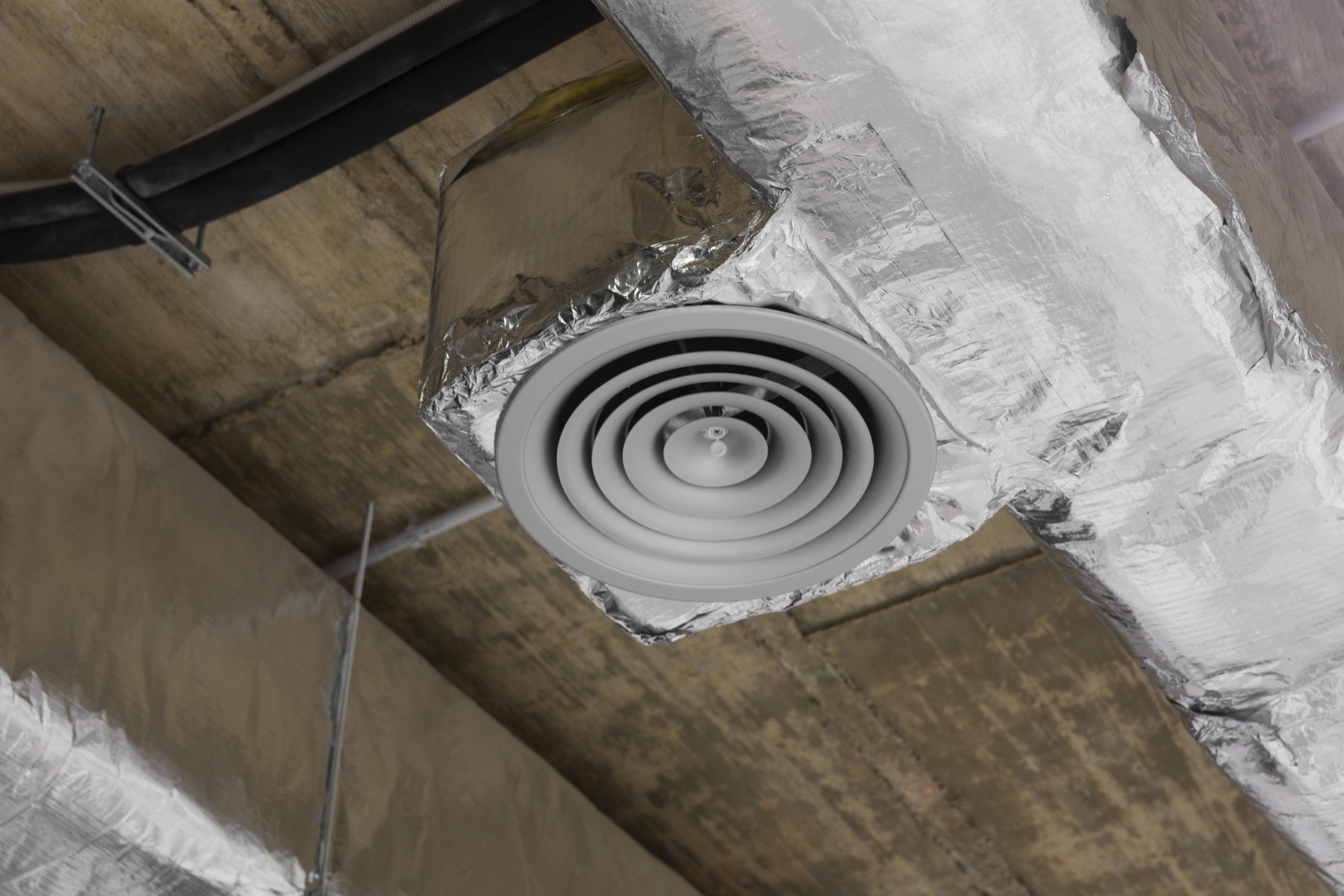
Duct repair and sealing
Leaky ducts waste conditioned air. We seal, insulate and size them to the new airflow.
Manual D
Sealing
Why us. Why homeowners pick our HVAC contractor team for heat pumps.
Four things we do on every system.
01
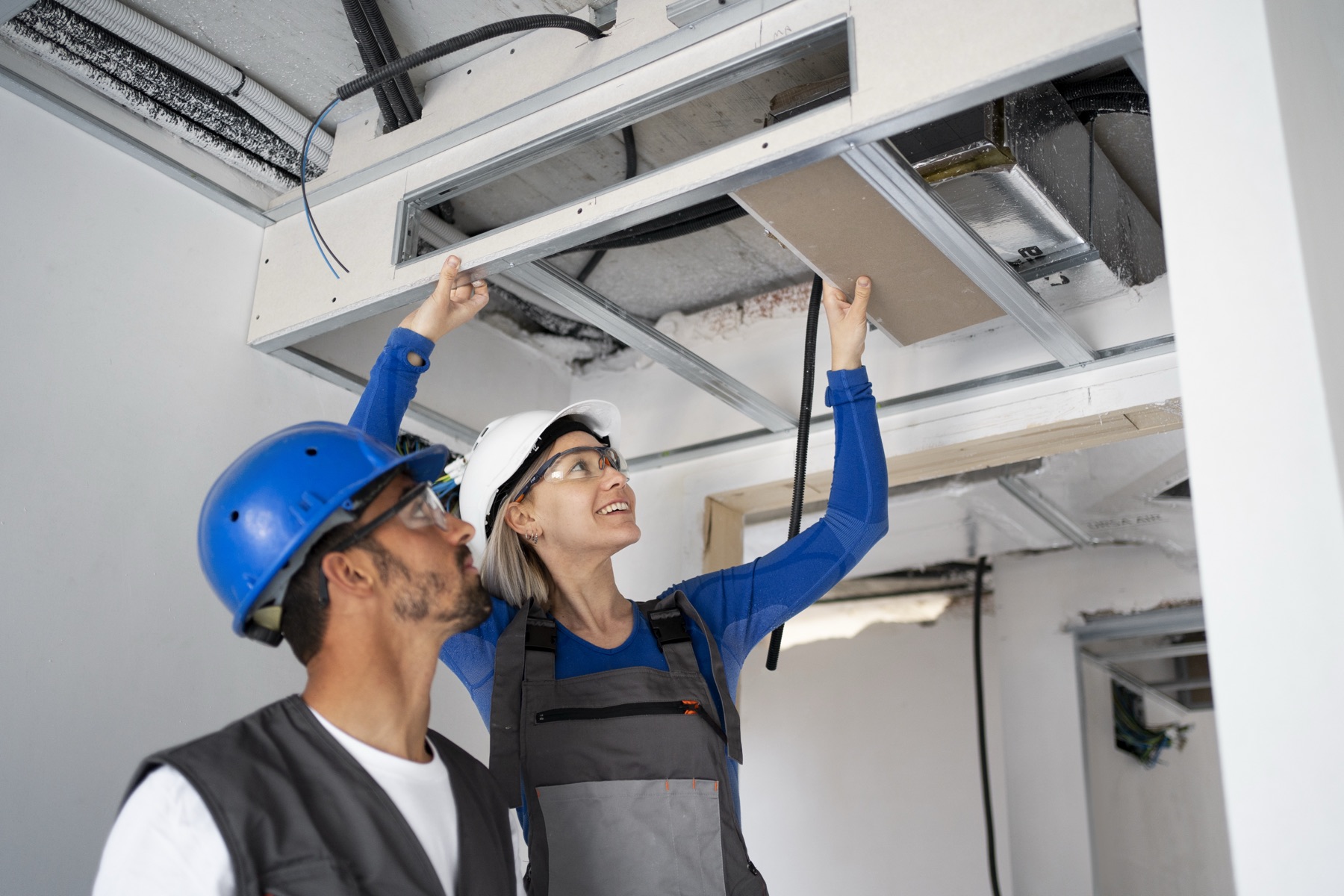
One HVAC crew from measurement to startup
The crew that measures your house installs the system, so details do not get lost between a sales visit and the job. At startup we test airflow and refrigerant charge, because a wrong charge wastes energy.
02
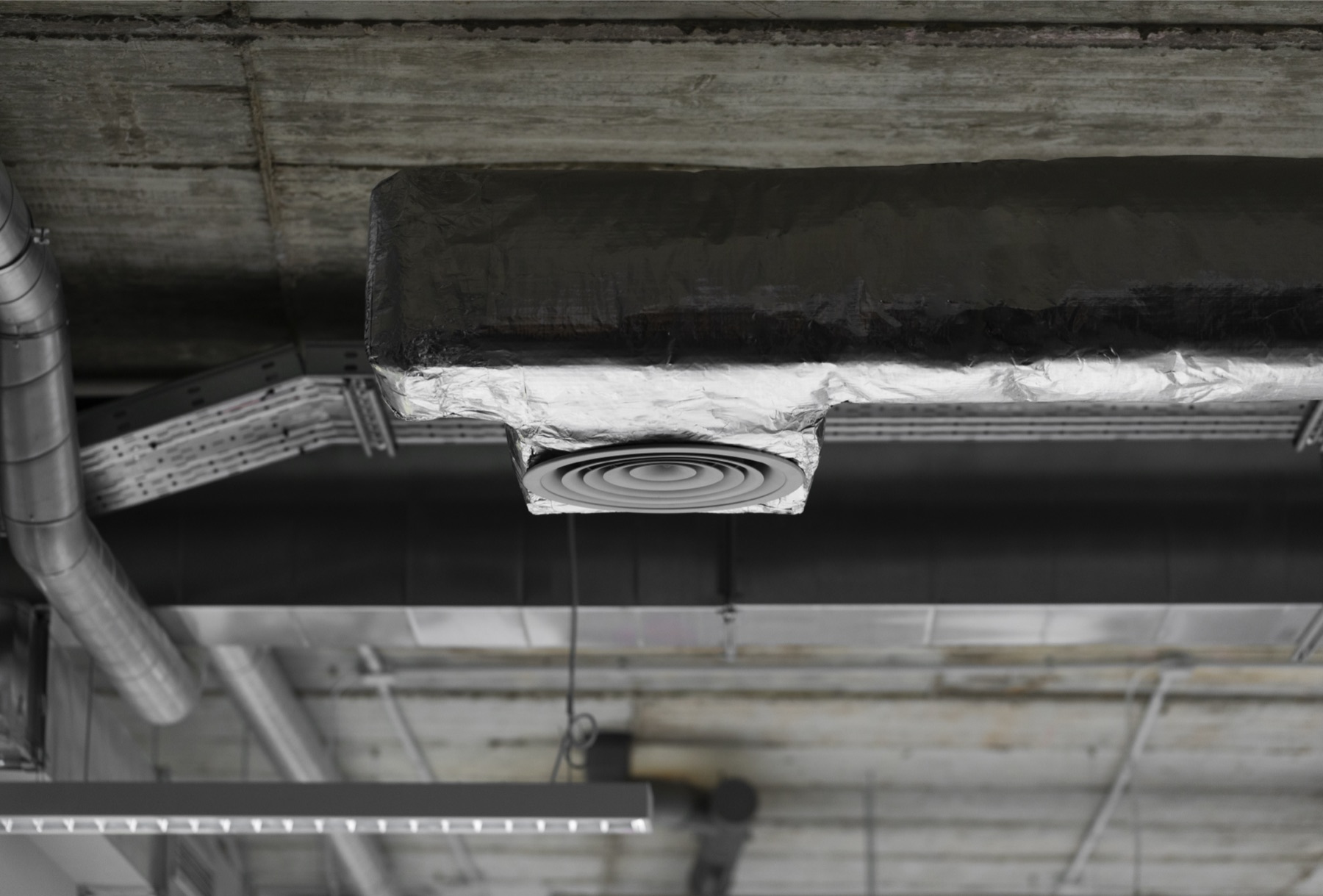
Ducts checked before equipment
A typical house loses 20 to 30 percent of its duct air to leaks, according to ENERGY STAR. A new unit cannot fix that, so we inspect and seal the ducts in the same project.
03
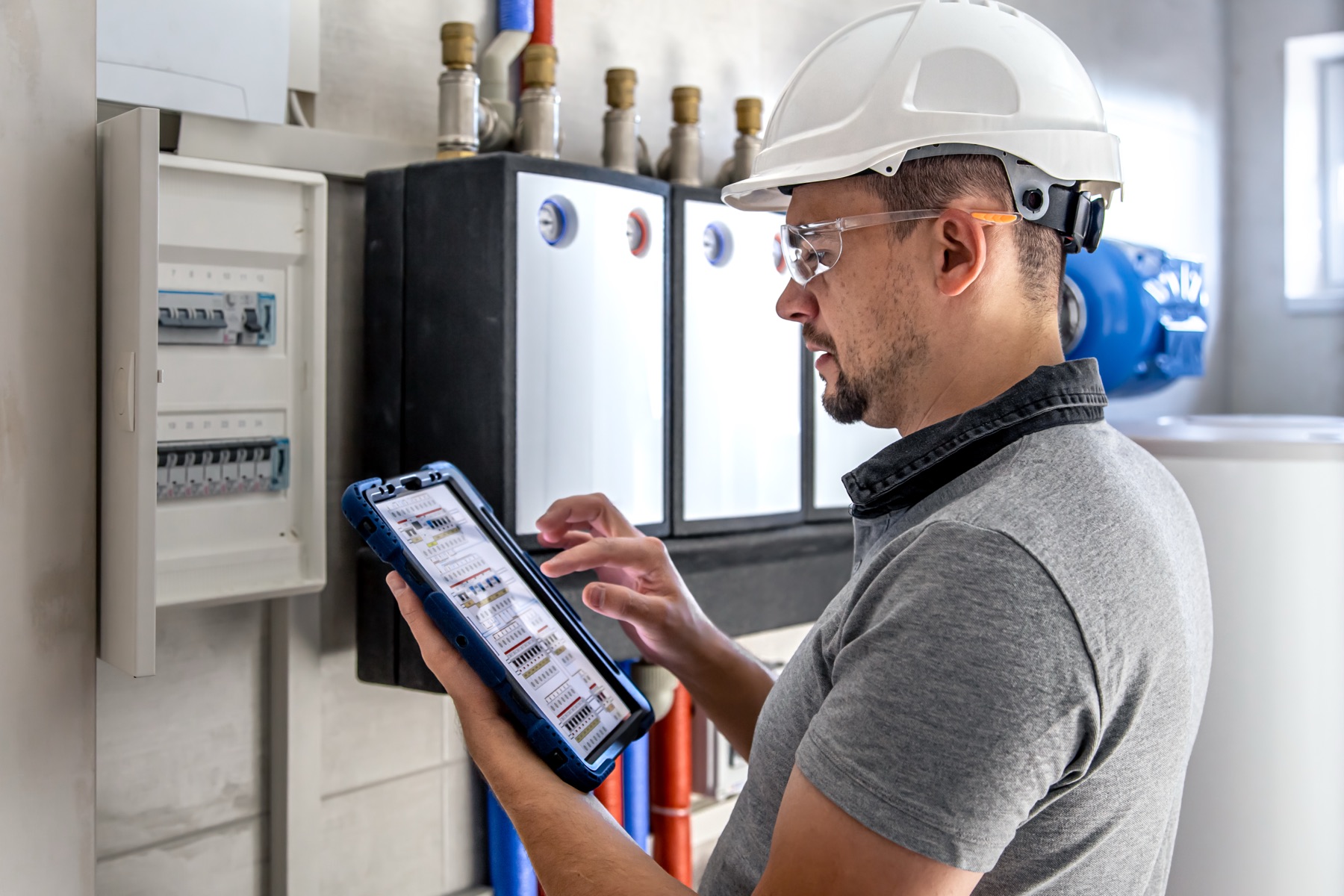
Panel and wiring checked up front
A heat pump adds an electrical load. We check your panel and breaker space before we order, so the job does not stall at the final connection. Our electrical panel service covers any upgrade.
04
Financing help with paperwork
Financing options such as PACE may be available for qualifying homeowners. PACE is repaid through your property tax assessment. Utility and state incentives may also apply to heat pumps. We explain what may apply and help with the paperwork.

Homeowner reviews
Reviews.
Homeowners who made the switch.
Five reviews from our clients, unedited: solar, financing, roofing and electrical work.
“
Exceptional service! The team at Majestic went above and beyond to install my solar panels. Couldn’t be happier with the results.
H
Homeowner
Solar installation
“
Majestic truly exceeded my expectations. Their solar financing options made it easy for me to go green without breaking the bank.
H
Homeowner
Solar financing
“
Highly recommend Majestic for their professionalism and expertise. They did an outstanding job with my roofing installation.
H
Homeowner
Roofing
“
Impressed by their attention to detail and efficiency. The electrical panel service they provided was top-notch. Will definitely use them again!
H
Homeowner
Electrical panel
“
I had my home rewired by Majestic and couldn’t be more pleased with the results. The team was courteous, knowledgeable, and efficient.
H
Homeowner
Home rewiring
“
Exceptional service! The team at Majestic went above and beyond to install my solar panels. Couldn’t be happier with the results.
H
Homeowner
Solar installation
“
Majestic truly exceeded my expectations. Their solar financing options made it easy for me to go green without breaking the bank.
H
Homeowner
Solar financing
“
Highly recommend Majestic for their professionalism and expertise. They did an outstanding job with my roofing installation.
H
Homeowner
Roofing
“
Impressed by their attention to detail and efficiency. The electrical panel service they provided was top-notch. Will definitely use them again!
H
Homeowner
Electrical panel
“
I had my home rewired by Majestic and couldn’t be more pleased with the results. The team was courteous, knowledgeable, and efficient.
H
Homeowner
Home rewiring
Free estimate. Ready to talk with an HVAC contractor?
Tell us what your system does and does not do. We come out, measure the house, and check the ducts, the panel and the equipment. Then we tell you what is worth doing and what is not.
Call
Hours
Sunday to Thursday 9am to 5pm · Friday 9am to 1pm
The fastest way to book is a call or an email. Tell us your address, what your system does and a good time to reach you.
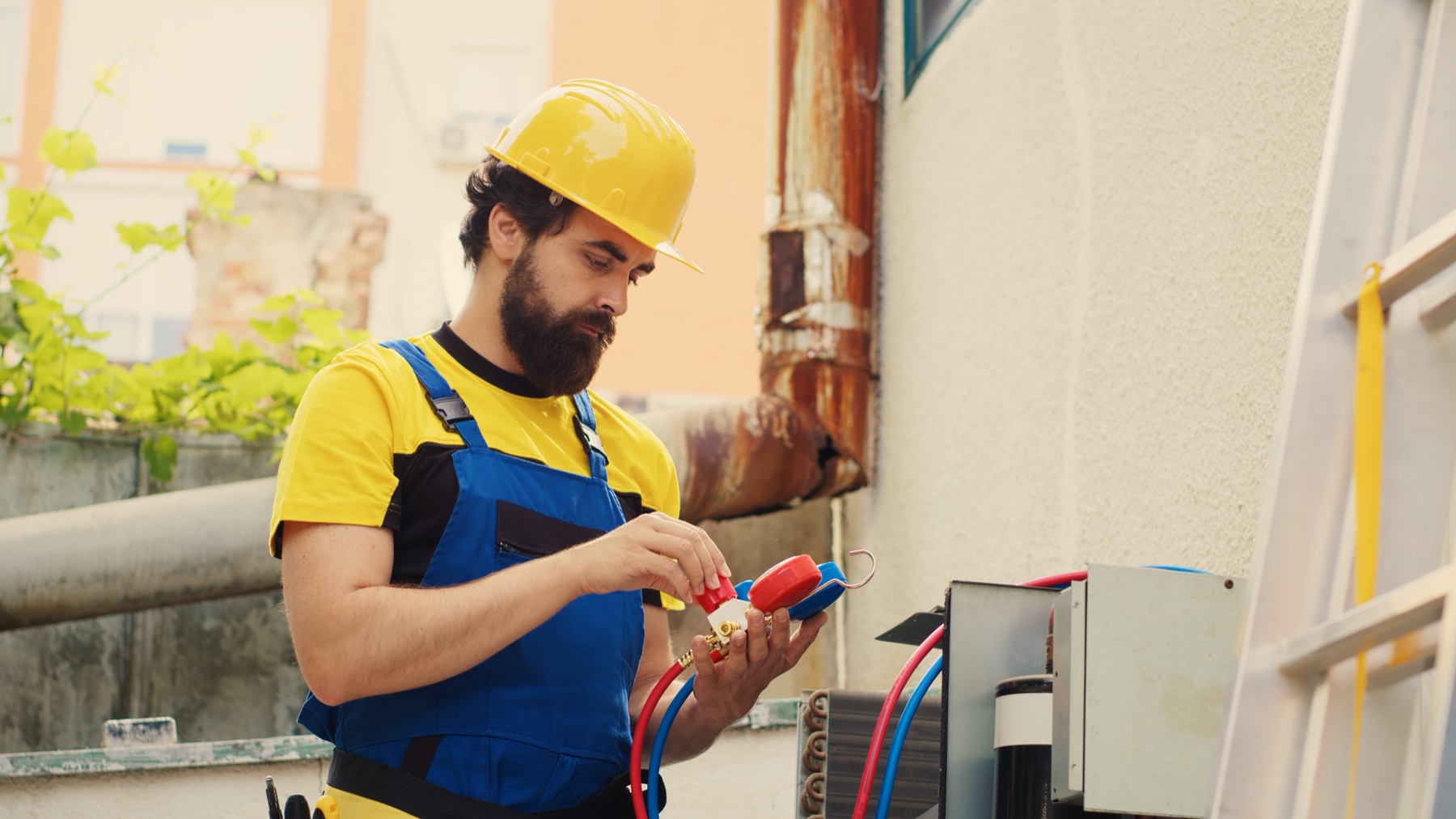
The science. How an HVAC contractor matches a heat pump to your heat loss.
A heat pump does not burn fuel to make heat. It moves heat with a refrigerant loop, so it pulls heat from outdoor air in winter and sends it back outside in summer. As a result, one machine covers both jobs. The size still has to fit your house. A unit that is too large starts and stops often, which wears parts and leaves rooms uneven. A Manual J calculation counts the heat your house loses on a design day, and Manual S and Manual D then pick the equipment and size the ducts. The ENERGY STAR guide to air source heat pumps explains the ratings. Add insulation from our energy efficiency upgrades and the load drops before we size anything.
The plan. How an HVAC contractor project runs, from measurement to startup.
The work runs in five steps, and each step ends with a check. First, we measure the house and run the load calculation. Next, we inspect the ducts, the panel and the spot where the equipment will sit. Then we send a written scope, so you can compare options. After you approve it, the crew sets the equipment, runs the refrigerant lines and seals the ducts. Last, we start the system, test airflow and charge, and walk you through the thermostat. Permits and inspections follow the local code in force. Planning solar too? Our solar panel installation crew can plan the load. Book a free HVAC estimate to start.
Questions. Answers before you hire an HVAC contractor.
What does an HVAC contractor do for a home?
An HVAC contractor designs, installs and connects the equipment that heats, cools and moves air through your house. That includes heat pumps, furnaces, air conditioners, thermostats and ductwork. The contractor first measures the house and runs a load calculation, so the equipment matches the heat your home gains and loses. After that, the crew sets the equipment, connects the electrical supply and tests airflow. Startup comes last, with a check of the refrigerant charge and the controls. Every house differs, so the written scope reaches you before work begins. You then know exactly what you approve and what each line covers.
Is a heat pump a good fit for Northern California?
In many homes, yes, because winters here are mild. A heat pump moves heat instead of making it, so it uses less electricity than electric resistance heating. ENERGY STAR describes a ducted air source heat pump as a central air conditioner that also runs in reverse. Colder foothill sites need a model rated for low outdoor temperatures, and some homes keep a furnace as backup. Before recommending one, we check your ducts, insulation and electrical panel. Options then appear side by side. When a house is a poor fit, we say so plainly and price a furnace and air conditioner pair instead.
How do I choose an HVAC contractor for a replacement?
Ask each HVAC contractor how they size the system. A good answer names a Manual J load calculation, not a rule of thumb based on square footage. Scope in writing comes next, including equipment model numbers, duct repairs and permit handling. Compare those scopes line by line, because two bids with the same price can cover very different work. Who will be on site, and who will start up the system? Those questions matter too. Finally, check the contractor’s California license on the state board website. After a free visit, we give you a written scope, so you can compare us on the same terms.
Should I repair or replace my air conditioner or furnace?
Replace it when repair bills keep returning or the unit is near the end of its working life. Age, repair history and the cost of the repair next to a new system decide it. Note how old the unit is and how often it has failed. Ask what the repair costs compared with a correctly sized replacement. Comfort counts too, because an oversized or leaky system still runs poorly after a repair. A new heat pump may also cut heating costs compared with electric resistance heat. Our crew inspects the unit and the ducts, then gives you both options in writing. Sometimes a repair is the better choice, and we say so.
Do I need a new electrical panel for a heat pump?
Sometimes. A heat pump adds a dedicated circuit, and a small panel may lack the room or capacity for it. We read the label on your panel and count the open breaker spaces. Then comes a tally of the loads in your house, including the range, the dryer and any car charger. If the total leaves little margin, a panel upgrade solves it, and our electrical panel service handles that work. Solar owners should plan the load too, so our solar panel installation crew joins the conversation. Before the quote, you learn whether the panel is a problem, so the final connection does not surprise you.
Why do ducts matter when an HVAC contractor installs a system?
Ducts decide how much of the system’s output reaches your rooms. ENERGY STAR reports that a typical house loses about 20 to 30 percent of the air in its duct system to leaks, holes and poor connections. A new unit can still leave rooms warm or cold if the old ducts stay as they are. So an HVAC contractor should inspect, seal and insulate the ducts, then size them to the new airflow. During the first visit, we check the duct runs in the attic or crawl space. Repairs get priced as a separate line, so you can see what they add to the job.
What are SEER2 and HSPF2 ratings?
SEER2 rates cooling efficiency, and HSPF2 rates heating efficiency for a heat pump. Both divide the output by the electricity used over a season, so a higher number means less electricity for the same comfort. The 2 in each name marks the newer test method, which uses higher duct pressure and gives more realistic numbers than the older labels. Compare SEER2 only with SEER2, and HSPF2 only with HSPF2. Ratings matter less than correct sizing and sealed ducts, because a high rating cannot rescue a poor install. Each option’s ratings appear in your written scope, along with which gap is worth paying for.
Can I finance work from an HVAC contractor?
Often, yes. Financing options such as PACE may be available for qualifying homeowners and projects. Repayment of PACE runs through your property tax assessment, so it is a loan and not a grant. Utility and state incentive programs may also apply to heat pumps. Those rules change, so we check the current terms with you. Eligibility depends on your property, your equity and the provider, and approval is never automatic. Rates and terms come from the provider, not from us, so compare offers before you sign. More detail lives on our solar financing page, and we go over what may apply during your free estimate.
Which areas do you serve?
We serve homeowners across Northern California from offices in Lincoln and Oakland. If your address is near those areas, call 310-994-9177 and we will tell you whether we can take the job. Each project starts with a free visit to measure the house and check the ducts, the panel and the equipment. A written scope follows, which you can compare with other bids. Climate differs between the valley, the foothills and the coast, so equipment gets sized for your address, not for a regional average. That approach keeps the system matched to how your house really behaves.